Today is World Day for Laboratory Animals

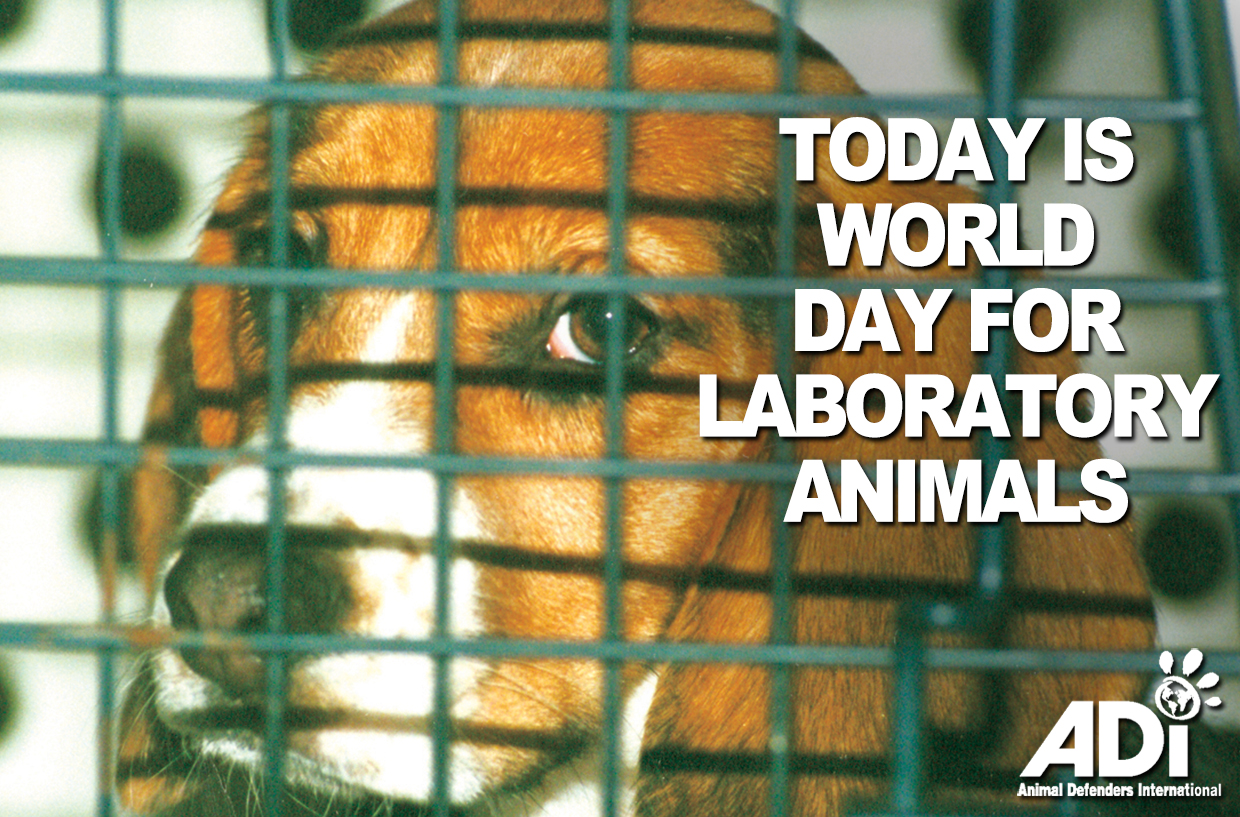
Today is World Day for Laboratory Animals (WDLA), founded over forty years ago by the National Anti-Vivisection Society/Animal Defenders International. Like other commemorative days, World Day for Laboratory Animals is a day we can bring public attention to the millions of animals that die in experiments, in secret, around the world – experiments producing results which can never be trusted. 

Over the years, we have marked WDLA in a variety of ways, from huge public demonstrations of tens of thousands marching through London, vigils at laboratories, publicity events, launching new undercover investigations from inside labs, and legislative work. This year, in the UK, we are briefing Members of Parliament on ending dog experiments, as well as pushing forward the UK government policy to replace use of animals with advanced, human-relevant methods. In the US, we are pushing members of Congress to push forward the FDA’s proposals to replace animal use with advanced, human-relevant technology and methods. ADI Colombia is staging a protest at the National Institute of Food and Drug Surveillance (INIMA).

WDLA is also a time to remember how, at the turn of the previous century, two brave women, Lind af-Hageby and Leisa Schartau, went undercover at London University to document the suffering of a small brown dog passed from one person to another during lectures for students, where dogs were cut open. The women took detailed notes and exposed the cruelty, which resulted in violence by the students who marched with the vile little chant, “Ha, ha, ha, he, he, he, Little Brown Dog, how we hate thee”, and our founder of the National Anti-Vivisection Society, Frances Power Cobbe was attacked in our office.  A statue was built to remember the little brown terrier but after being vandalised several times, the memorial was stolen and disappeared. We erected a new monument in1985.
More than a hundred years later, the suffering continues, but we have seen progress, thanks to our campaigns, funding of advanced, non-animal techniques, and the awareness created by the annual World Day for Laboratory Animals:

  • Ending cosmetics testing on animals in the UK, Europe, and other countries such as Colombia.
  • Preventing what would have been the biggest ever animal testing programme, proposed under the EU’s chemicals testing directive, REACH.
  • Ending the use of apes in experiments in the UK and EU.
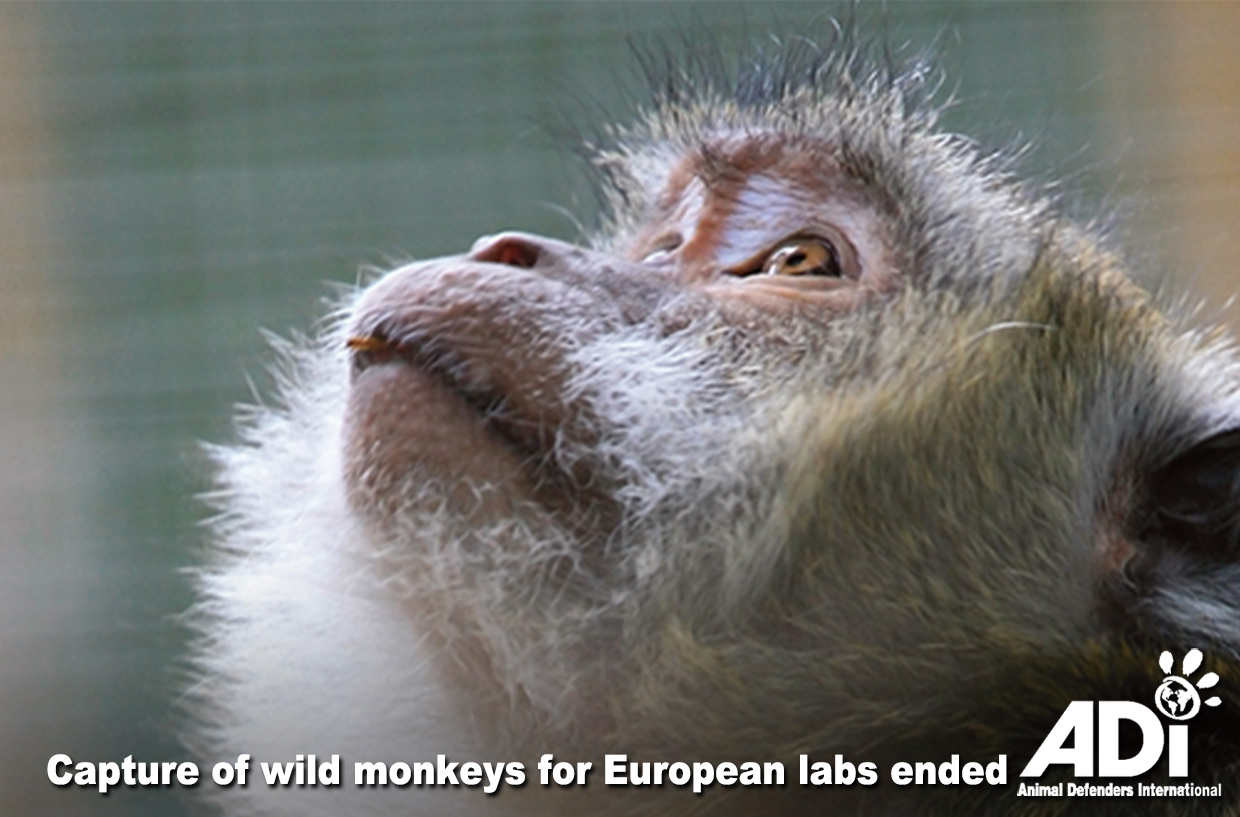
  • Ending the wild capture of monkeys for UK and EU laboratories.
  • Ending the wild capture of owl monkeys in the Amazon forest for malaria experiments in Colombia.
  • Seeing various animal protocols in labs eliminated, such as the ascites method of antibody production.
  • Ending requirements for school dissections in many countries.
  • Developing advanced, non-animal technologies and methods for research and testing, e.g., one of our research projects developed the first standard non-animal test for dental fillings.
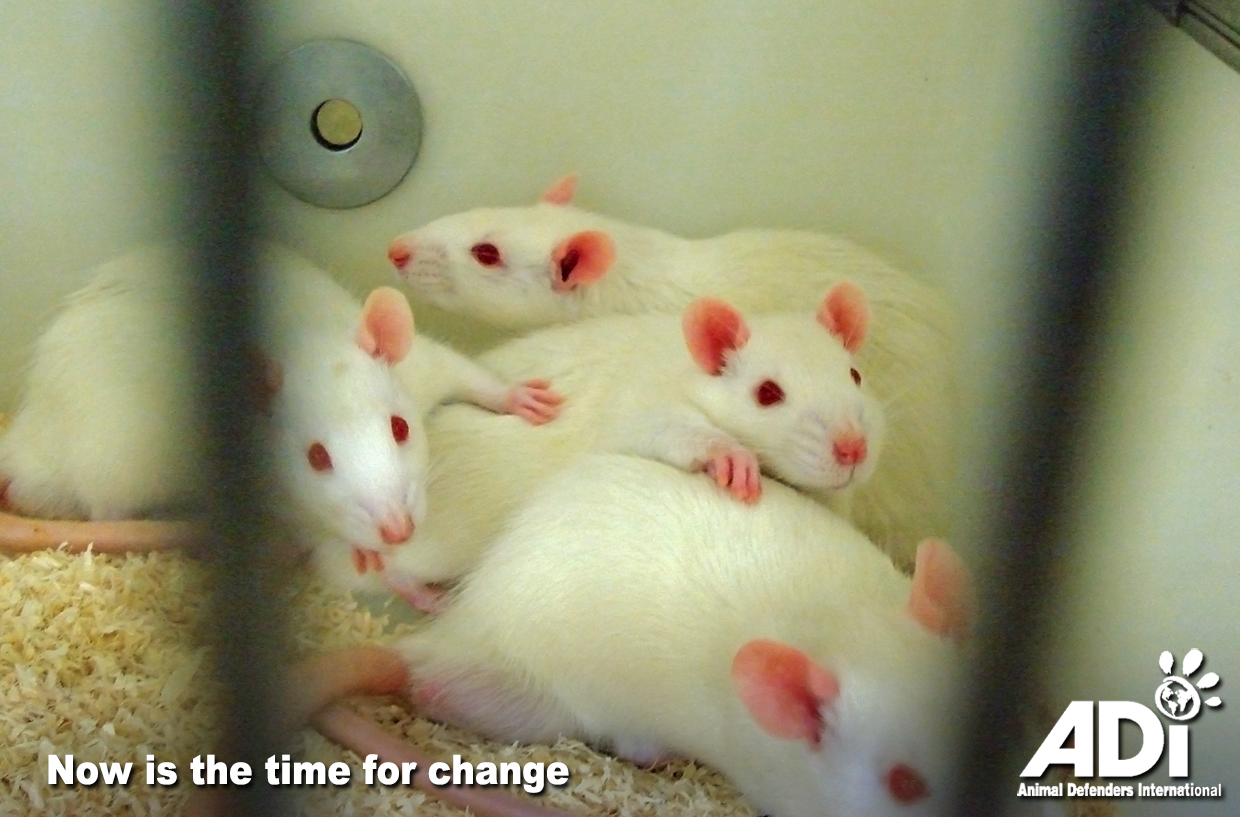
Right now, we may be standing on the brink of the biggest shift away from animal experiments the world has ever seen, but only if we seize it.  Now is the time we must dig in, press harder than ever before.

For the first time, we are seeing governments conceding that animal experiments are not only cruel, but bad science. This is the change of mindset we need. With the UK government and US Food & Drug Administration both announcing their ‘roadmaps’ to end the use of animals in laboratories, and Colombia working on a similar law to replace animal experiments, this is an important time in the campaign.
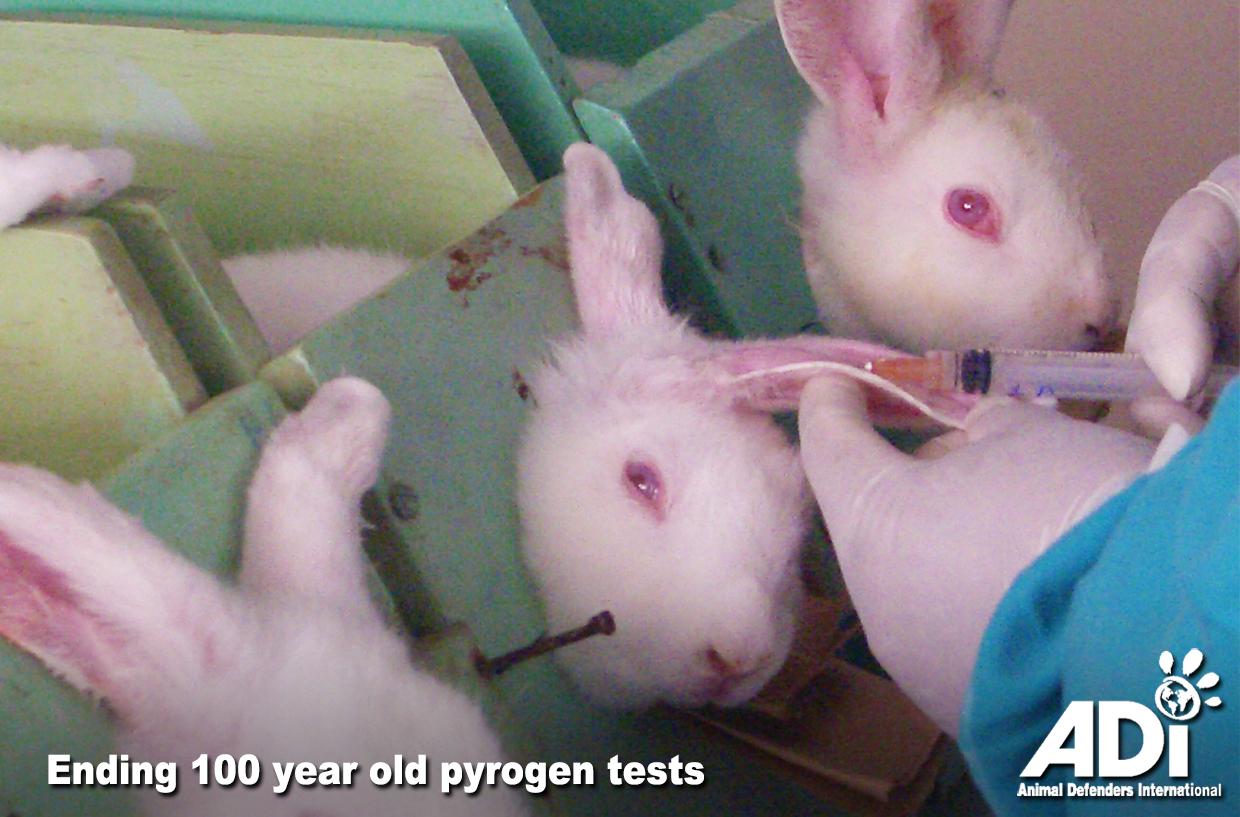
We have been assured by the UK Home Office that the 100+ year-old pyrogen test on rabbits is on track to be banned – a test we have exposed in the past, where rabbits are immobilized in stocks, injected with a test substance, and their temperature monitored. And the horrific forced swim test on rats is set to follow – if we keep pushing and work for it.

Critical to this progress is the increasing acceptance across science, regulators, and governments, that animal experiments are unreliable, unethical, and unnecessary.
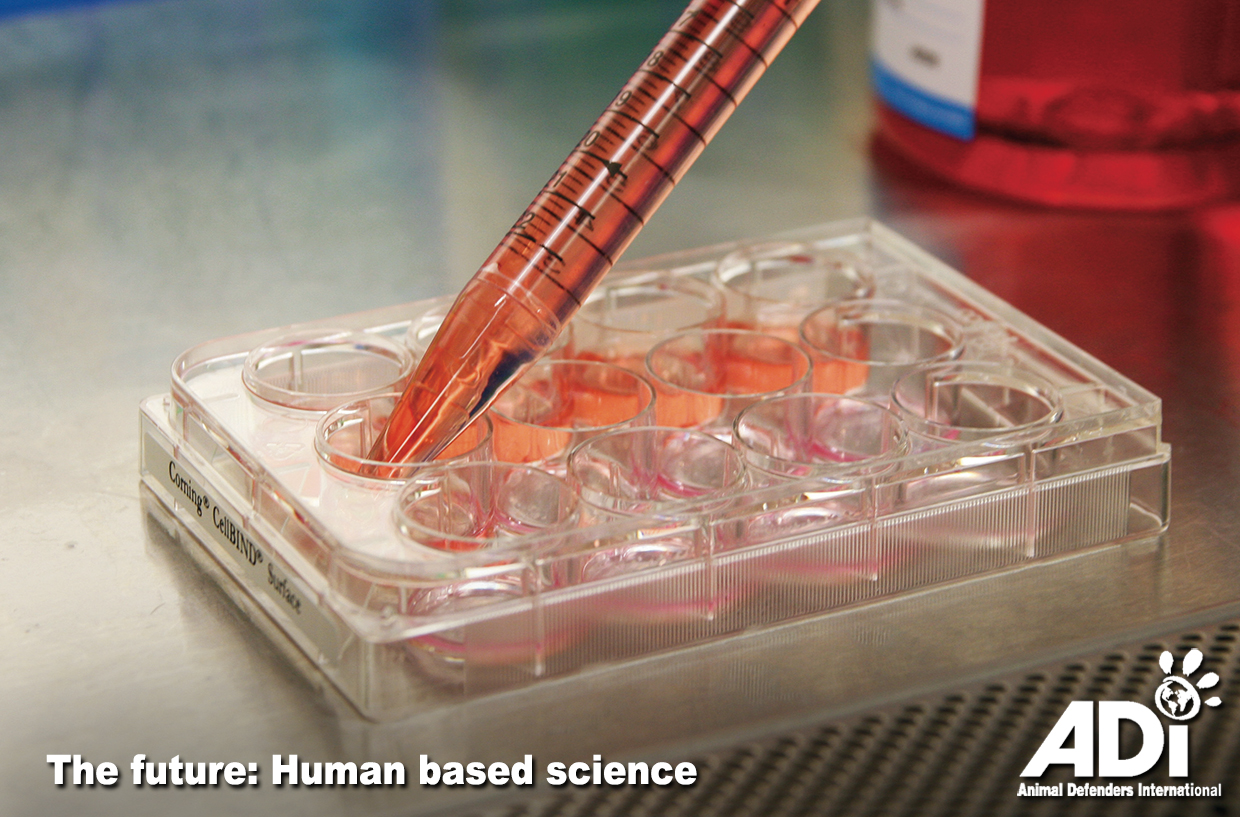
Advanced computer models, organ-on-a-chip technology, and lab-grown human tissues and other techniques are not only humane, but they are also more accurate, offering insights directly relevant to human biology.

This has been a long hard road, but animals need your help more on this World Day for Laboratory Animals than ever before. Today we do not pause, we press ahead.
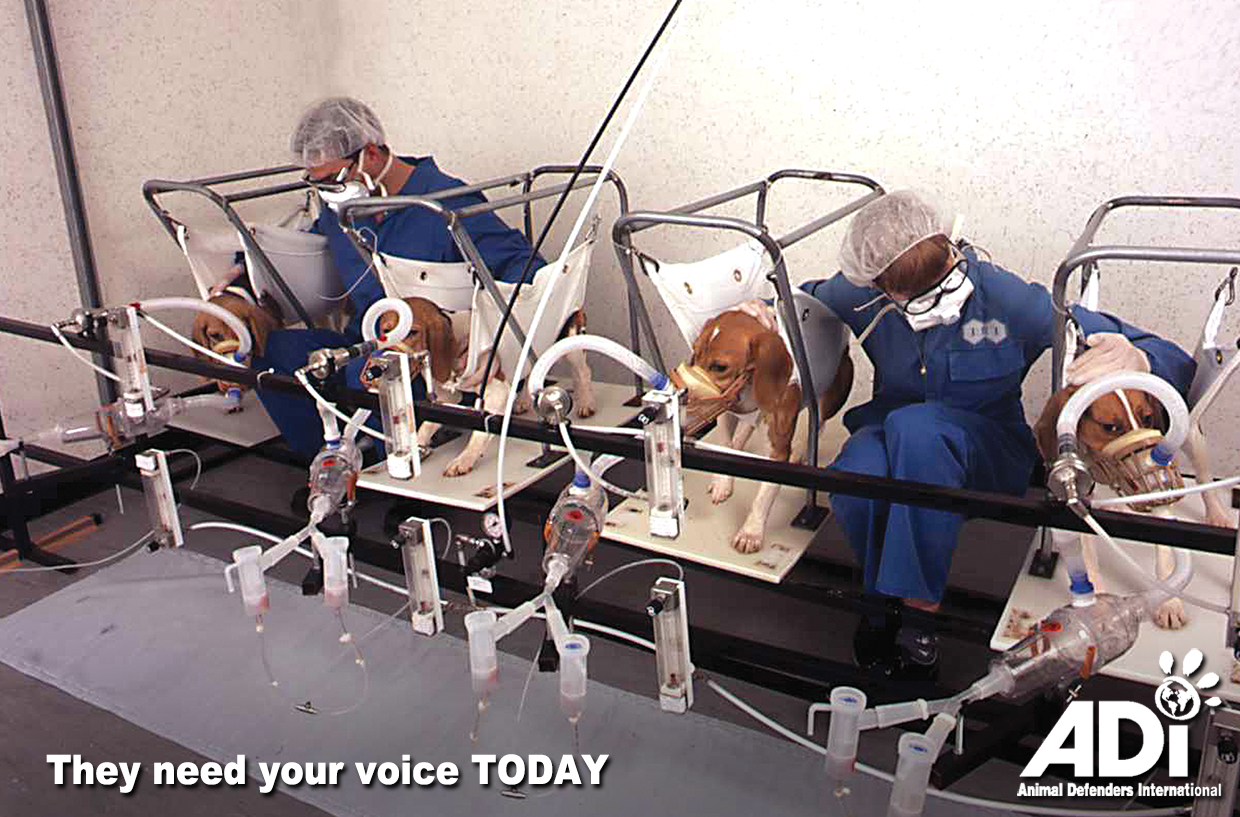
Send a message today to your Member of Parliament / Members of Congress urging them to accelerate progress on the ‘roadmap’ promises to end animal experiments.

Do not ever stop. Never be disheartened, never, ever, give up until we win.

A month fighting for animals: animal experiments, battling for bulls, celebrating circus freedom and more

The last few weeks have been as hectic as ever. Sadly the fight against animal cruelty never stops. Here’s just some of the work we’ve been involved in recently.

Our 1998 breakthrough UK cosmetics testing ban and subsequent EU ban were jeopardized in recent years by demands for tests on cosmetics ingredients under EU chemicals (REACH) regulations.

The good news is that that the UK Government have responded to the campaign saying “that no new licenses will be issued for animal testing of chemicals used exclusively as cosmetics ingredients”. An important step, but the urgency of implementing non-animal testing methods in more regulation and creating consistency is vital.

Thousands of thrill seekers poured into the Spanish city of Pamplona for the annual San Fermín festival, an event based on the ritualized abuse and slaughter of innocent animals. Every day, bulls are forced to run through baying crowds before being tortured to death in a bullring.

We wrote to Cristina Ibarrola, Mayor of Pamplona, urging her to ban this horrific event, and asked our supporters to do the same. Please email pamplona@pamplona.es, marking your email for the attention of Mayor Cristina Ibarrola and letting her know that gratuitous violence towards innocent animals has no place in a civilized society.

Max, one of the tigers ADI rescued from a circus in Guatemala, has been reunited with brother Stripes after a brief hospital stay.

The ADIWS team were given a real scare as the young, 350lb tiger developed breathing difficulties. ADI supporters watched on Facebook as Max was darted, examined, and taken to the hospital for x-rays, ultrasound, and other tests.

We are relieved to say it does not appear to be heart problem or cancer, but he may have feline allergic bronchitis or asthma. Stripes was thrilled to see Max on his return, greeting him with a delightful series of chuffs. Watch the veterinary team in action in our Facebook Live.

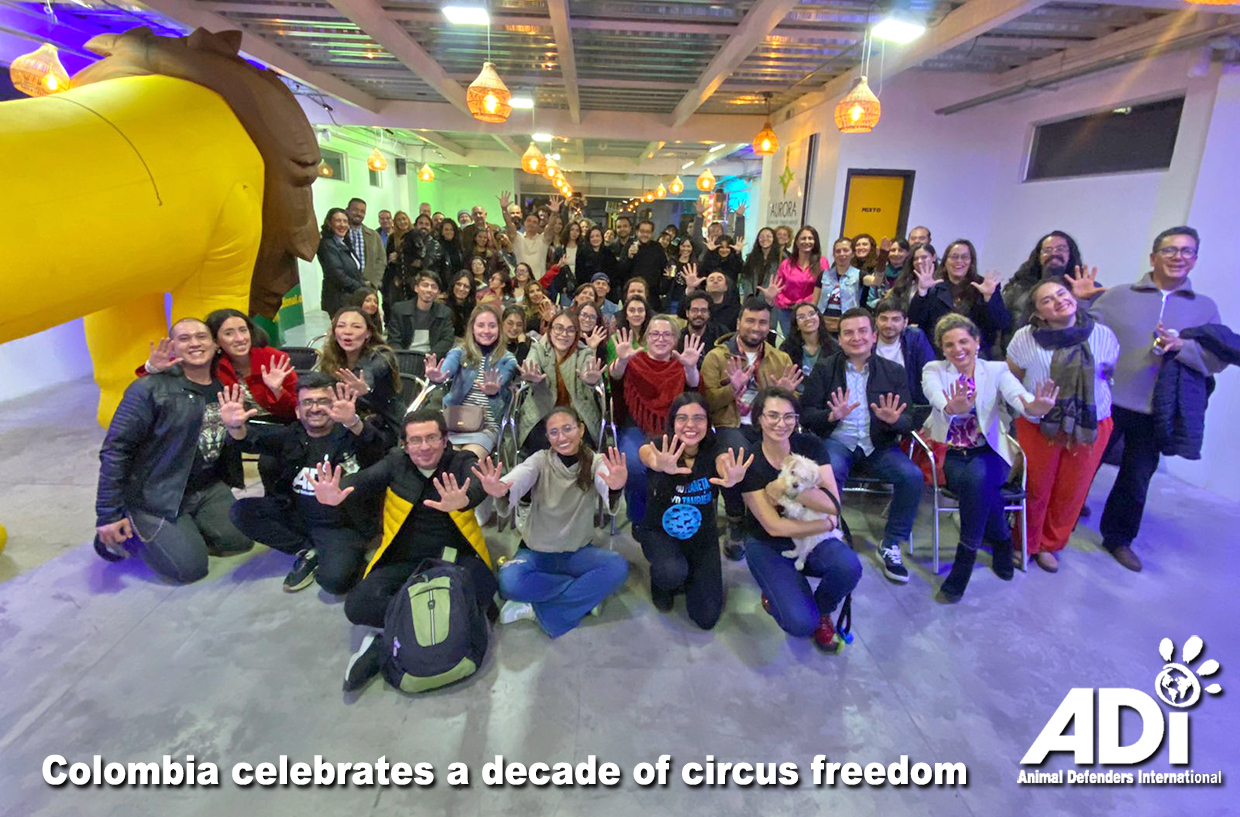
The ADI Colombia team marked the tenth anniversary of the country’s wild animal circus ban with a meeting packed with campaigners to hear talks and see films.

Back in 2013, ADI’s investigation into the South American circus industry horrified the public and forced government action. The landmark ban in Colombia opened the door to further animal welfare laws there, including the banning of cosmetics testing on animals and the ending of trophy hunting.

Through ADI’s Operation Spirit of Freedom, we brought 33 of the lions rescued from circuses in Peru and Colombia back to Africa. We are sure that two survivors from that mission, Easy and Bumba, from a circus in Colombia and now at the ADI Wildlife Sanctuary were celebrating too.

In the US there are currently state-wide bills to end circus suffering in Illinois, New York, Pennsylvania, and Massachusetts, where three bills were just heard in committee this week. ADI testified in support of MA bills H3245 / S2189 / S2197, to ban the use of elephants, big cats, primates, giraffes, and bears in traveling exhibits and shows.

Local and state bans have significant impacts, but a nationwide circus ban is essential to eliminate the suffering. See how you can help.

Latest government statistics show 2.76 million scientific procedures were performed on animals in UK labs in 2022 – a drop of almost 10% and the lowest since 2002 but highlighting the failure of a sector of the research community and regulators to embrace novel alternative methods (NAMs) to replace animals.

Almost half of the procedures, 1.25 million, entailed the creation of genetically modified animals – mainly mice (86%). 1,820 monkeys were used in experiments, a third of which were f1 (born of wild caught females) demonstrating the failure to phase out the use of such animals, allowing the monkey factory farms to continue re-stocking from the wild.

Over 4,000 experiments were performed on dogs and, as with monkeys, were mainly for tests demanded by regulators such as toxicity testing.

The number of “severe” procedures – representing the highest level of suffering, increased to almost 100,000. The suffering of these animals must have been unbearable.

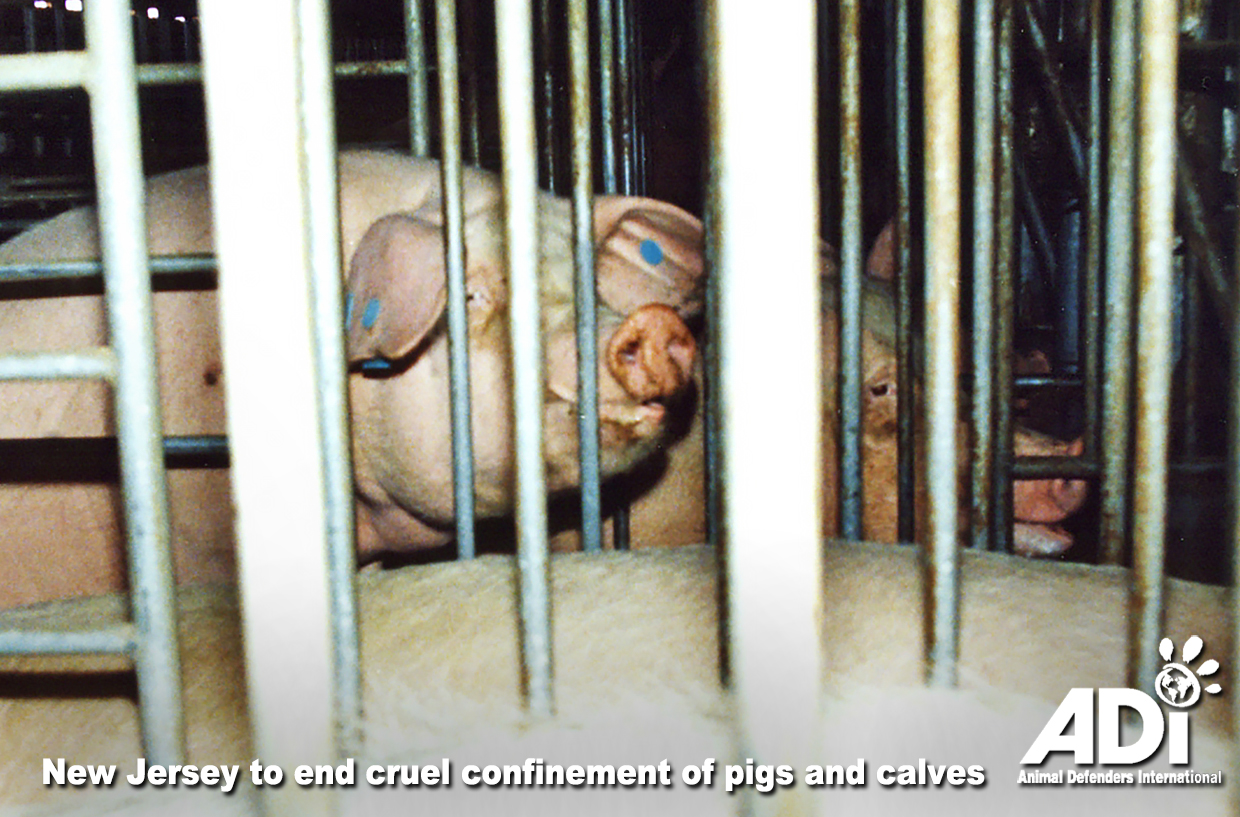
New Jersey has just passed a bill to ban the extreme confinement of mother pigs and calves raised for veal. The ban, which will take place with immediate effect, means pigs and calves must now be able to move freely and turn around.

It’s hard to believe the meat industry had to be legally forced not to confine sentient beings in cages so small they can only stand or lie down, but at least this is an infinitesimal step in the right direction.

There were cheers in the ADI offices when the UK’s Animals (Low Welfare Activities Abroad) Bill passed its second reading in the House of Lords and moved on to committee stage. The bill will prevent the promotion and sale in the UK of cruel activities overseas, such as elephant rides to tourists.

Good news and bad news in the horse racing industry. The good news: the Singapore government announced the end of horse racing in the city-state after 180 years. The bad news: two horses died within 24 hours at New York’s Belmont Stakes after suffering “catastrophic” injuries. Over 200 horses have died on US racetracks so far this year; while in the UK the death toll currently stands at 106.

Urge your local and federal legislators to support legislation to protect racehorses.

Head into the weekend with a smile – check out our big cats playing with – well, destroying! – some cardboard boxes. Watch the video now.

We need your support

As you can see from this e-alert, with your support ADI is making a huge difference for the animals. We work around the clock, 365 days a year, to rescue and rehabilitate, to lobby and educate. We can only continue to do this with your help.

Our work depends on caring people like you. If you love animals as much as we do, and you believe in what we do, please support us.

No amount is too small to make a difference – please donate now.