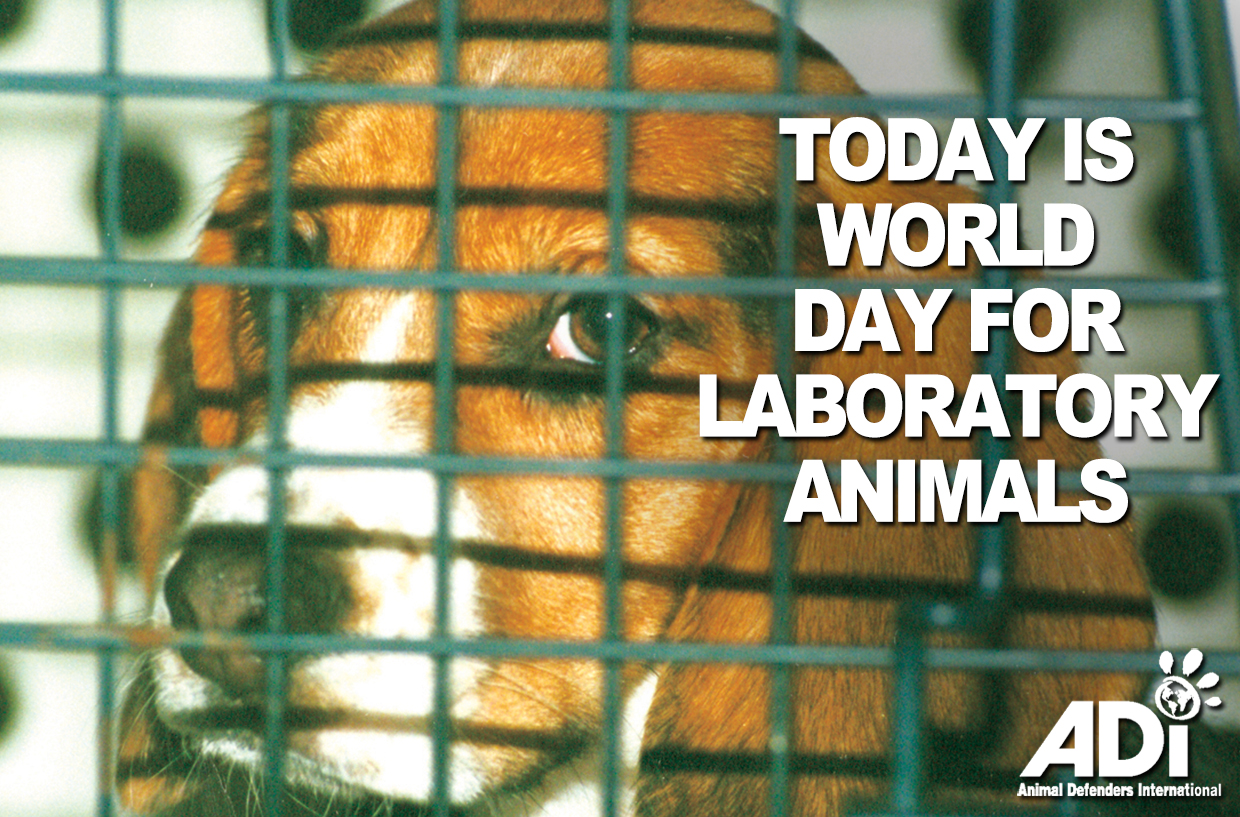
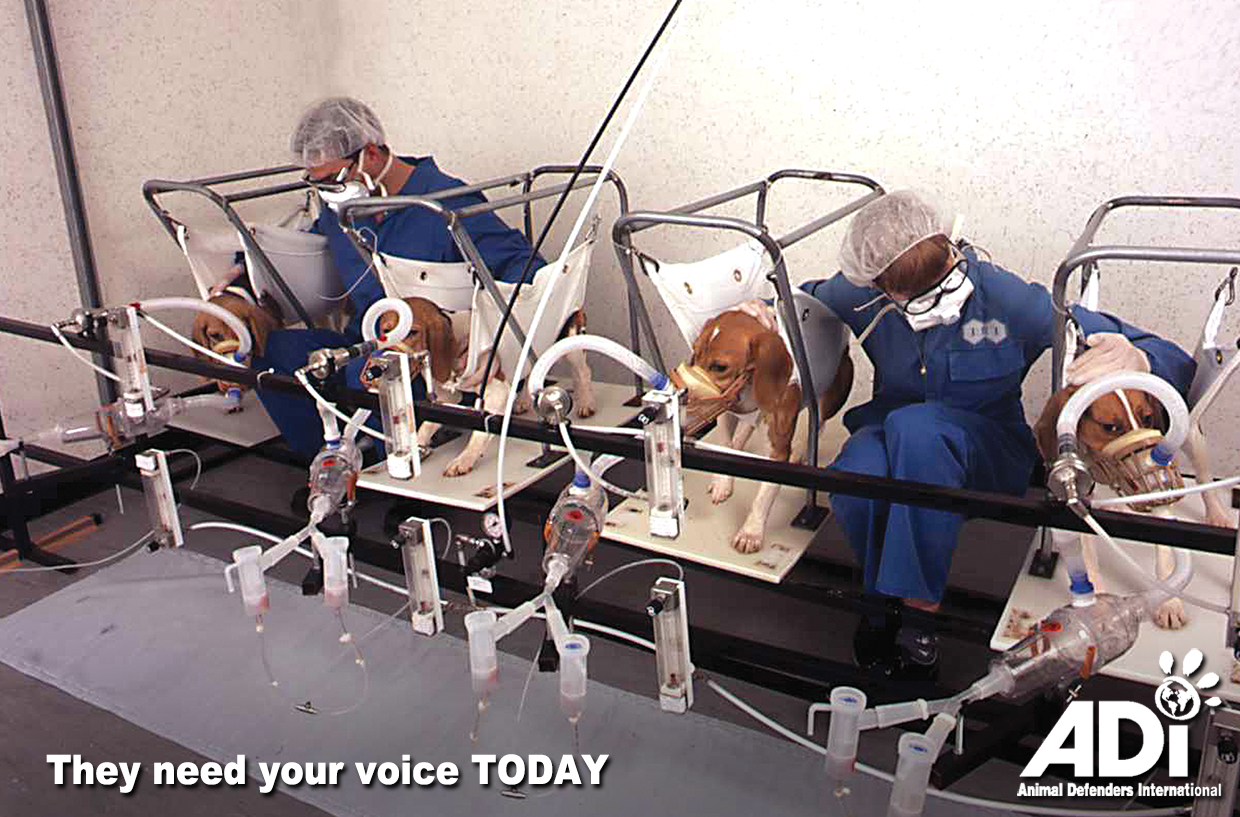
Today is World Day for Laboratory Animals (WDLA), founded over forty years ago by the National Anti-Vivisection Society/Animal Defenders International. Like other commemorative days, World Day for Laboratory Animals is a day we can bring public attention to the millions of animals that die in experiments, in secret, around the world – experiments producing results which can never be trusted.
Over the years, we have marked WDLA in a variety of ways, from huge public demonstrations of tens of thousands marching through London, vigils at laboratories, publicity events, launching new undercover investigations from inside labs, and legislative work. This year, in the UK, we are briefing Members of Parliament on ending dog experiments, as well as pushing forward the UK government policy to replace use of animals with advanced, human-relevant methods. In the US, we are pushing members of Congress to push forward the FDA’s proposals to replace animal use with advanced, human-relevant technology and methods. ADI Colombia is staging a protest at the National Institute of Food and Drug Surveillance (INIMA).
WDLA is also a time to remember how, at the turn of the previous century, two brave women, Lind af-Hageby and Leisa Schartau, went undercover at London University to document the suffering of a small brown dog passed from one person to another during lectures for students, where dogs were cut open. The women took detailed notes and exposed the cruelty, which resulted in violence by the students who marched with the vile little chant, “Ha, ha, ha, he, he, he, Little Brown Dog, how we hate thee”, and our founder of the National Anti-Vivisection Society, Frances Power Cobbe was attacked in our office. A statue was built to remember the little brown terrier but after being vandalised several times, the memorial was stolen and disappeared. We erected a new monument in1985.
More than a hundred years later, the suffering continues, but we have seen progress, thanks to our campaigns, funding of advanced, non-animal techniques, and the awareness created by the annual World Day for Laboratory Animals:
Ending cosmetics testing on animals in the UK, Europe, and other countries such as Colombia.
Preventing what would have been the biggest ever animal testing programme, proposed under the EU’s chemicals testing directive, REACH.
Ending the use of apes in experiments in the UK and EU.
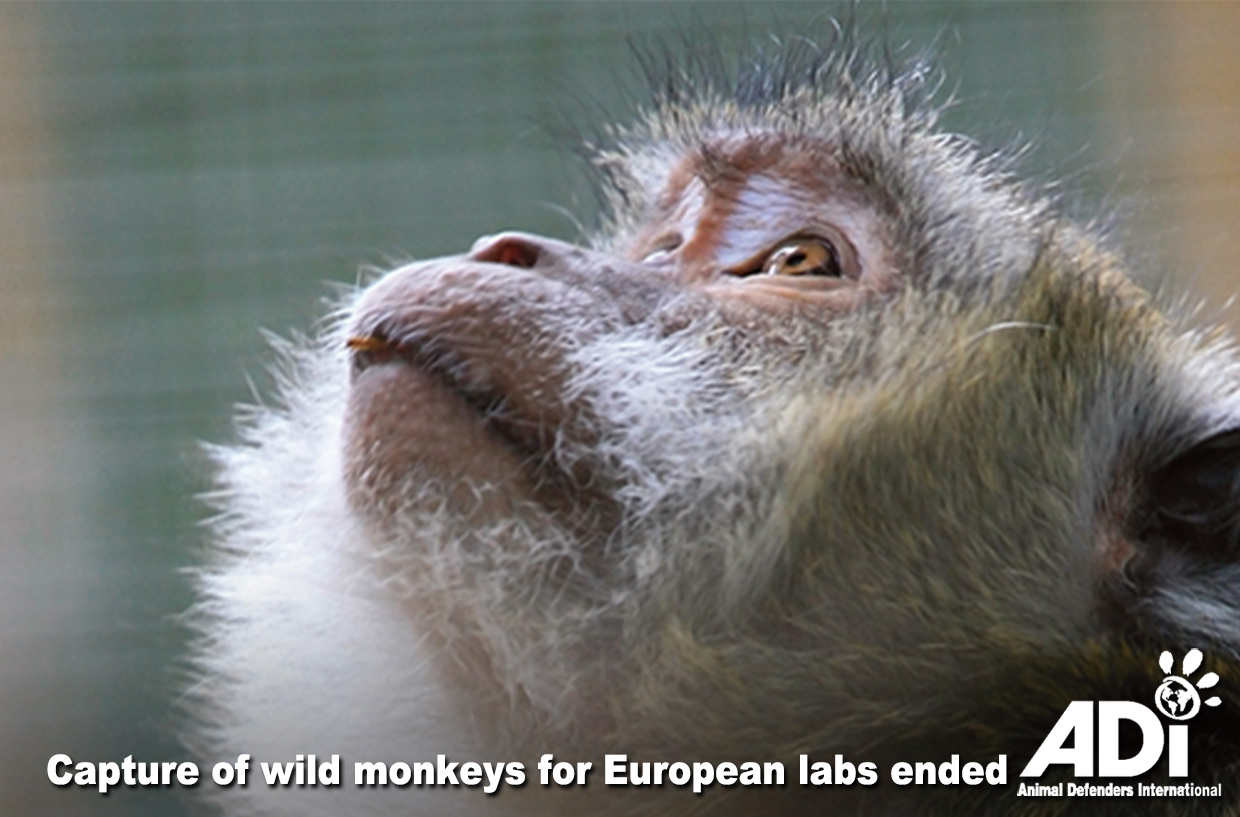
Ending the wild capture of monkeys for UK and EU laboratories.
Ending the wild capture of owl monkeys in the Amazon forest for malaria experiments in Colombia.
Seeing various animal protocols in labs eliminated, such as the ascites method of antibody production.
Ending requirements for school dissections in many countries.
Developing advanced, non-animal technologies and methods for research and testing, e.g., one of our research projects developed the first standard non-animal test for dental fillings.
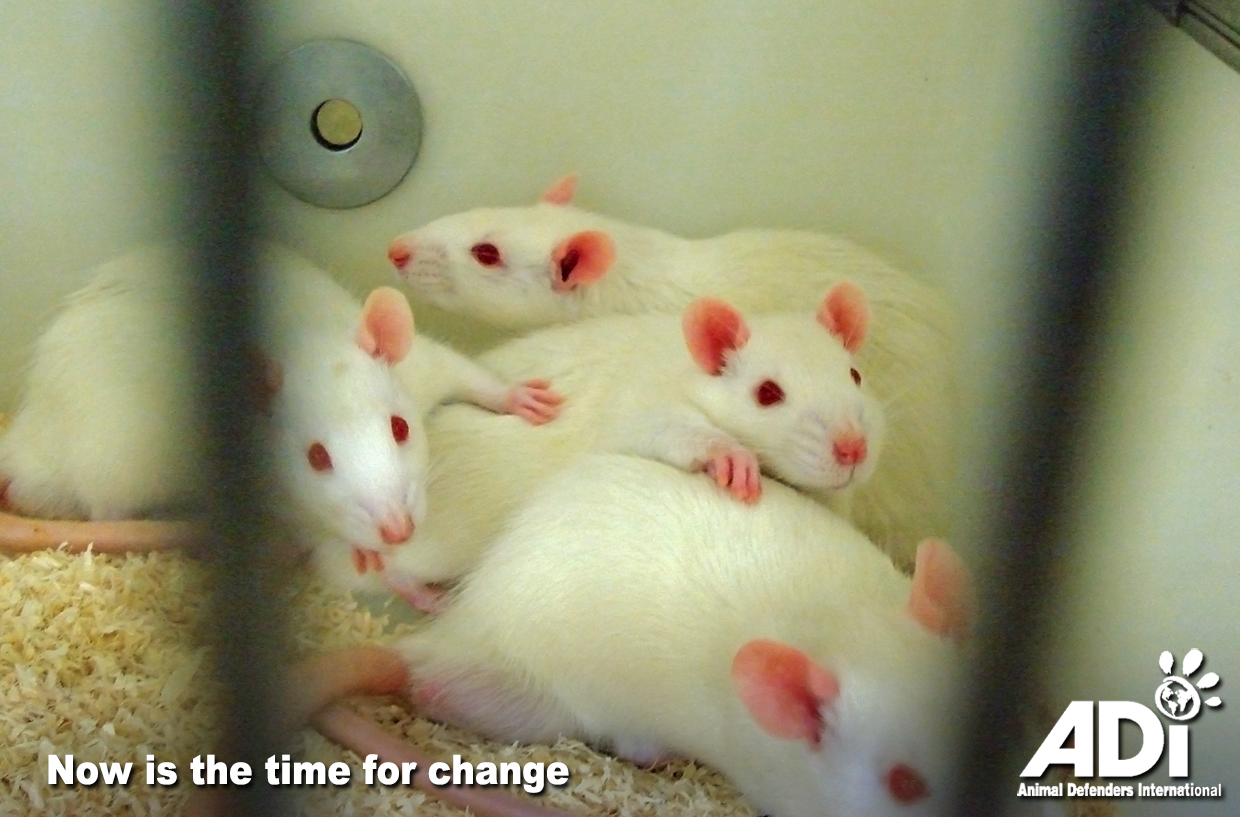
Right now, we may be standing on the brink of the biggest shift away from animal experiments the world has ever seen, but only if we seize it. Now is the time we must dig in, press harder than ever before.
For the first time, we are seeing governments conceding that animal experiments are not only cruel, but bad science. This is the change of mindset we need. With the UK government and US Food & Drug Administration both announcing their ‘roadmaps’ to end the use of animals in laboratories, and Colombia working on a similar law to replace animal experiments, this is an important time in the campaign.
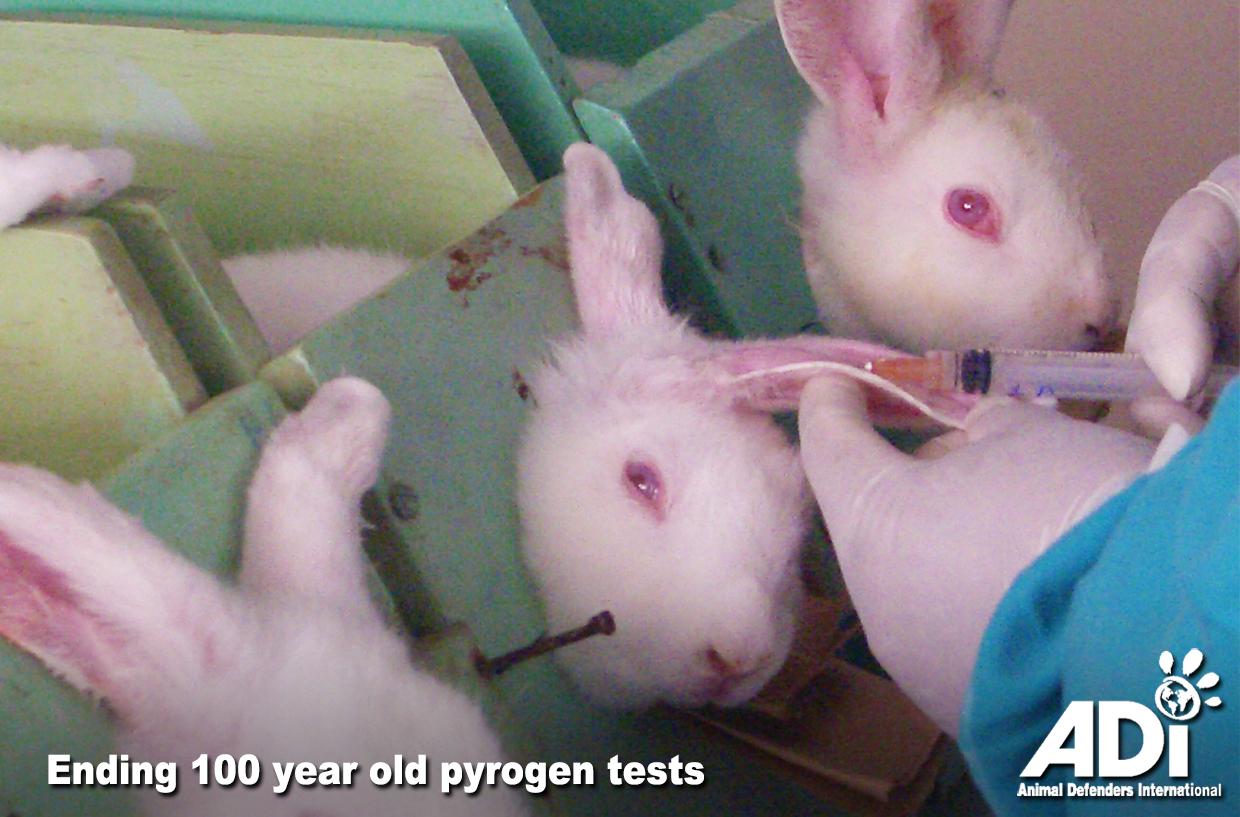
We have been assured by the UK Home Office that the 100+ year-old pyrogen test on rabbits is on track to be banned – a test we have exposed in the past, where rabbits are immobilized in stocks, injected with a test substance, and their temperature monitored. And the horrific forced swim test on rats is set to follow – if we keep pushing and work for it.
Critical to this progress is the increasing acceptance across science, regulators, and governments, that animal experiments are unreliable, unethical, and unnecessary.
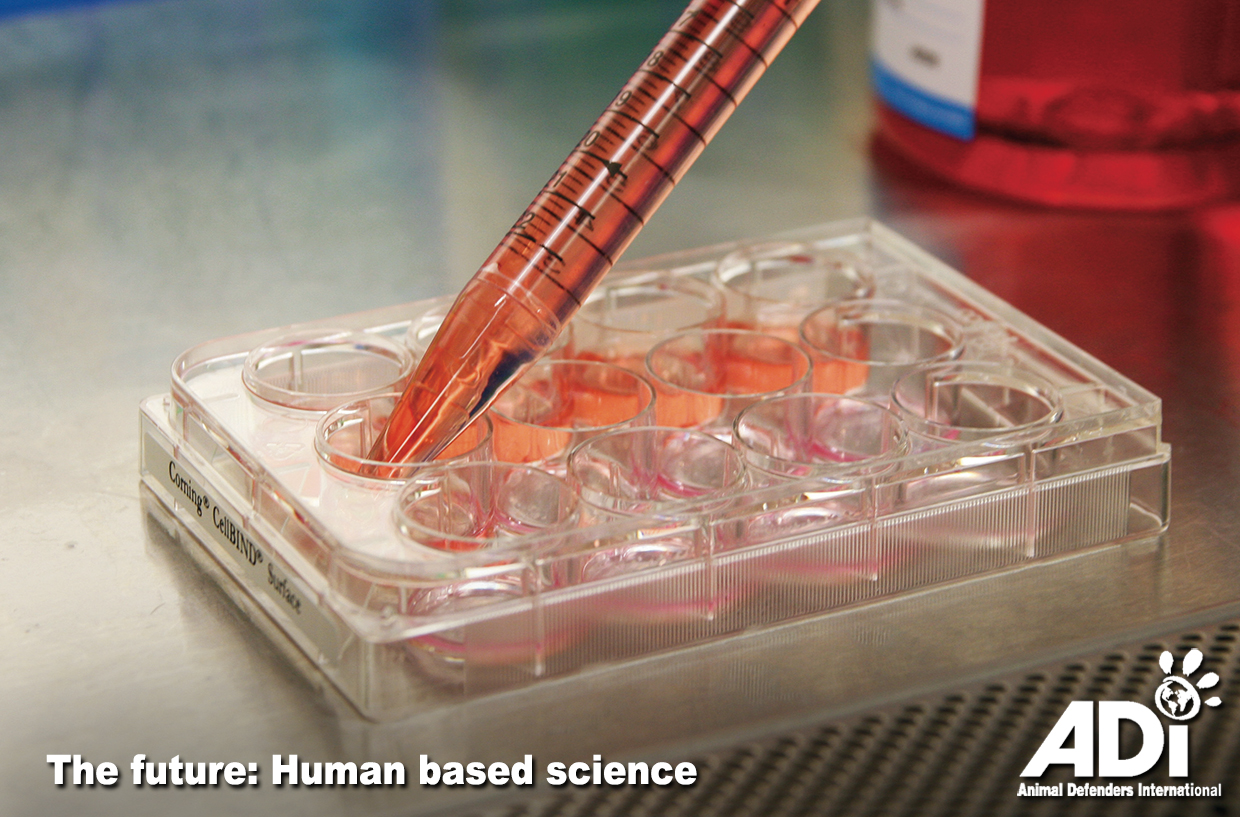
Advanced computer models, organ-on-a-chip technology, and lab-grown human tissues and other techniques are not only humane, but they are also more accurate, offering insights directly relevant to human biology.
This has been a long hard road, but animals need your help more on this World Day for Laboratory Animals than ever before. Today we do not pause, we press ahead.
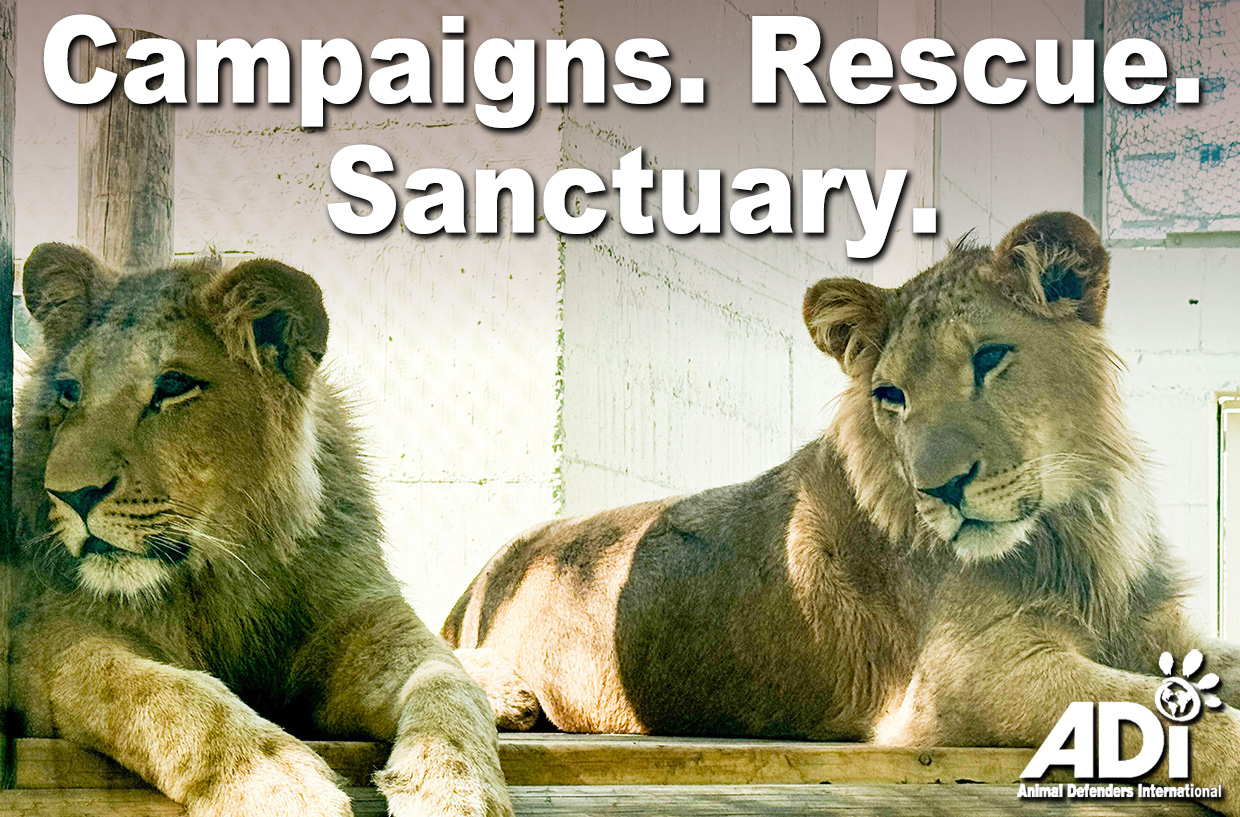
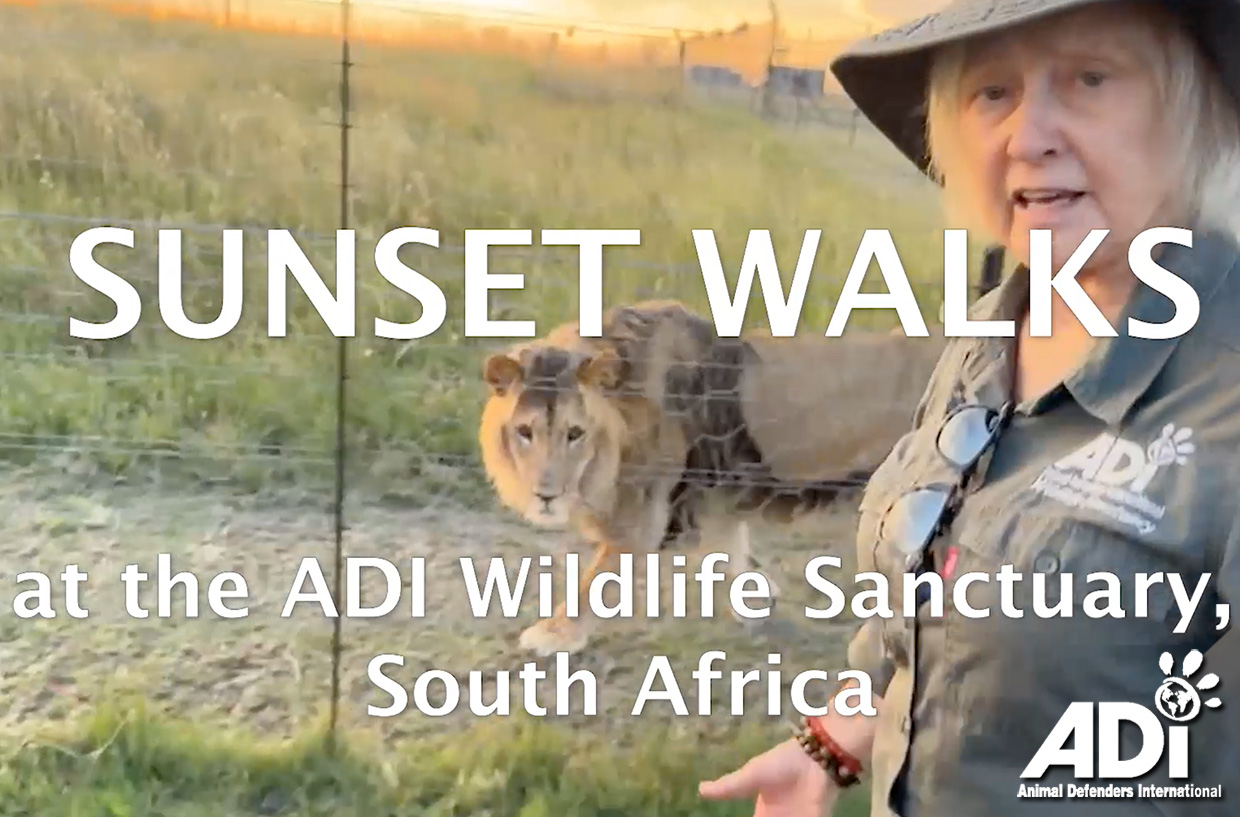
It’s important to remind everyone that we remain on stand-by to move lions Ori and BenTzur from Israel, as soon as flights become available. Despite the ceasefire announced this week, uncertainty remains in the region and public airspace has not yet been reopened. The good news is that the boys are safe, and their travel crates have been delivered ready for their move to their forever home.
Our 2.5-acre quarantine unit is still occupied for an indefinite period by lionesses Lei-ah and Elsa while their fire-damaged sanctuary recovers, so we are creating a new 2.5-acre lion habitat with two new lion houses, for BenTzur and Ori’s forever home. We are spending around $30,000 on construction of the new habitat and house, and once cargo flights resume, we are expecting there will be high demand and dramatic cost rises. So, we have increased our budget for their rescue and lifetime care to $100,000.
I am so very grateful for everyone’s support – the impact on oil costs is already seeing flight costs rising, and we’ve had several increases in fuel prices in South Africa, so we are now storing extra supplies. Thankfully, ADIWS is solar powered, but we still need fuel for the hybrid vehicles and farm machinery. Your support is more important than ever.
Like the rest of the world, we are all hoping for peace and will try and move Ben-Tzur and Ori at the very first opportunity. If you can help us fund this unexpected rescue at this worrying time, please donate here LINK
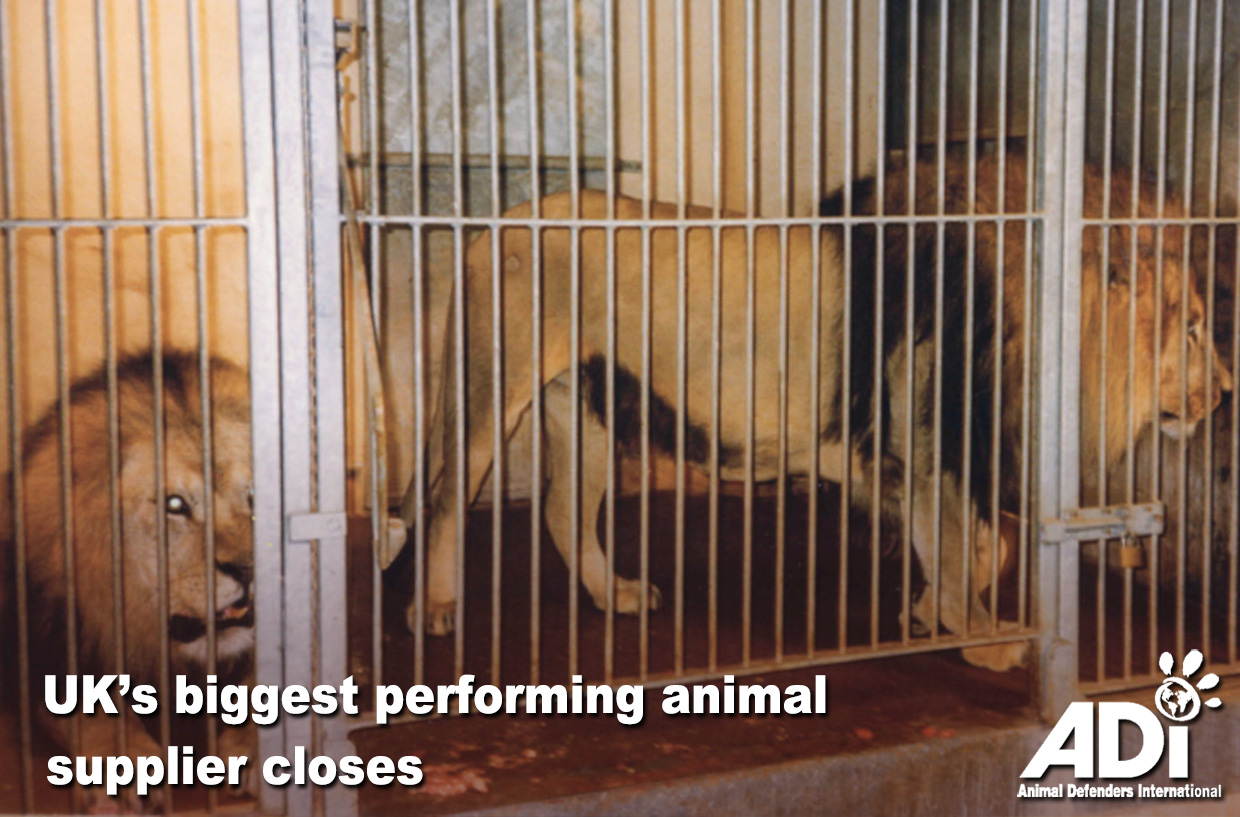
GREAT NEWS! Heythrop Zoological Gardens in Oxfordshire, trading as Amazing Animals, suppliers of animals for films and TV, has finally closed. Amazing Animals provided animals for films like Harry Potter and Fierce Creatures, for pop videos, and countless adverts. ADI investigations revealed: lions beaten during training sessions; a screaming mandrill pinned down, its prolapsed rectum brutally pushed into place (commonly believed to be the result of training for hind leg walking); lions, tigers, and bears living in tiny barren cages, like laboratory-type conditions; providing the Bobby Roberts’ Super Circus elephant, Anne, for adverts (Roberts was subsequently convicted of cruelty to Anne, based on ADI video evidence).
This closure represents another milestone in the campaign to end the use of performing animals, an entertainment industry exposed and responding to public disapproval, now increasingly turning its back on cruelty. Find out more about this important victory.
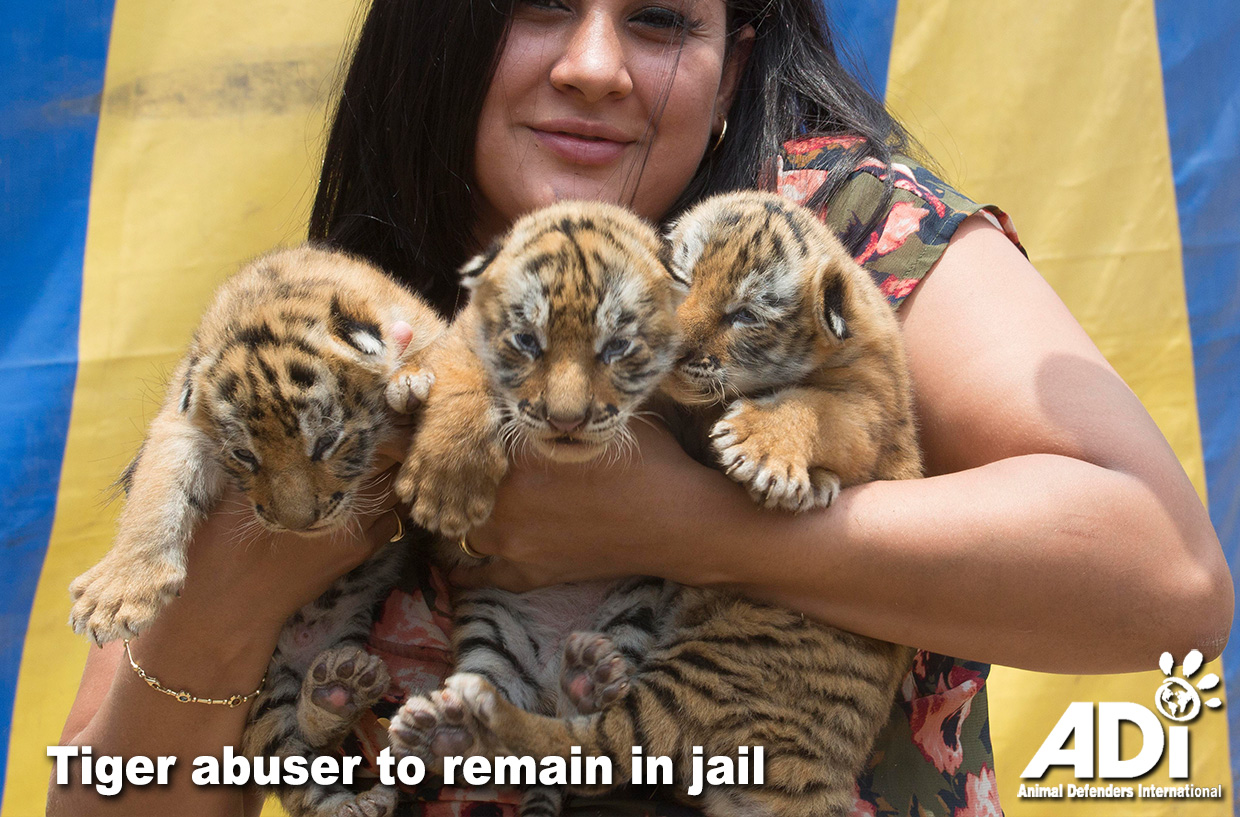
Joe Exotic appeal denied: The U.S. Supreme Court declined to hear an appeal from Joseph Maldonado-Passage, (Joe Exotic of controversial Netflix series ‘Tiger King’ notoriety). So, he will continue to serve his 21-year prison sentence on murder-for-hire and wildlife-related charges. Maldonado-Passage’s lengthy sentence was primarily for plotting to have sanctuary owner Carole Baskin of Big Cat Rescue killed (ADI collaborated with BCR and Carole to rescue tigers from Peru and Guatemala and securing the Big Cat Safety Act). Prosecutors also established that Maldonado-Passage shot and buried animals on his property and illegally transported tigers across state lines. Supporters will also recall the horrific scenes in ‘Tiger King’ as he dragged tiger cubs from their mother, even as she gave birth.
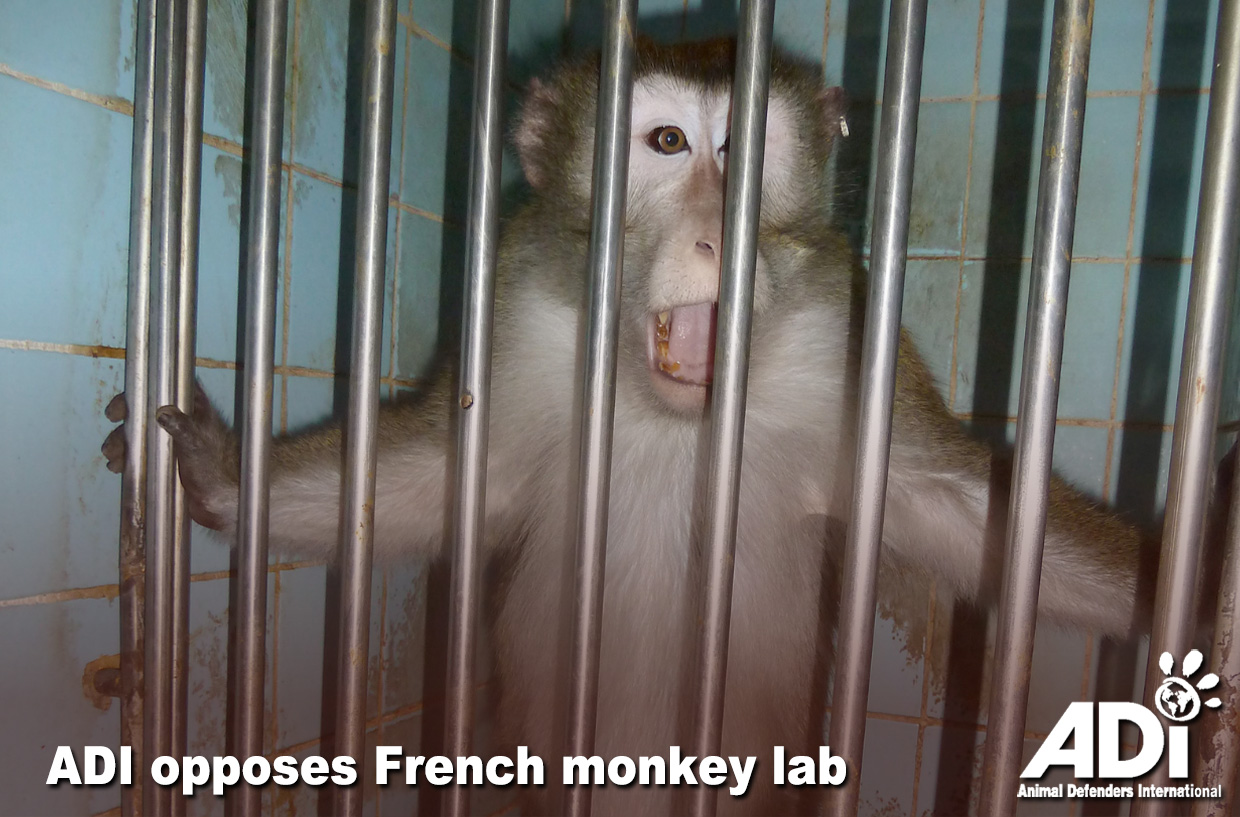
A facility with capacity to house 1,800 primates is planned by France’s National Centre for Scientific Research (CNRS) which would triple monkey experiments in France. ADI contacted MEPs, government officials and CNRS, providing evidence that the facility would fly in the face of current scientific developments, trends and regulatory objectives in the EU, UK and US, as well as public opinion. Despite their own ethics committee agreeing with many of our points, CNRS seems determined to press ahead with the proposals. ADI fears that the 31million Euro investment will lock France into archaic monkey experiments for decades to come. Get involved.
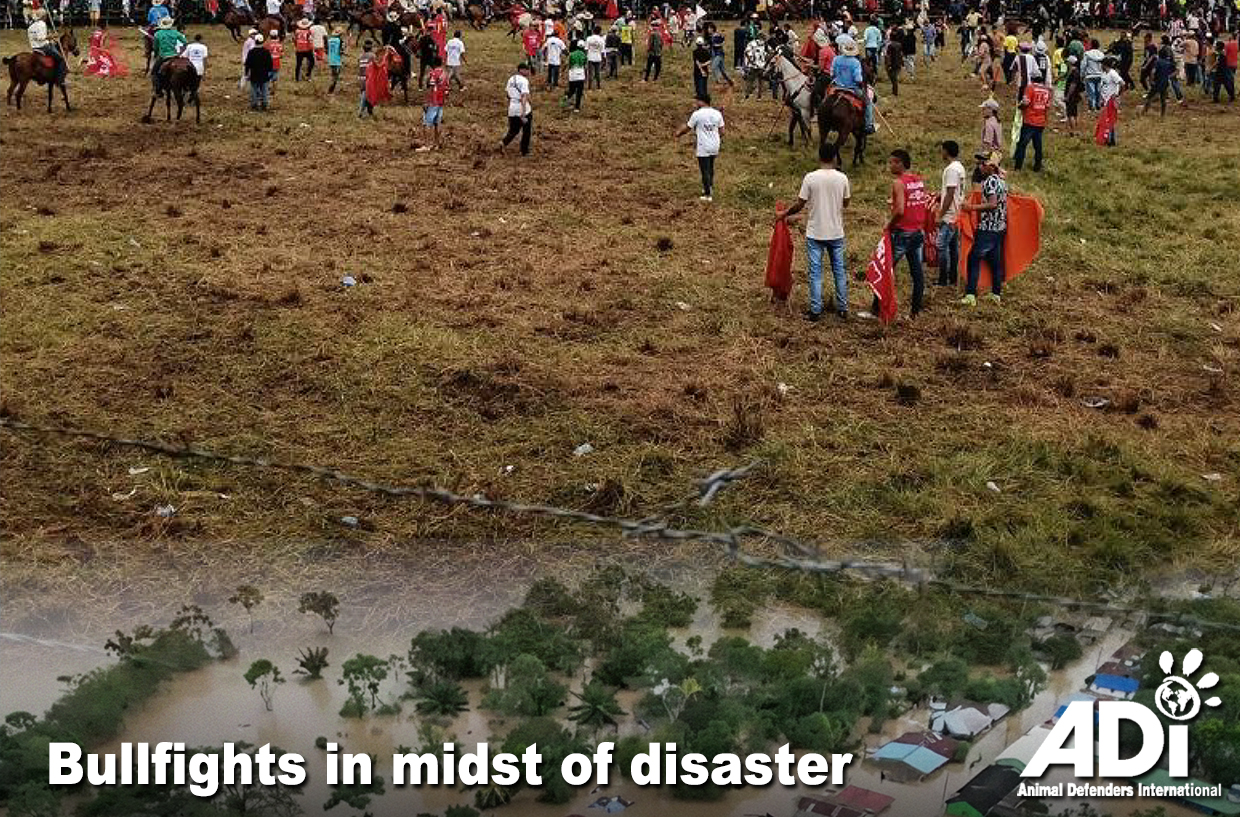
Unprecedented flooding on Colombia’s Caribbean Coast resulted in lives lost, homes destroyed, and wild animals displaced from their natural habitats. But while most people mobilized to help the victims, organizers of ‘corralejas’ (where bulls are attacked with weapons by people on foot and horseback) pressed ahead with the cruelty, wasting precious emergency services resources.
ADI Colombia is exposing these cruel events while fighting attempts to overturn the bullfighting ban before it comes into force. Good news is that an expanded version of Law 2385 (comes into force 2028) which bans Spanish-style bullfighting, now includes corralejas, cockfights, and coleo (where a rider chases a bull and pulls it over by the tail). The campaign is at a critical stage, with bullfighting interests launching multiple legal challenges to the law.
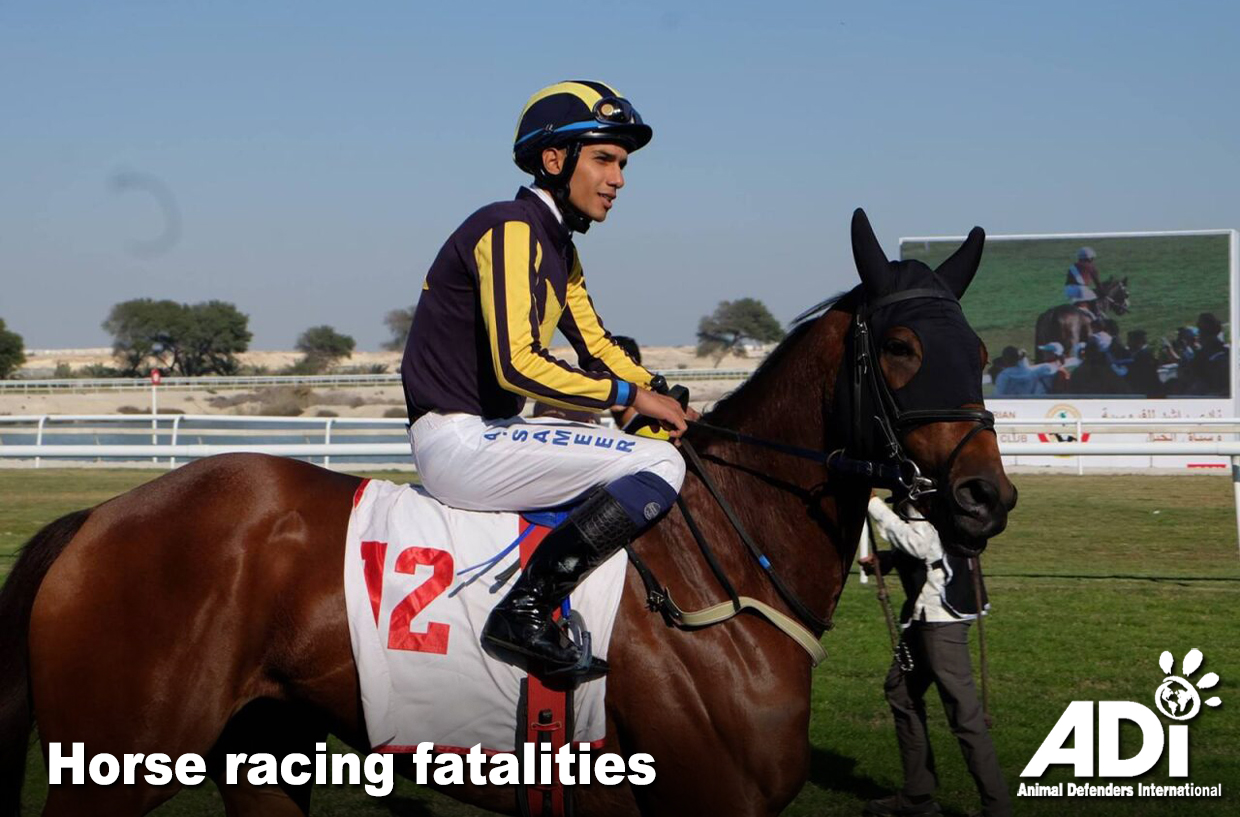
13 horses have died at Southern California tracks in the first three months of the year, California Horse Racing Board reports eight at Santa Anita Park and five at Los Alamitos Race Course. There were also four deaths in just four days at the UK’s Cheltenham Festival – in the past five years, over 150 horses a year have died during or immediately after races in Great Britain, with thousands more sustaining serious injuries. 60% of foals bred for racing will never race. This means of 11,943 foals born in 2025, over 7,000 would be discarded, either sold to slaughter, other owners, or exported to countries with poorer welfare standards or shelters. Do not attend racing events or bet on horse racing, the profits feed directly back into the industry, guaranteeing the suffering of countless horses.
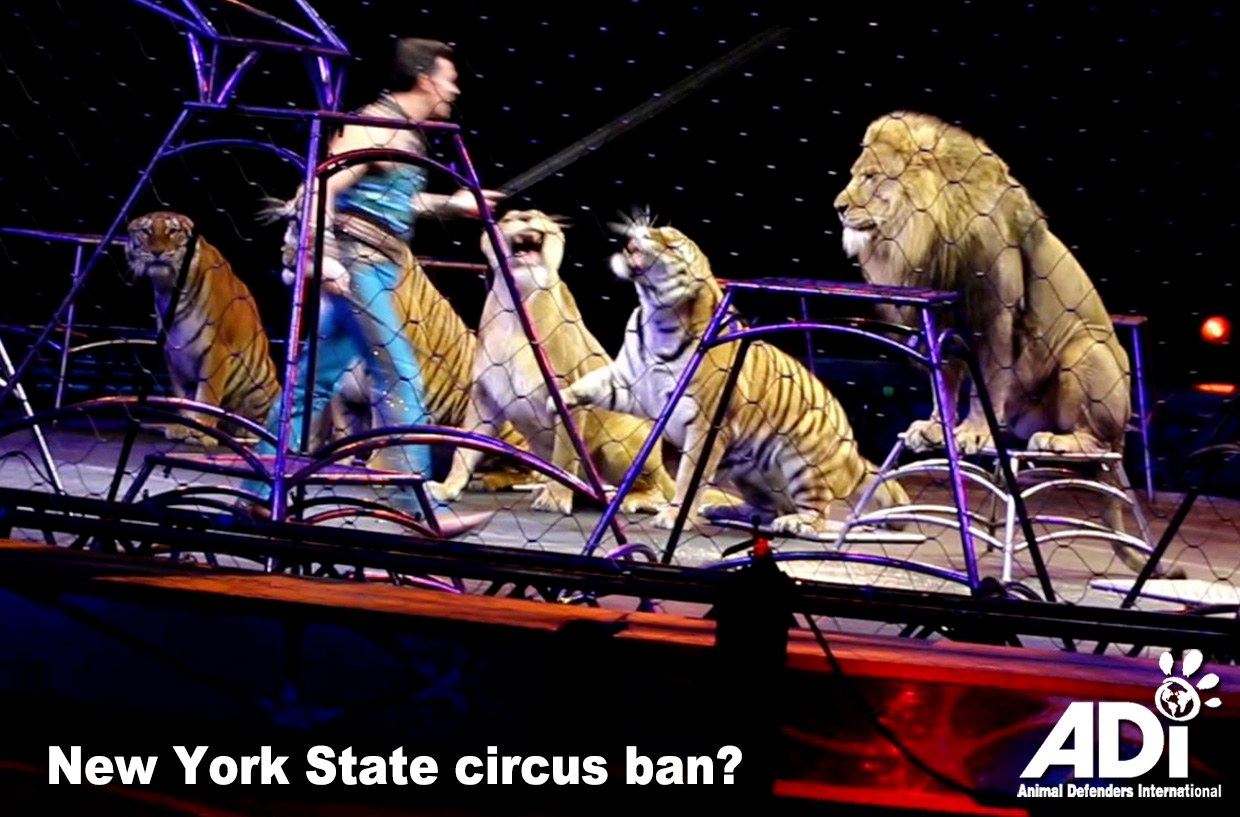
New York State is considering a ban on big cats, kangaroos, primates, bears, and wallabies in traveling circuses following their 2017 ban on elephant acts. Sponsored by Assemblymember Deborah Glick, ADI has submitted testimony in support of bill A5850. A companion bill, S3629A, sponsored by Senator Nathalia Fernandez, is on the Senate floor, though a hearing date has not yet been set.
If you live in NY, Contact your Assemblymember and urge them to support A5850 to ban traveling animal acts. If you don’t live in NY, urge your members of Congress to support the reintroduction of the Traveling Exotic Animal & PUBLIC SAFETY Protection Act (TEAPSPA).
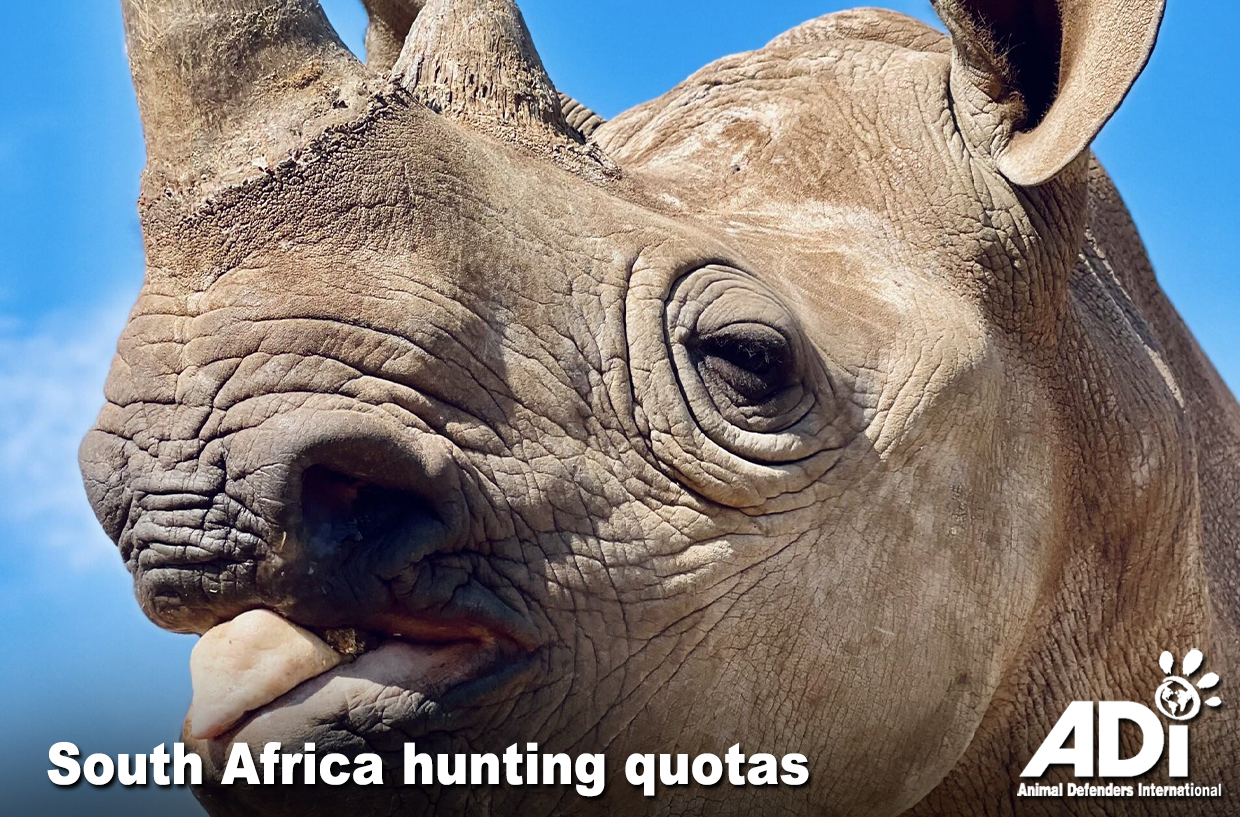
150 elephants, 12 black rhinos and 11 leopards would be killed under 2026-2027 hunting export quotas reintroduced by South Africa’s Environment Minister, Willie Aucamp. ADI is opposing the decision – see our response and learn more here.
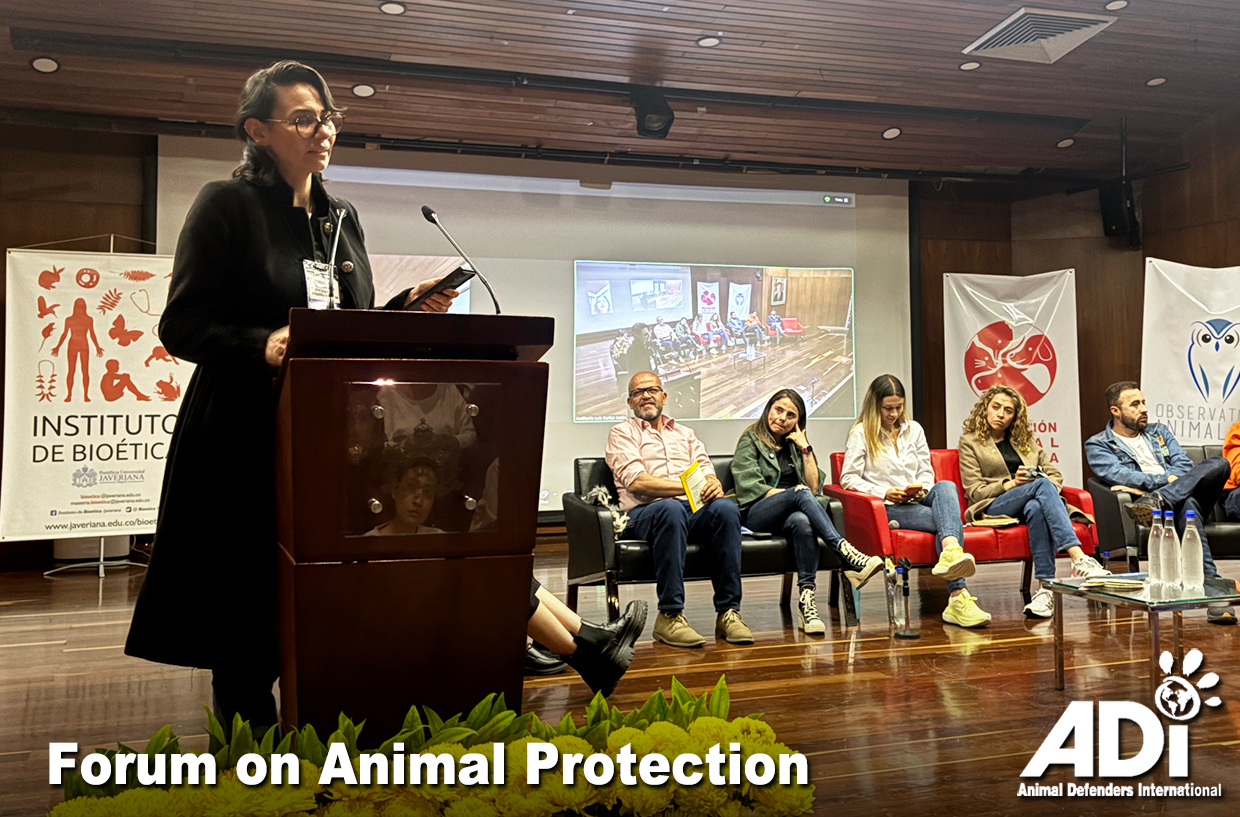
Colombia’s Congressional candidates debated the legislative agenda at the Fourth Forum on Animal Protection organized by ADI Latin America, the Animal Observatory, and the Animal Protection Group of Javeriana University. The forum emphasized the need for effective laws for animals and the resources to enforce such laws. In recent years, Colombia has made significant progress in animal protection legislation including banning cosmetic testing on animals, animal use in riot control, and bullfighting.
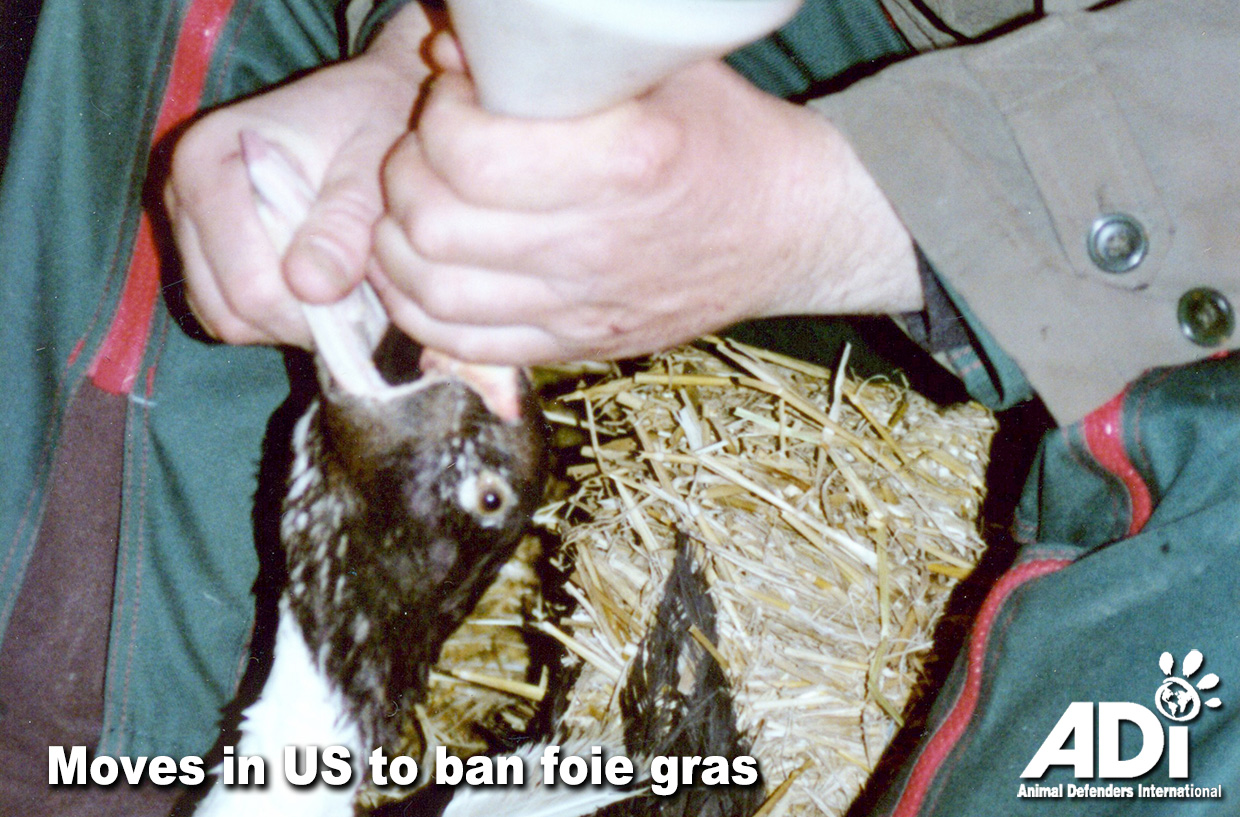
Foie gras is one of the cruelest practices in farming, with ducks and geese force-fed huge amounts of grain several times a day, causing their livers to become hugely swollen, fatty, painful and making the birds ill. Once their livers reach twice the normal size and more than 10 times the normal weight, the birds are slaughtered. Rhode Island and Washington state both currently have bills to prohibit excessive feeding for, and selling, foie gras.
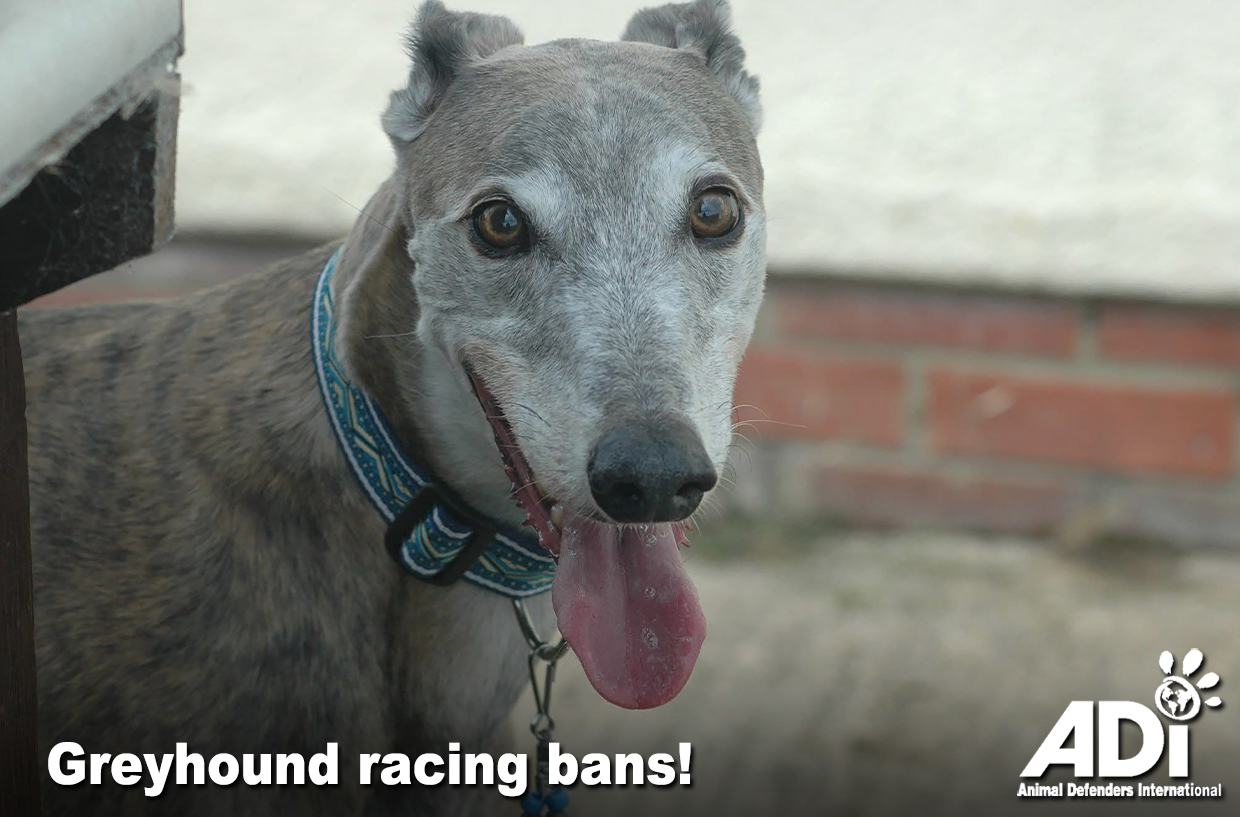
Victory! Wales and Scotland pass greyhound racing bans. Wales became the first UK nation to make it illegal to run races or operate tracks – ending an activity long associated with injuries, suffering, and death for dogs. Scotland’s bill passed the next day. Momentum is building and ADI urges other countries to follow suit and put an end to this cruelty once and for all.
A lawsuit before Colombia’s Constitutional Court is calling for the country’s law banning wild animals in circuses to be expanded to domesticated animals (dogs, horses etc.). ADI Colombia supports the lawsuit, which argues that the omission of some animals violates the original intent of the legislation prohibiting the use of all animals in circuses. Passed in 2013, Law 1638/13 marked Colombia’s first animal protection law under the existing Constitution. A significant milestone, it ended wild animals in circuses across the country, with ADI rescuing nine lions.
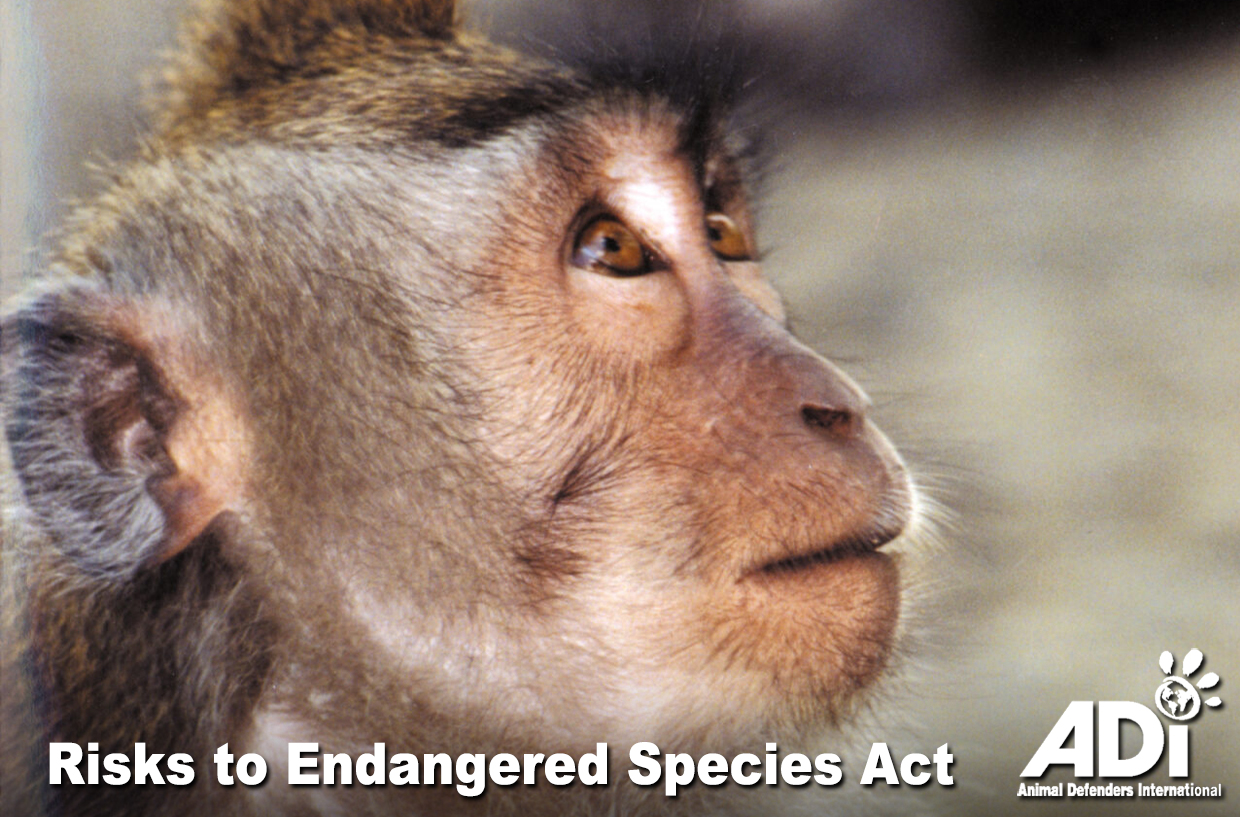
Proposed revisions to the U.S. Endangered Species Act would allow economics to become a factor in the decision making of protected species listings; narrow the definition of “critical habitat” to exclude currently unoccupied but historic habitat; require species-specific rules to be created rather than the current blanket protection rules, so newly listed species would no longer be automatically protected; reinstate previous framework definitions for interagency cooperation, making it easier for federal agencies to greenlight projects such as mining, drilling, and logging.
Please urge your member of Congress to oppose these harmful and outdated revisions to the Endangered Species Act here.
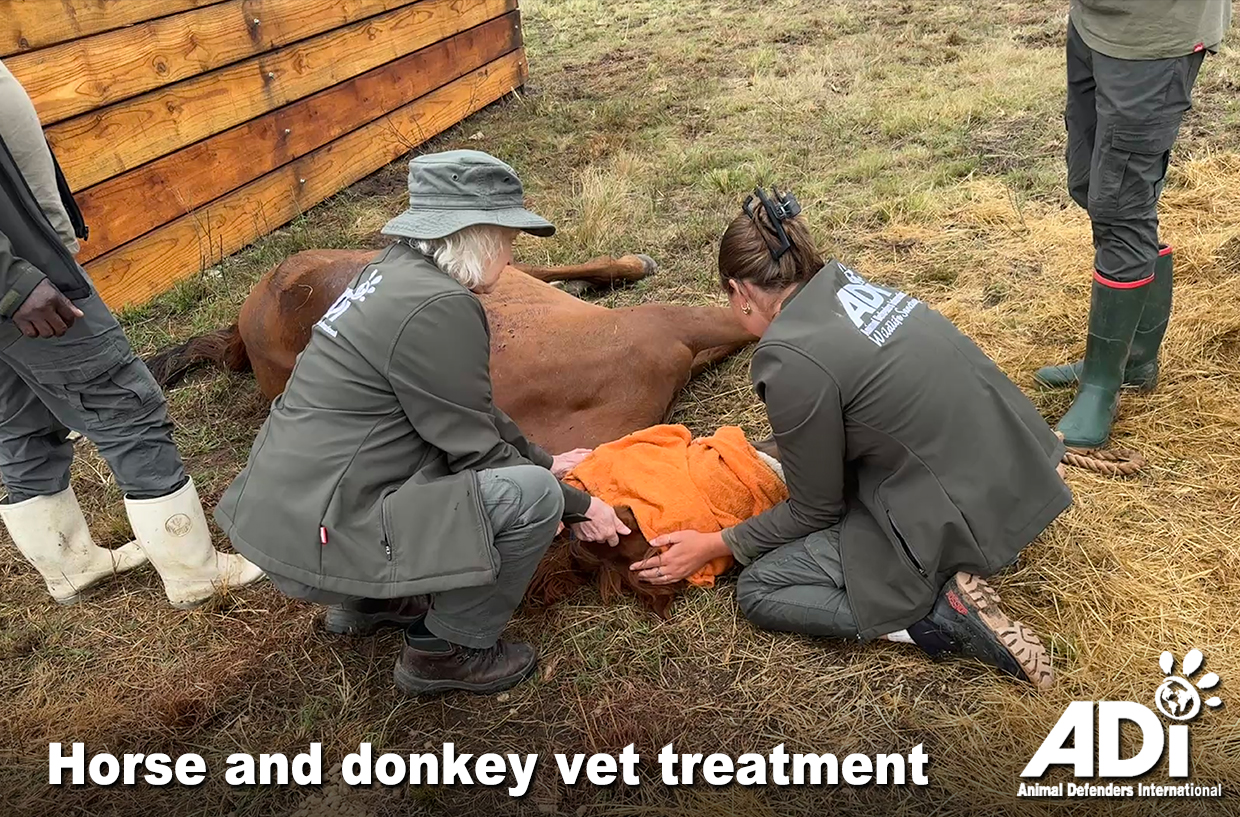
At ADI Wildlife Sanctuary, Dr. Willem Daffue examined horse Sammy and donkey Jack in our new Non-Predator Reception Area (NPRA). Sammy arrived at ADIWS with an injured fetlock, which was treated, along with a wound on his back. Dr. Daffue also castrated young Jack, one of our herd of ten donkeys.
Even with animals who usually roam freely across ADIWS during the day, it is important to have facilities where we can get close for veterinary procedures or keep them inside when unwell, so thank you to everyone who supported the construction of the NPRA – although not quite finished yet and is already vital to the welfare of our residents!
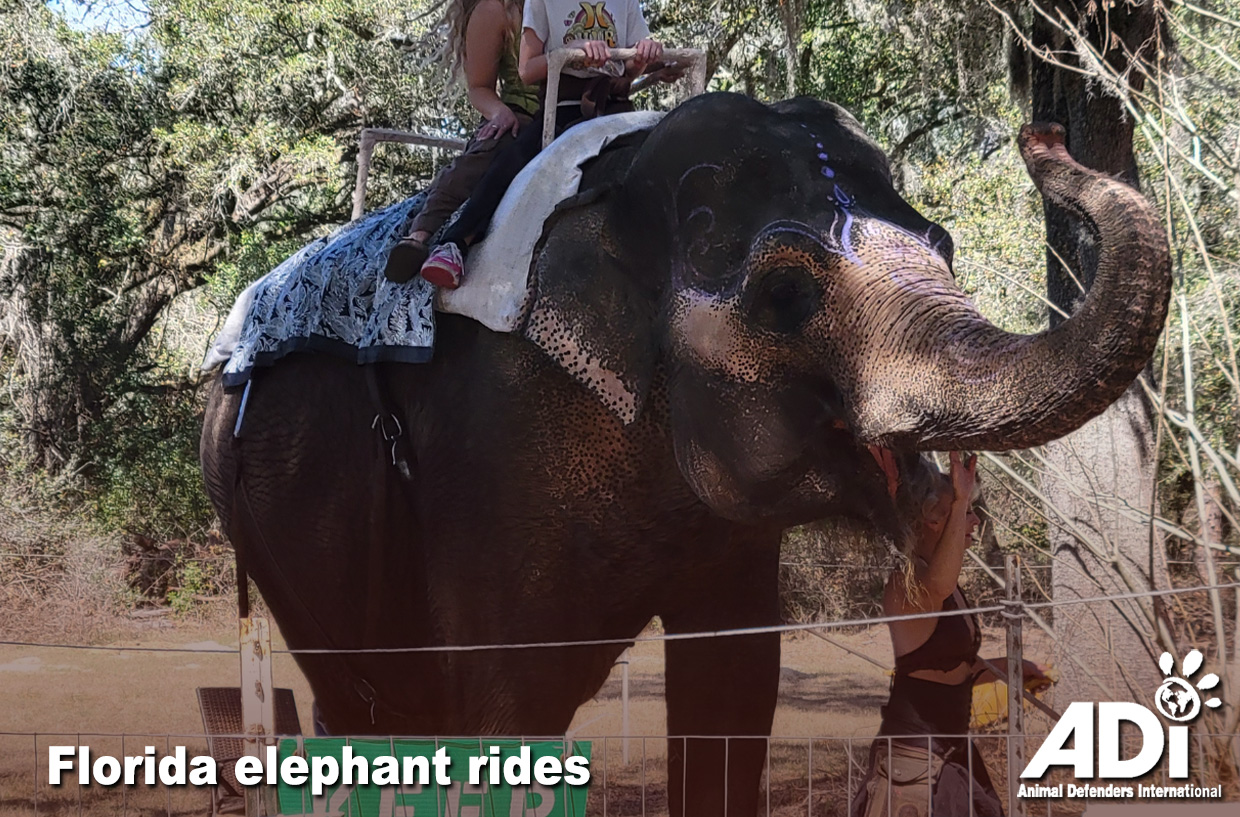
The Bay Area Renaissance Festival in Dade City, Florida, with elephant rides provided by Lauryn Murray using Essex the elephant has just concluded. Intelligent and social animals, elephants endure a lifetime of suffering for a brief ride. Help make sure they don’t reappear next year!
Please send a polite message and call the Festival urging them to no longer host elephant rides and pledge to keep their festival free of performing wild animals. Call: (352) 999-5946 Email: info@bayarearenfest.com
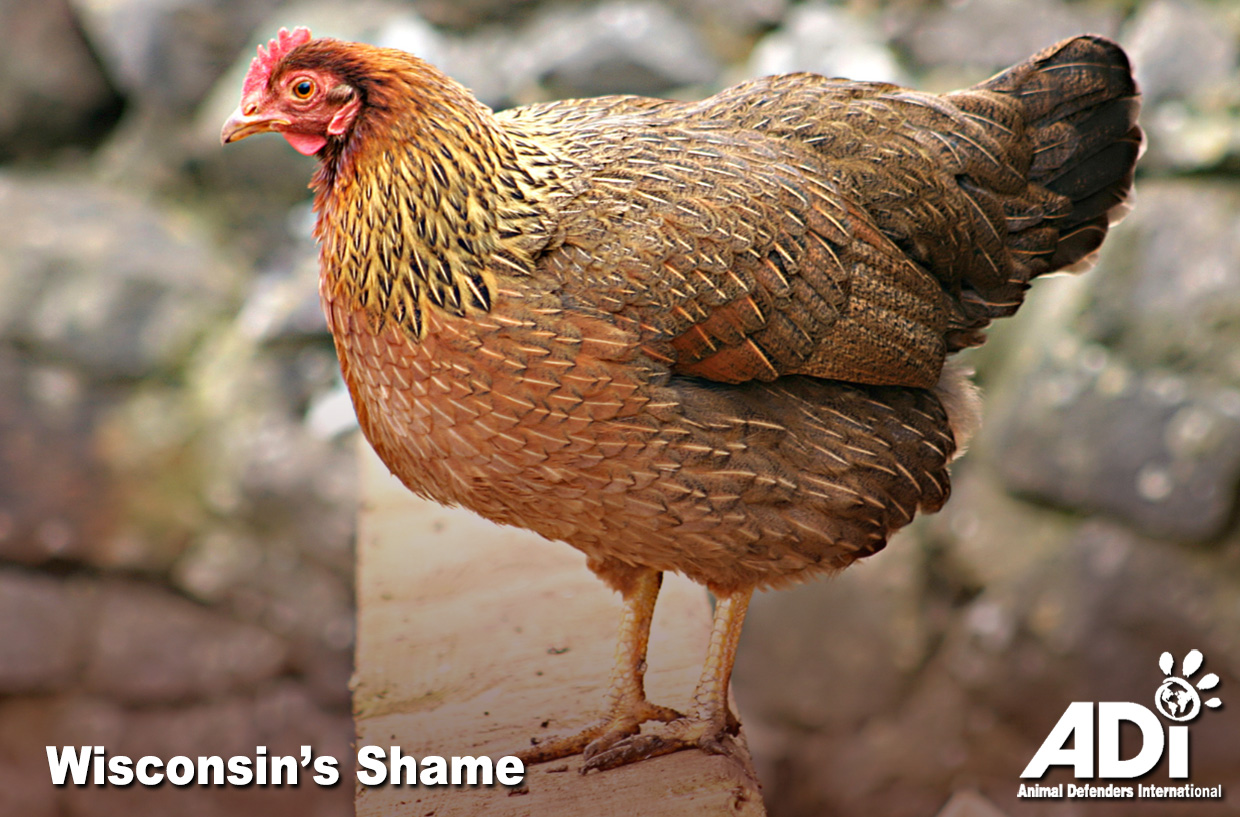
Dunn County Pioneer Day event in Ridgeland, Wisconsin, includes a “chicken toss”, where terrified chickens are thrown off the roof of a building for spectators to try to catch, as well as young piglets are covered in grease, then terrorized as children chase them through the street in freezing temperatures. Organized abuse of animals for entertainment is uncivilized. Come on Wisconsin, you can do better than this! Please contact Tim Lauffer, Dunn County Board Supervisor and urge them to end this cruelty: Call: (715) 962-3869, Contact form.
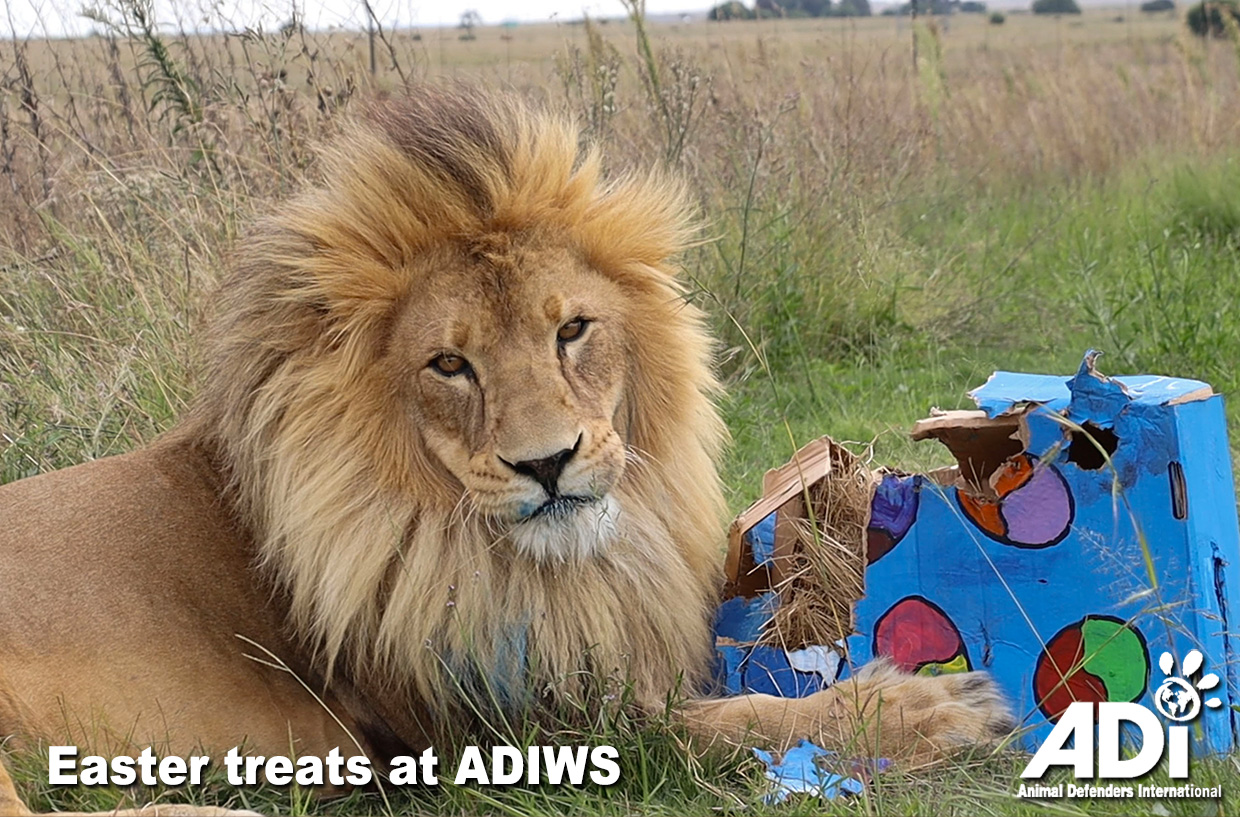
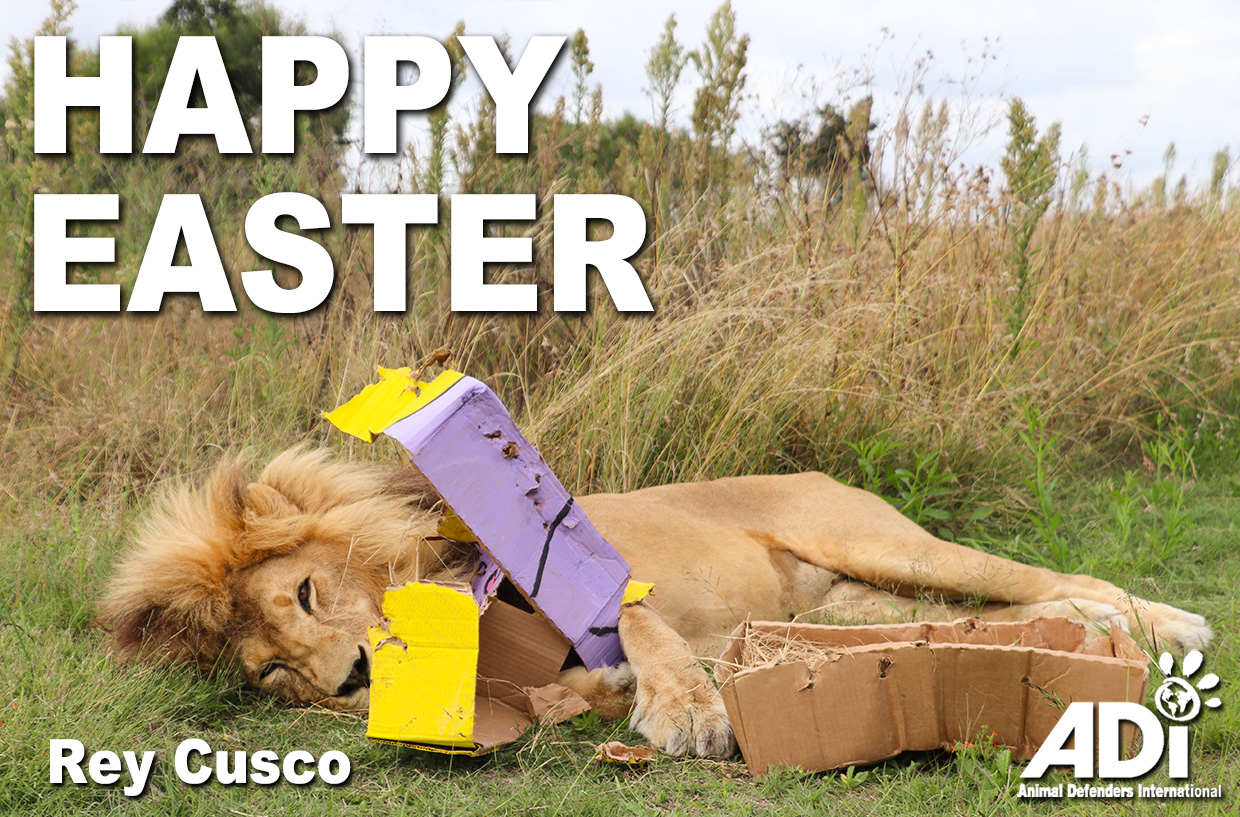
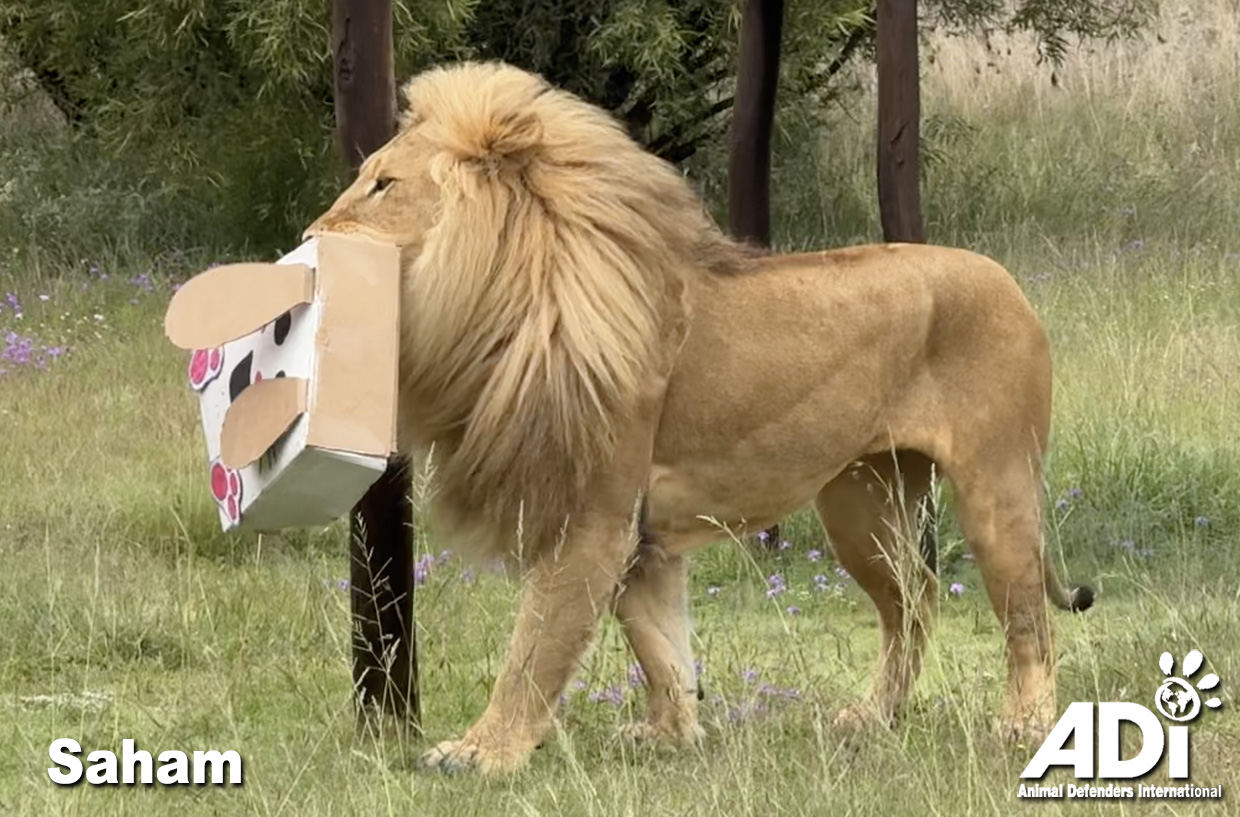
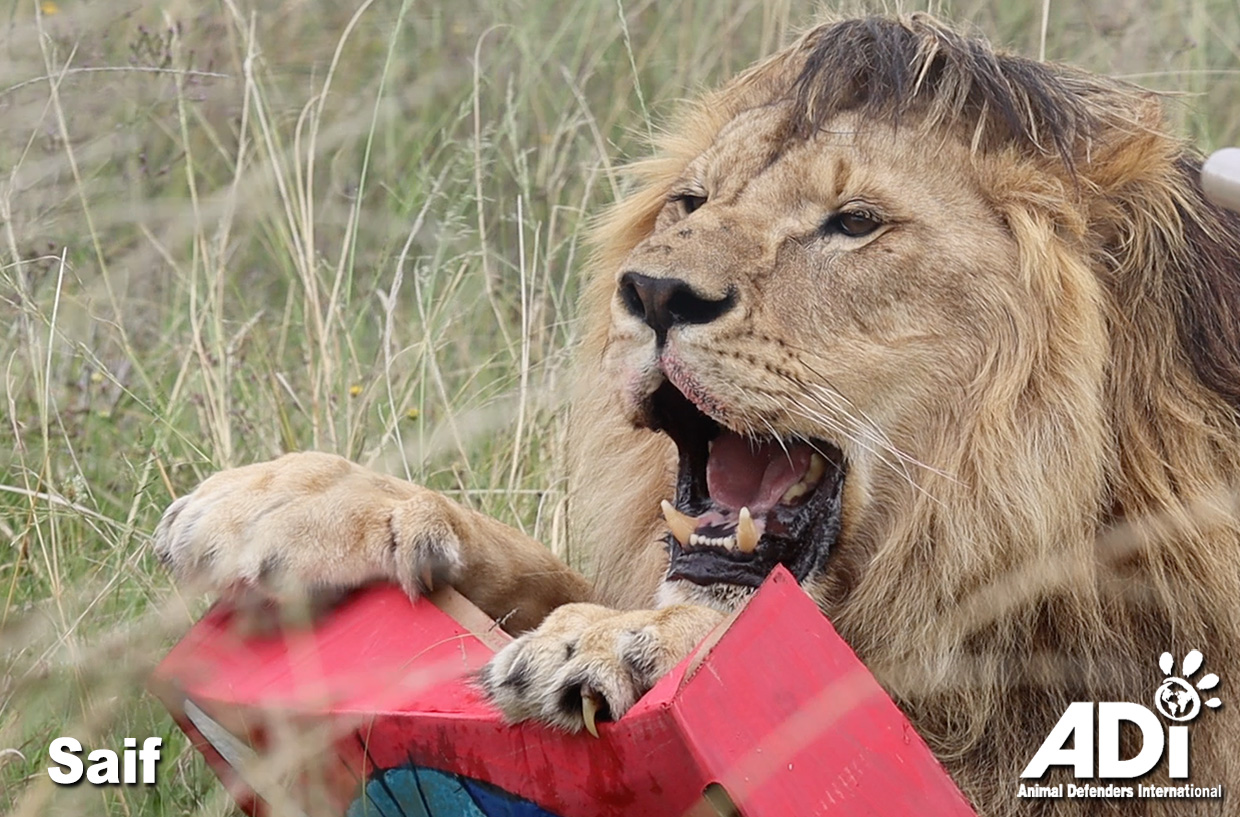
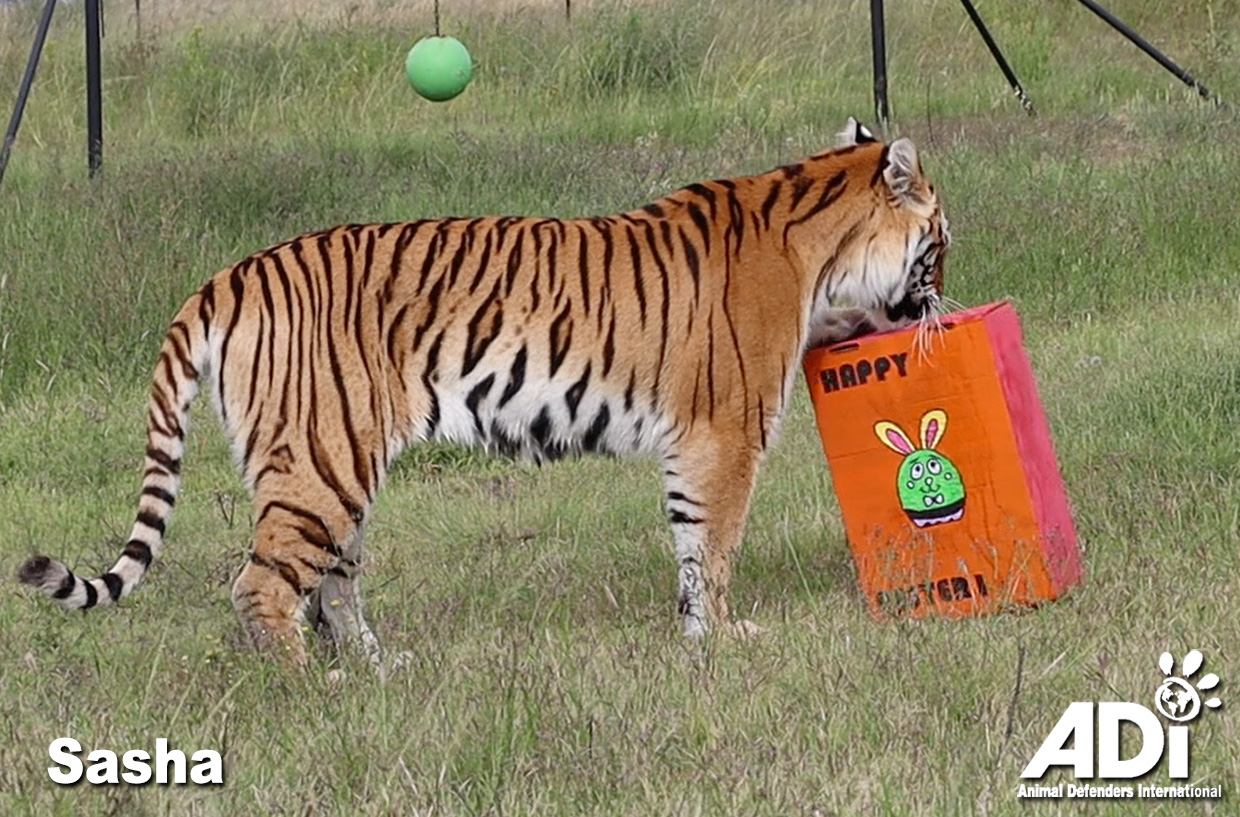
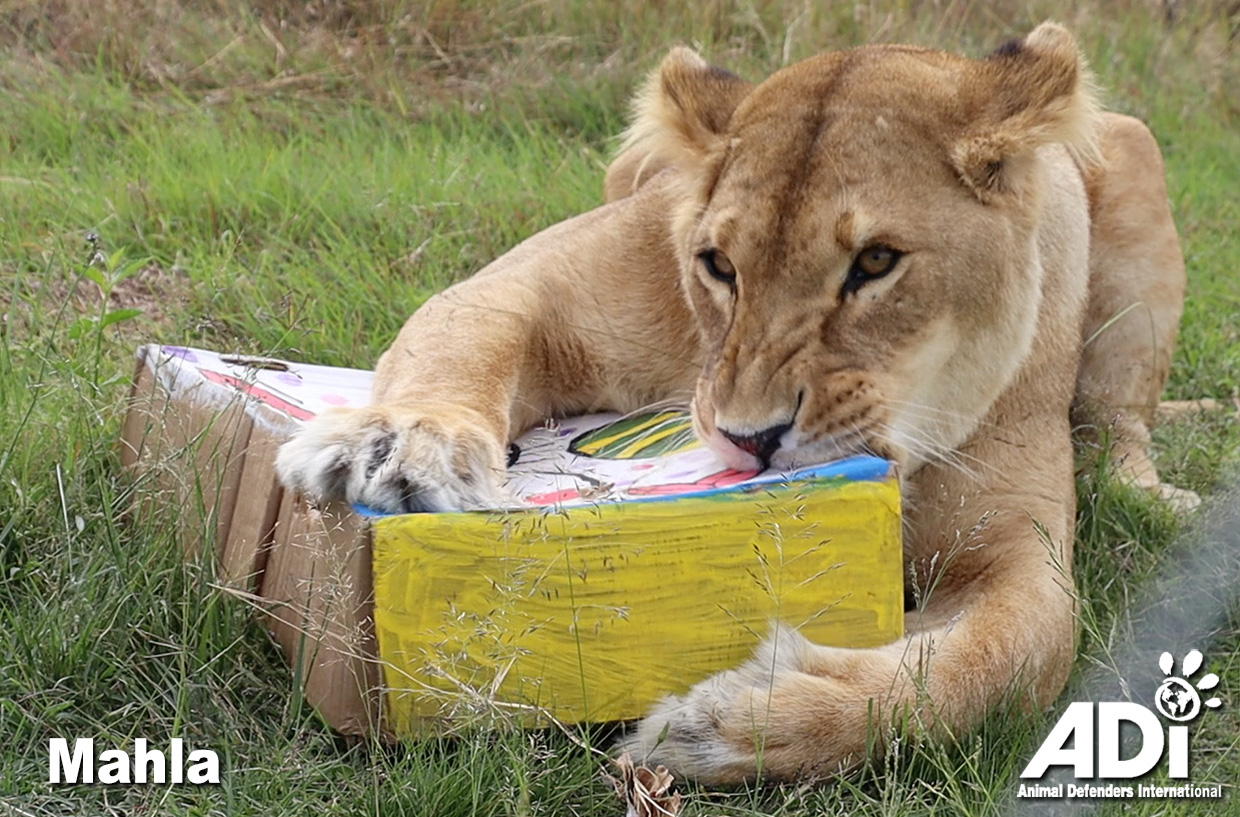
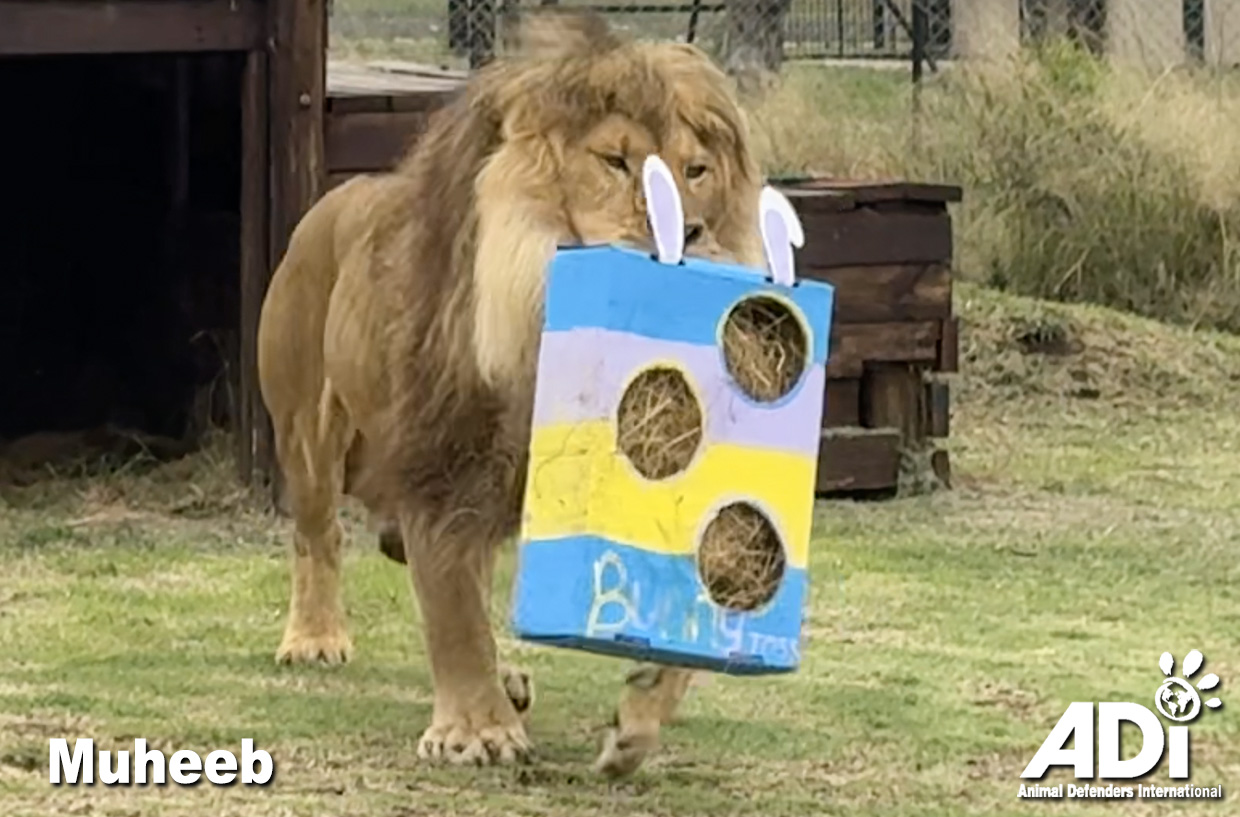
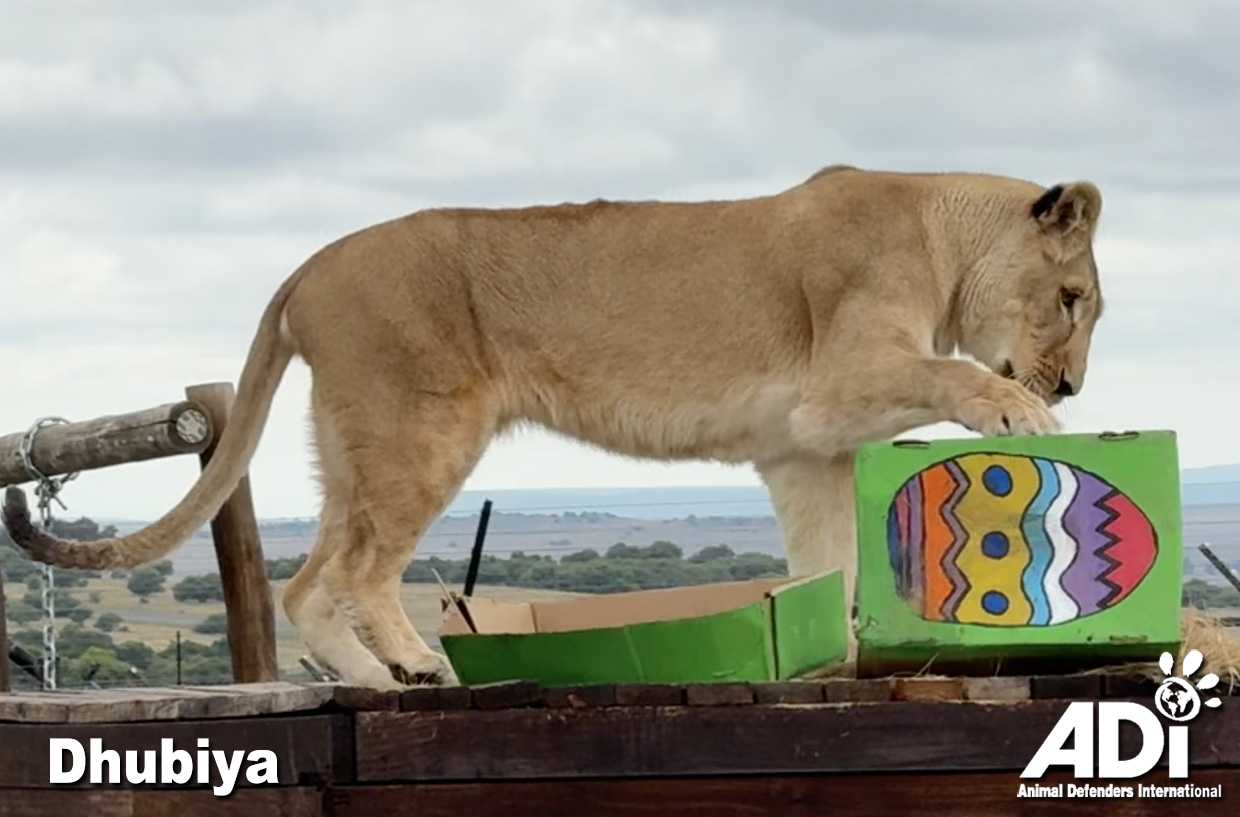
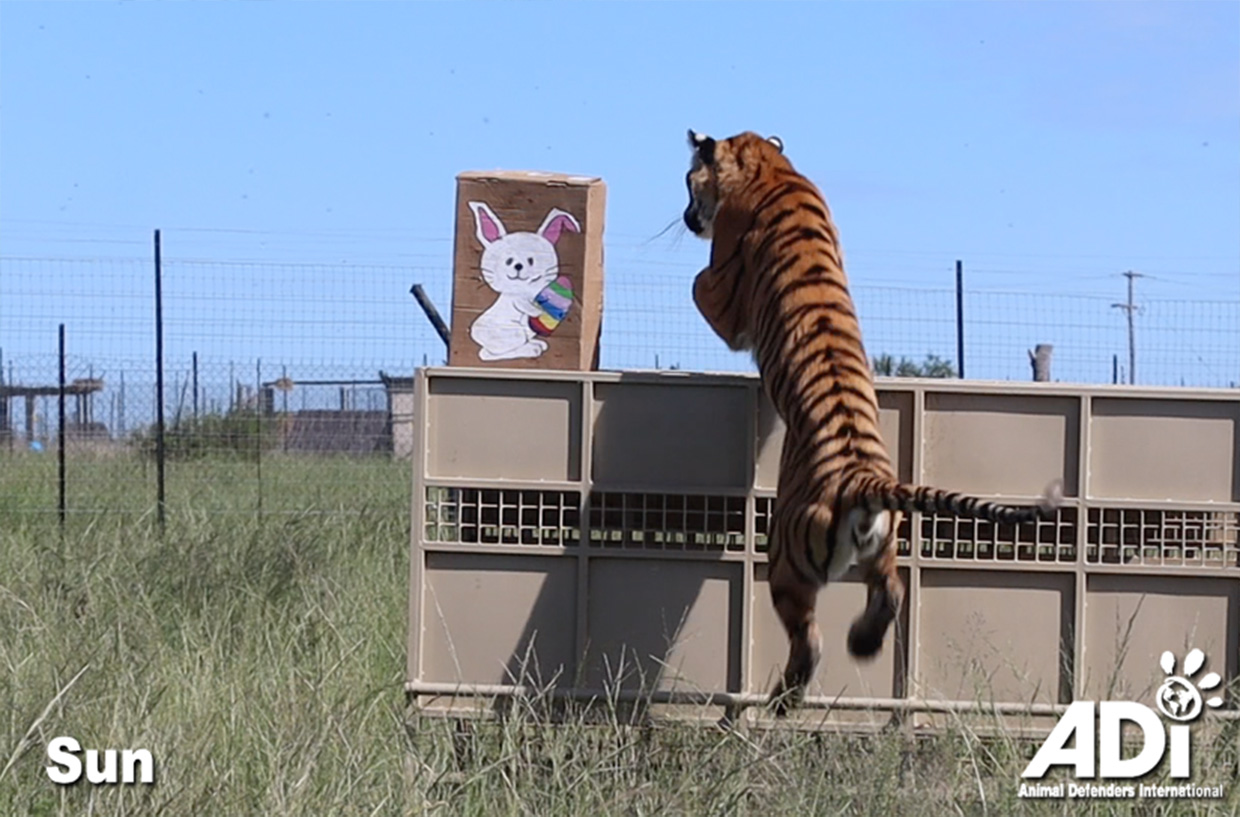
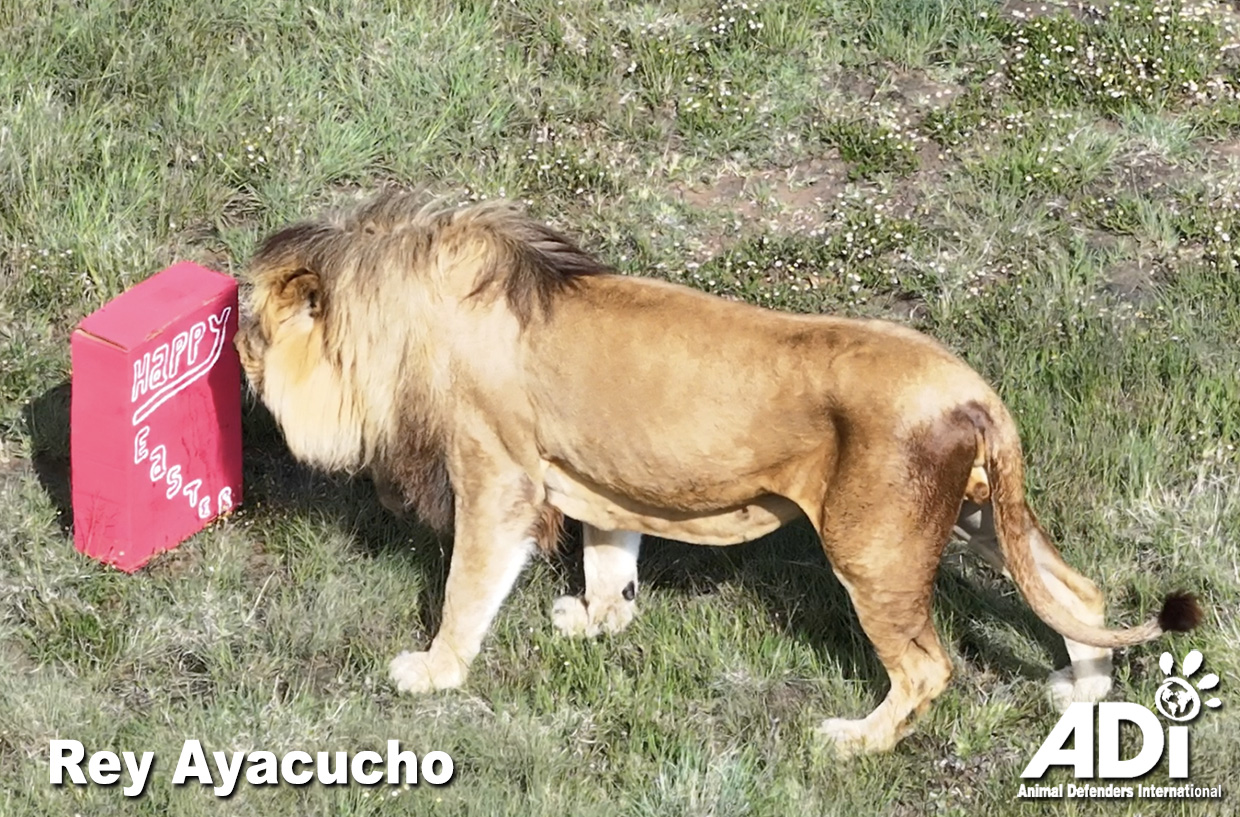
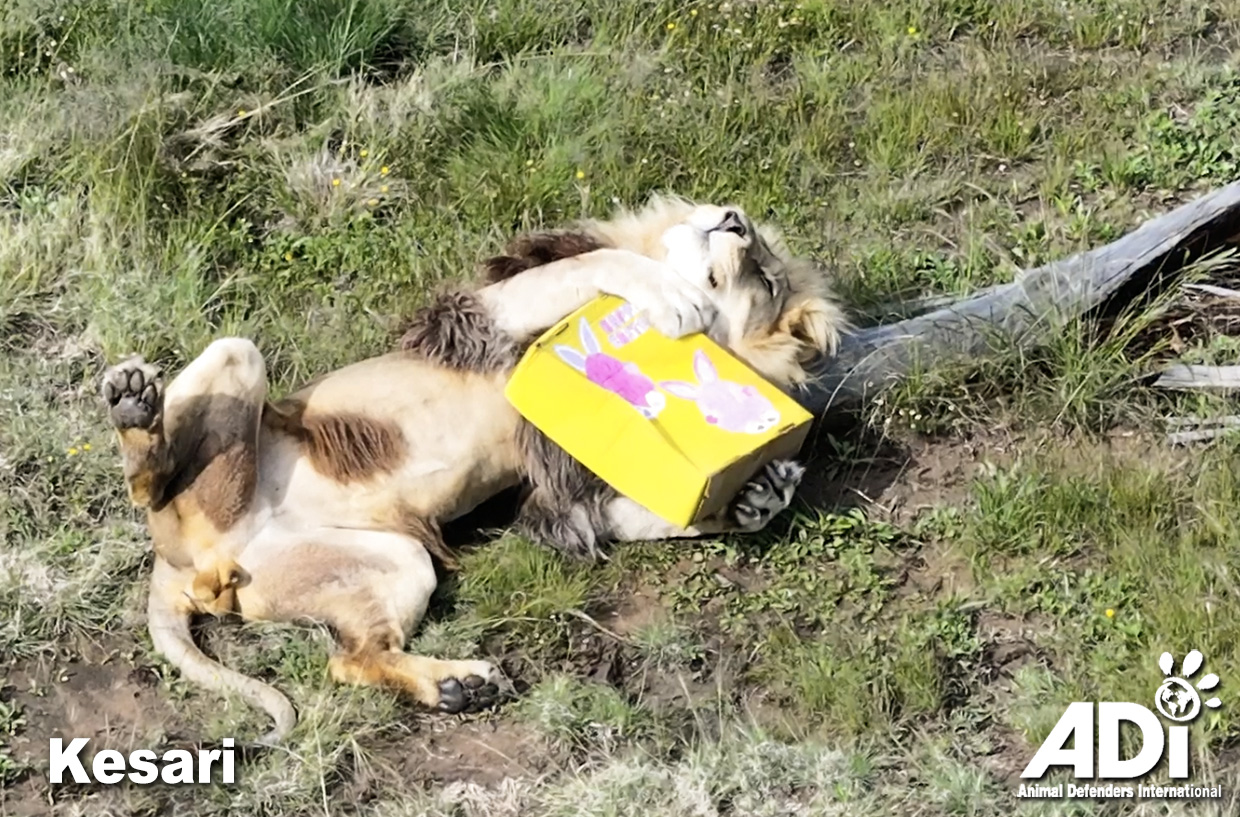
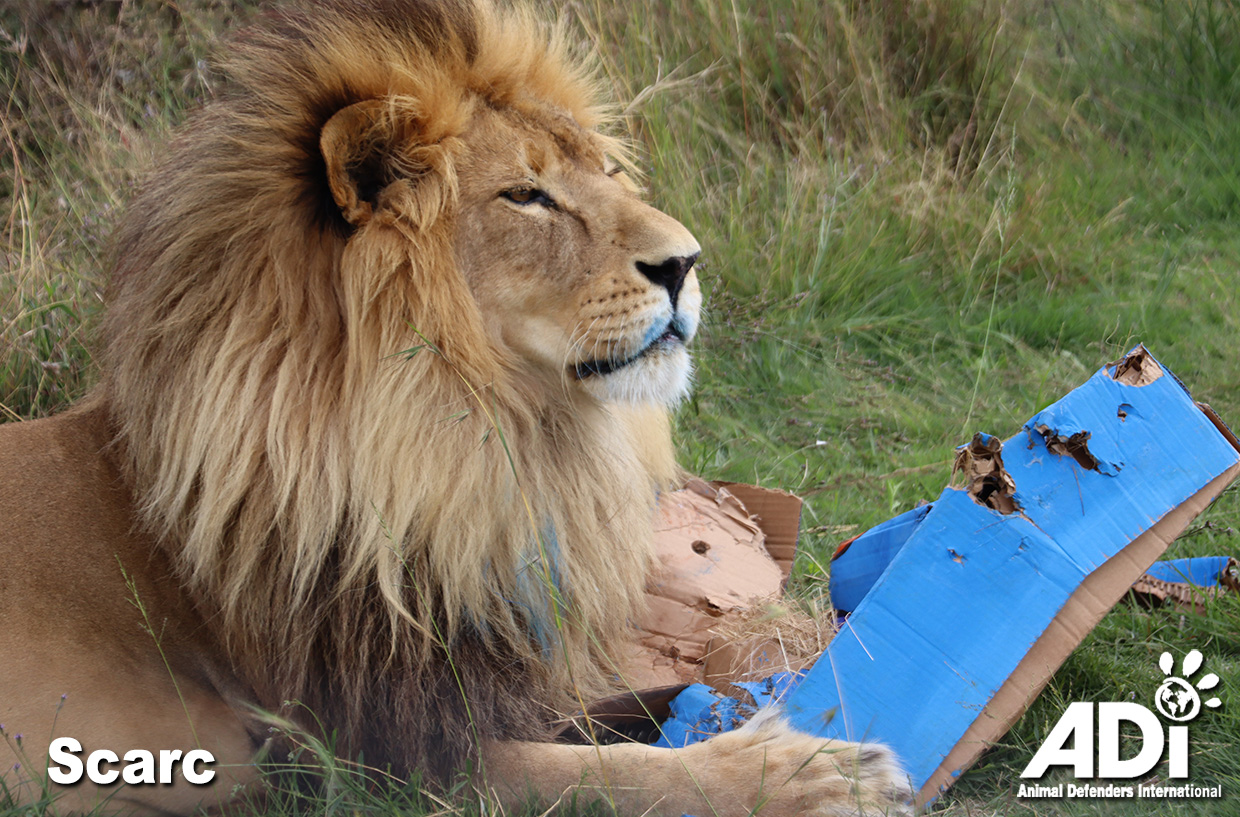
Again this year, ADI Wildlife Sanctuary residents, saved from circuses, zoos, and the illegal wildlife pet trade around the world, went wild for their Easter boxes! Watch (or watch again!) here.
We never need any excuse for giving the rescued lions and tigers at the ADI Wildlife Sanctuary extra treats and it has become a tradition to mark special days and holidays from Valentine’s Day to Easter with themed toys.
These animals saved from suffering in circuses and the illegal pet trade are now having the time of their lives – enjoy our gallery below and check out the video here.
Wishing you and your family an Easter filled with as much joy as the lions and tigers found in their holiday treats!
To help us provide lifetime care for these sweet animals and support and help our vital education campaigns to end the suffering once and for all: donate US $, CA $ | donate £, Euros, Rand.




 Jan Creamer