From the Frontline – Campaigns for animals worldwide

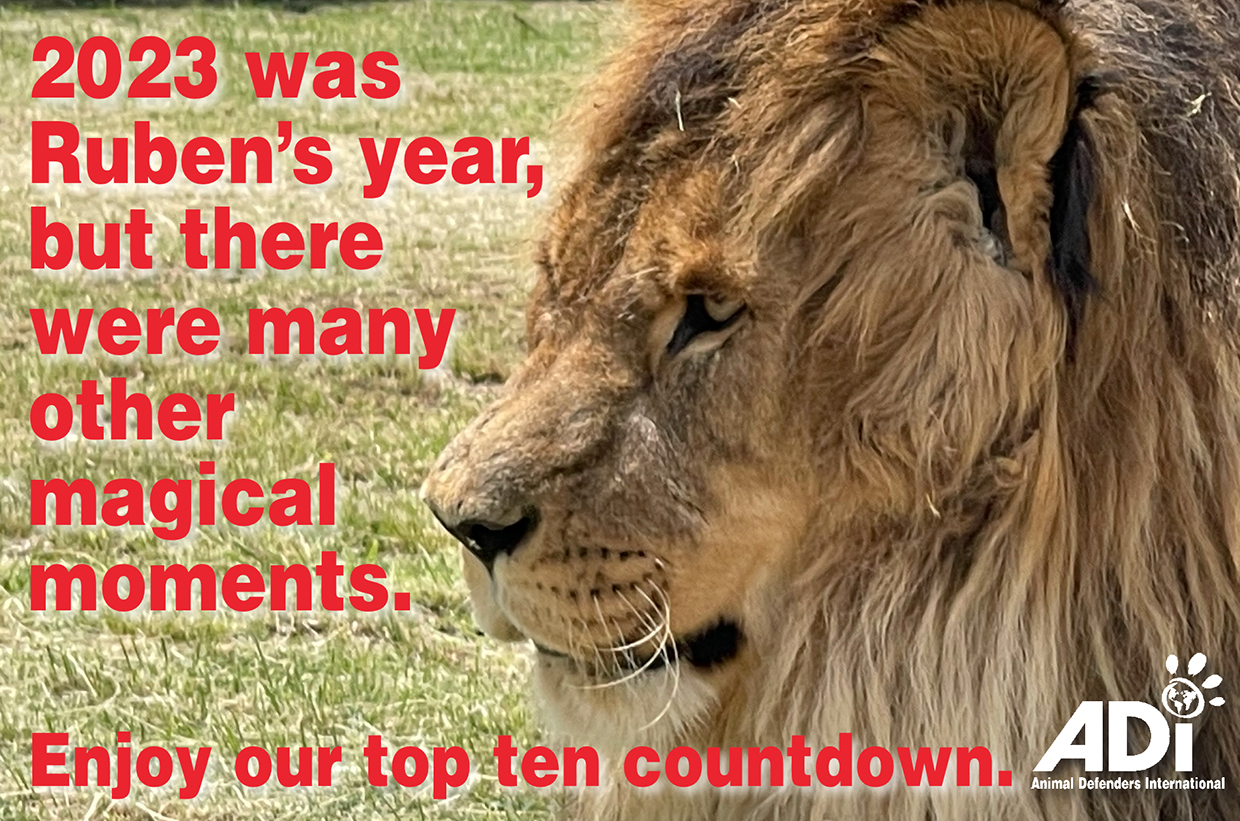
The world has continued to be gripped by Ruben lion’s daily activities since his arrival at the ADI Wildlife Sanctuary in late August – more about him later!
 
Important campaign news includes the launch of our campaign in Colombia to end horrific malaria experiments on owl monkeys, the fight to end trophy hunting, and the Stop Circus Suffering campaign.
 
First up, though, is the dramatic and terrifying events at the ADI Wildlife Sanctuary last weekend:

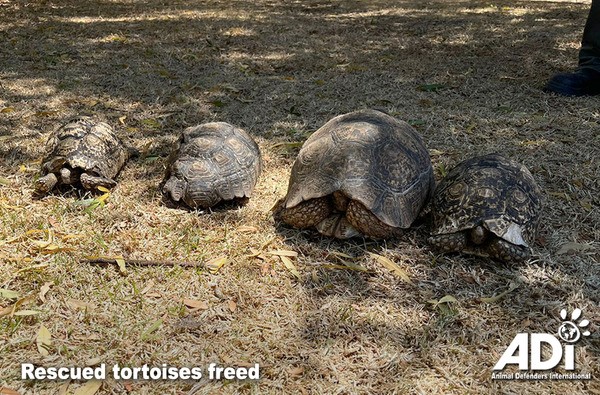
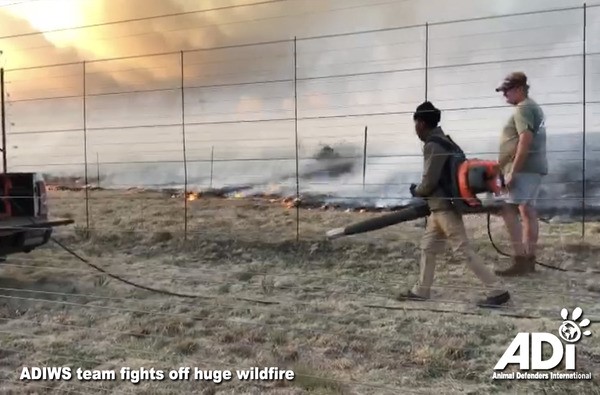
Last weekend, high winds drove high-speed wildfires across Free State, South Africa. We received an alert about a fast-moving fire 25 miles away; the team geared up, firefighters were loaded, and the lions and tigers were brought into their safe zones. In the next hours, despite all efforts to stop it, the huge fire raced along the road towards us. Briefly, it looked like it would pass us by, but the wind turned it and at 3:40pm our north field (outside the security fence) was on fire and the fire was also approaching our west border. The team split to fight the fire on both sides, pushing it back while soaking our interior border. It was extinguished at 6pm without entering the sanctuary. All animals were safe, and three tortoises found in danger outside, have started new lives at ADIWS. We are appealing for funds to install a perimeter sprinkler system here

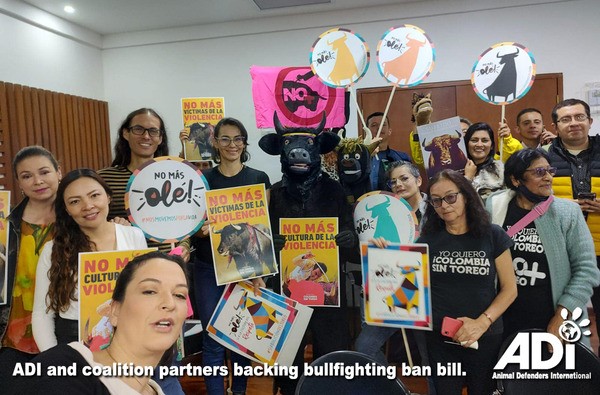
Good News: Colombia’s Senate Plenary approved the bill to ban bullfighting during its second debate, despite a huge push from the bullfighting industry. Bullfighting supporters staged a walkout in an attempt to make the meeting inquorate to stop the vote. But with just eight minutes to go, the quorum was reached, and the bill passed with 50 votes in favor, 4 against. The bill must now pass two more Senate debates before it returns to the House of Representatives, where we are campaigning for support.

VICTORY: After years of campaigning, the UK Animals (Low-Welfare Activities Abroad) Act is now law, prohibiting travel companies and others from selling and advertising activities abroad with low standards of animal welfare, such as elephant rides, harmful wildlife interactions, and cruelty like bullfights. ADI will be following up with travel and entertainment companies to report back on how they plan to implement the law – and hopefully promote more positive activities to support nature, wildlife, and conservation.

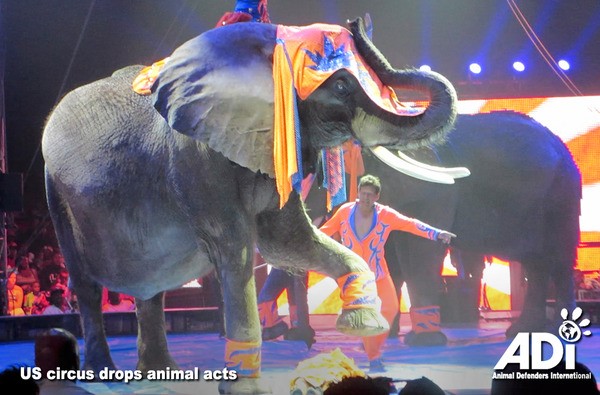
GOOD NEWS: One of the first circuses ADI investigated for our Stop Circus Suffering USA campaign, UniverSoul Circus, is finally going animal-free! Thank you to everyone who responded to our action alerts when they came to town and helped make this victory happen. ADI will continue to press for federal legislation to eliminate this misery in the US once and for all. Please urge your Congress members to support the reintroduction of the Traveling Exotic Animal and Public Safety Protection Act (TEAPSPA)

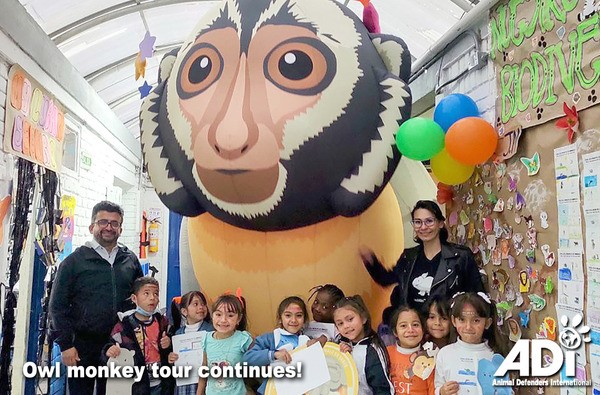
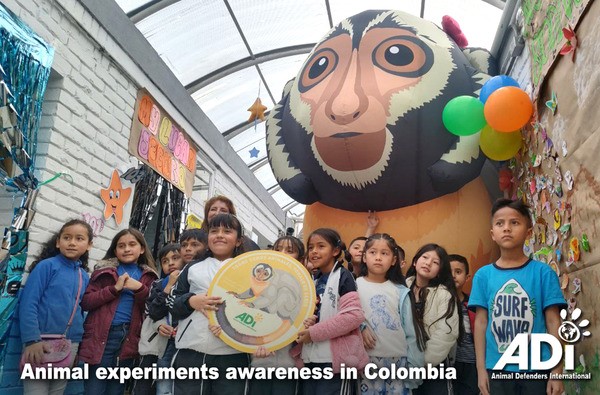
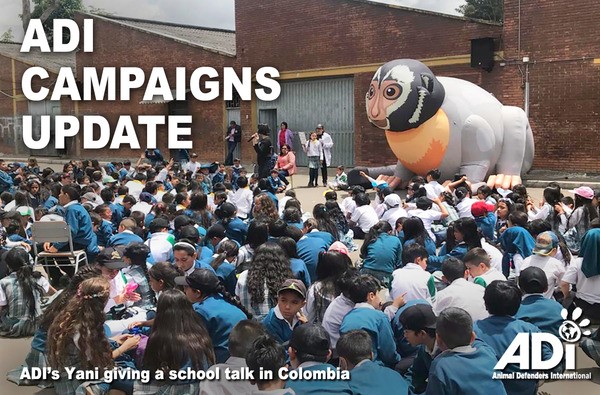
ADI Colombia has introduced a giant owl monkey to draw attention to the suffering of owl monkeys ripped from their forest homes for unscientific and unethical malaria experiments. The owl monkey has been appearing with an ADI information stand at public events, festivals, and schools. This week the monkey – we are still inviting submissions for a name – spent the day outside the Colombian Congress for World Animal Day. Pictured is Yani Mateus, ADI Colombia, being interviewed outside Congress in Bogota this week.

Since the passing of our dear Bumba due to cancer, at around 18 years old, several supporters have asked about canvas images to remember him. We have added several images to our store, including the beautiful picture above, showing him in his African homeland after being rescued from a circus in Colombia. View and order here.

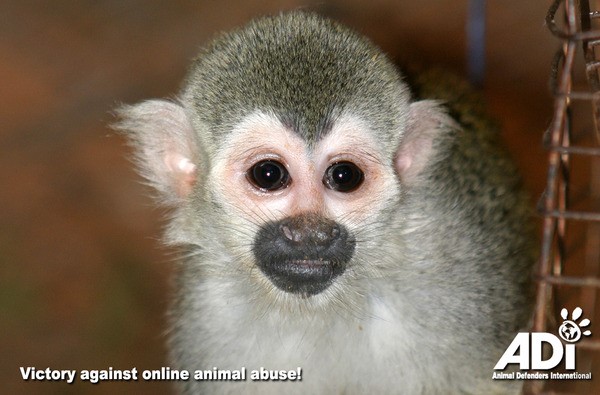
The UK Online Safety Act is now law and should restrict the depiction of animal abuse online, forcing social media companies to block the promotion of animal cruelty, specifically targeting activities enabling users to pay for, or instruct, animal torture regardless of where they take place.

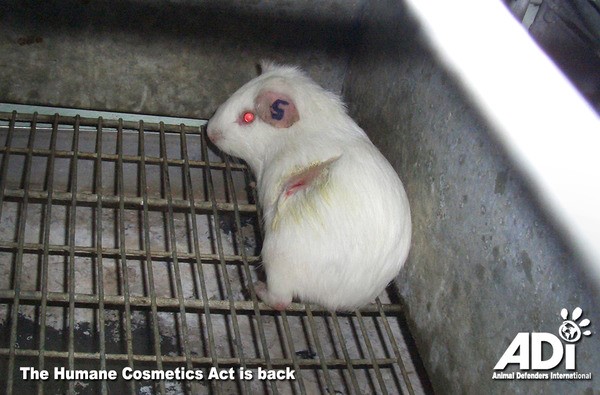
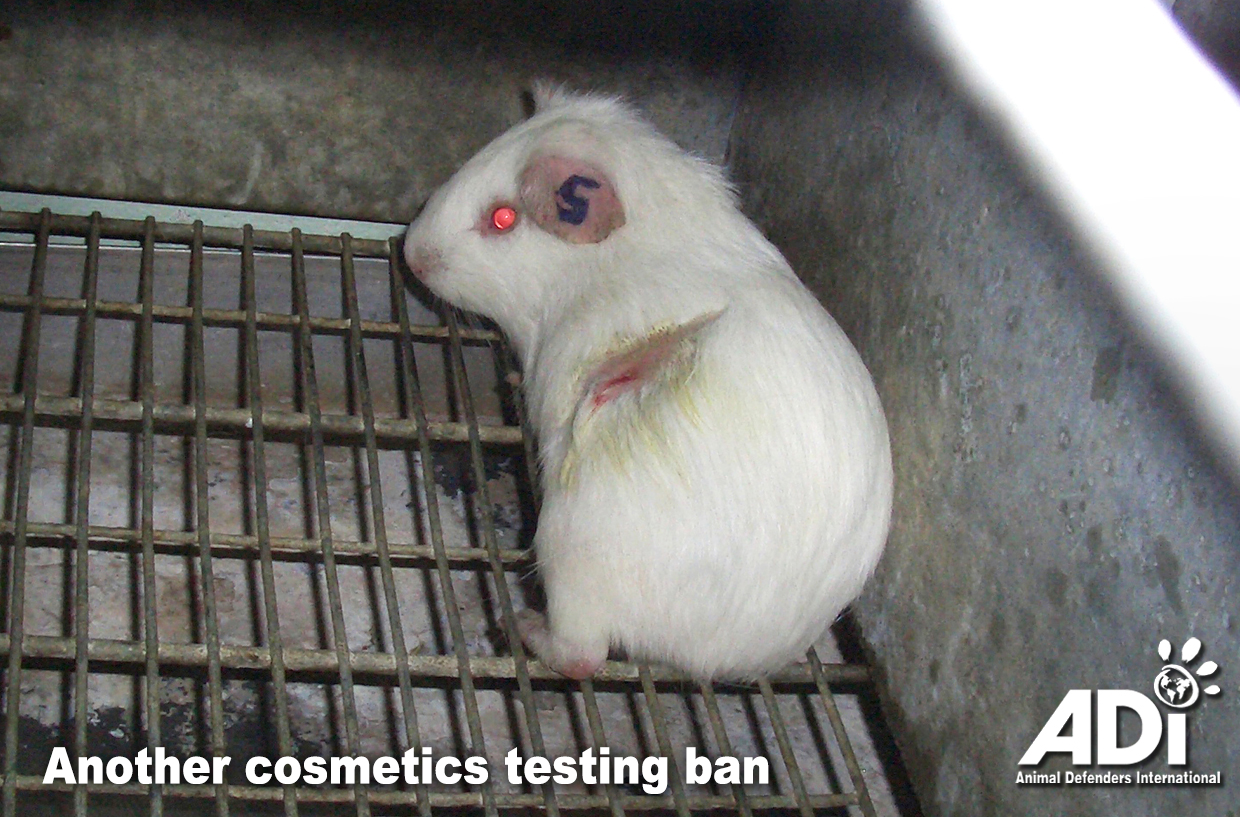
Congressman Don Beyer has reintroduced the bill aiming to end animal testing for cosmetics in the US and ban the sale or transport of any cosmetic products tested on animals. Eleven US states and 44 countries worldwide have rejected these horrific and unnecessary tests. It’s time for a federal ban. ADI has emailed all Congress members, in support of the bill. Please contact your representatives and urge them to support HR5399 today

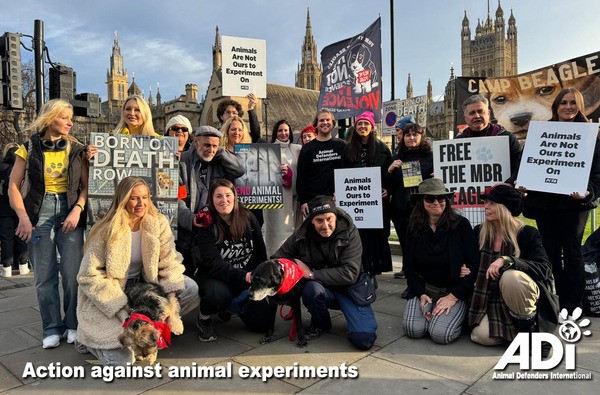
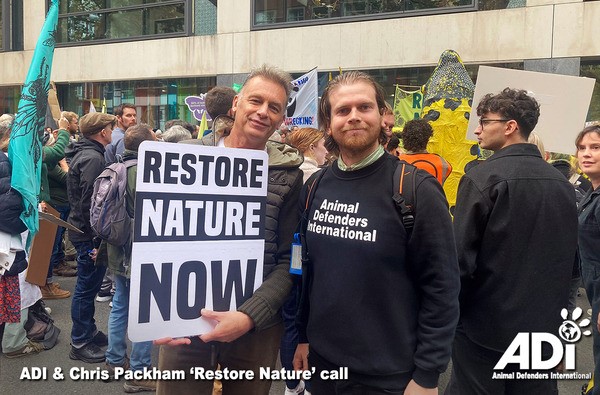
Last week ADI and 30 conservation and animal protection groups joined with TV presenter and conservationist Chris Packham outside the UK’s Department of Environment, Food & Rural Affairs (DEFRA) HQ, calling for action to protect nature. The protest coincided with publication of the ‘State of Nature’ report which revealed one in six UK species face extinction and pollinator populations are collapsing.

Long tailed macaques are being pushed to the brink of extinction by the animal research industry with suppliers continuing to restock their factory farms from the wild. The latest UK statistics reveal a third of lab monkeys came from wild caught parents, despite promises to eliminate this destructive trade. Mauritius and Vietnam are two of the main exporting countries, where ADI investigators exposed the dealers. We’re calling on the EU Scientific Research Group on Wildlife Trade to review whether imports of macaques from these countries as well as from Indonesia, Cambodia, and the Philippines fulfill EU trade regulations – and urging it to reconsider its decision to lift the trade suspension for imports from the Lao People’s Democratic Republic. ADI secured a promise to phase out the use of F1 monkeys (born of wild caught parents) in the last EU Directive on animal experiments, but this undertaking has not been delivered.

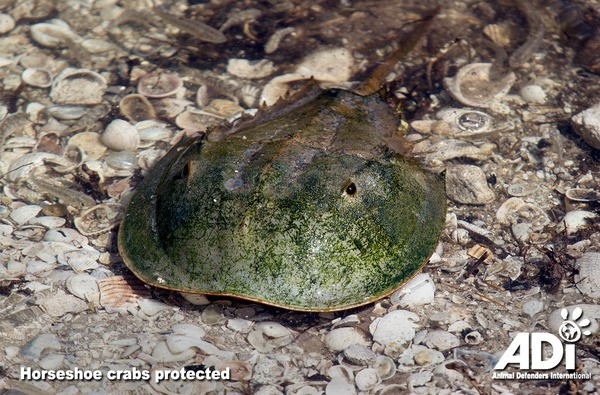
GOOD NEWS: In the US, it is now illegal to take horseshoe crabs from Connecticut’s beaches, with safeguards extended to other shores including New York State. This ancient species faces many threats including capture to take blood for use in product safety testing (alternative methods are available).

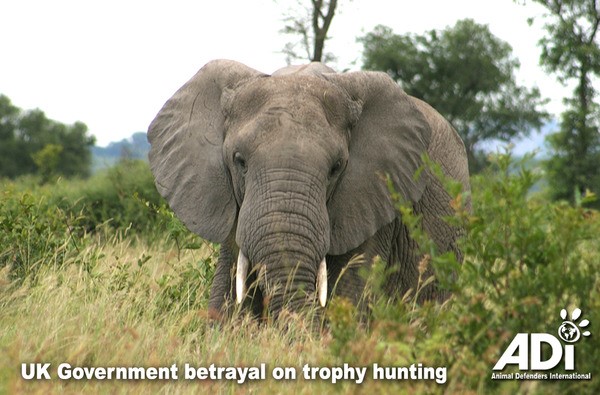
In a blatant attempt to force the UK Hunting Trophies (Import Prohibition) Bill out of time, a small group of pro-hunting peers tabled a raft of amendments during the Committee Stage in the House of Lords. They refused to have these grouped for discussion, stalling for time by giving extended speeches supporting trophy hunting. The end of this parliamentary session is just weeks away, and the bill is now unlikely to pass. The day after the bill’s fated hearing, ADI and members of the Coalition Against Trophy Hunting stood outside Parliament with supportive Peers and MPs to urge the Government to fulfil its promise of a ban four years ago.

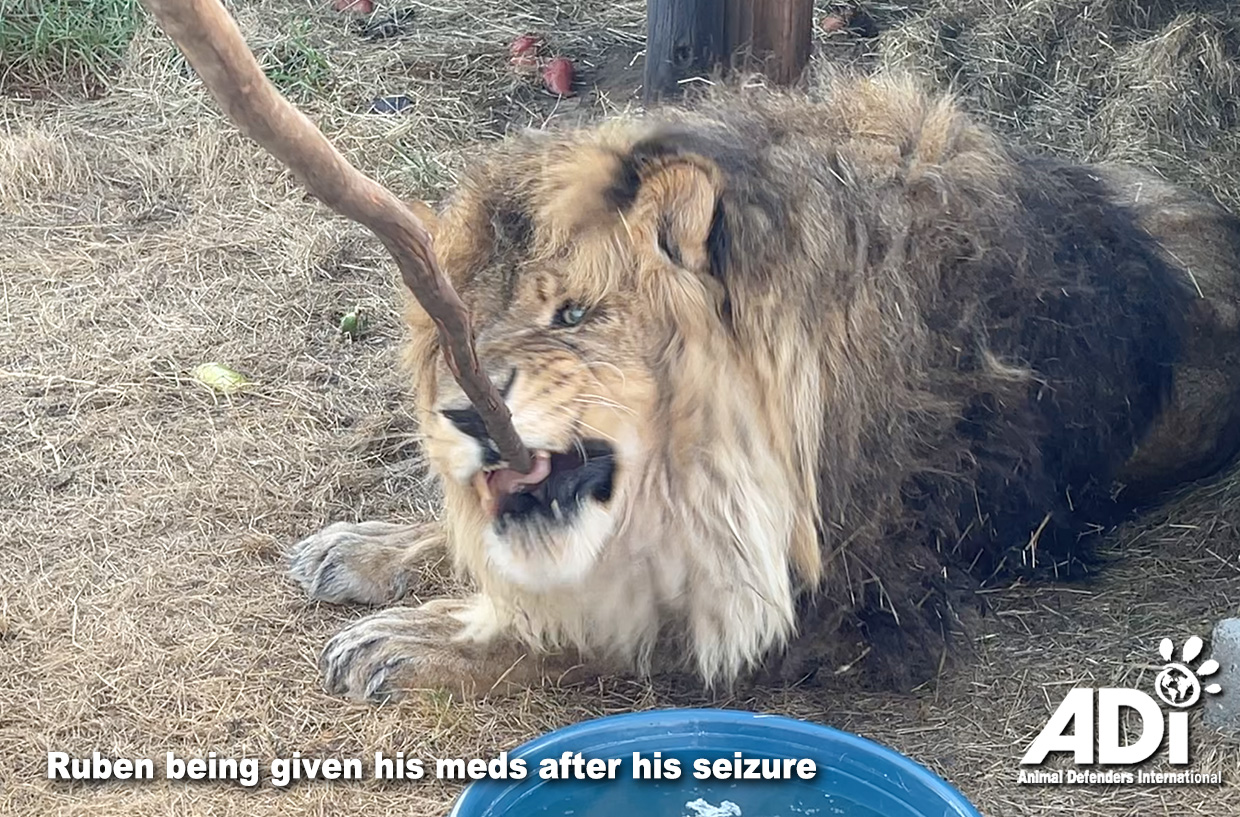
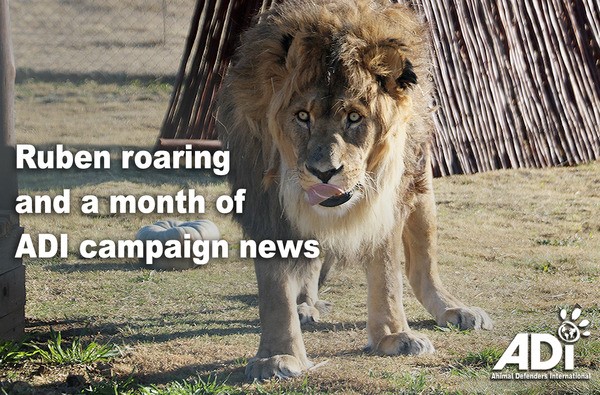
“Fabulous” was Dr Peter Caldwell’s reaction when he recently checked on Ruben. Ruben’s determination to walk and play with his toys at the ADI Wildlife Sanctuary has been an inspiration. Dr Caldwell noted how our habitat design and enrichment were all helping Ruben’s progress, and although there are still issues with his walking, he is steadier, his balance is better, and his spine has improved. In about three months’ time, Ruben will be sedated for a full assessment and probably dental work with Prof. Gerhard Steenkamp. In the meantime, his physiotherapy continues.

See how much Ruben has improved and make sure to subscribe to our YouTube page for more updates. 

ADI is changing the world for animals by publicizing what happens to animals, educating the public about the intelligence, emotions, and rights of the other species sharing our planet, rescues, and securing lasting animal protection through legislation. Please help us

August: The month that Ruben came home and more

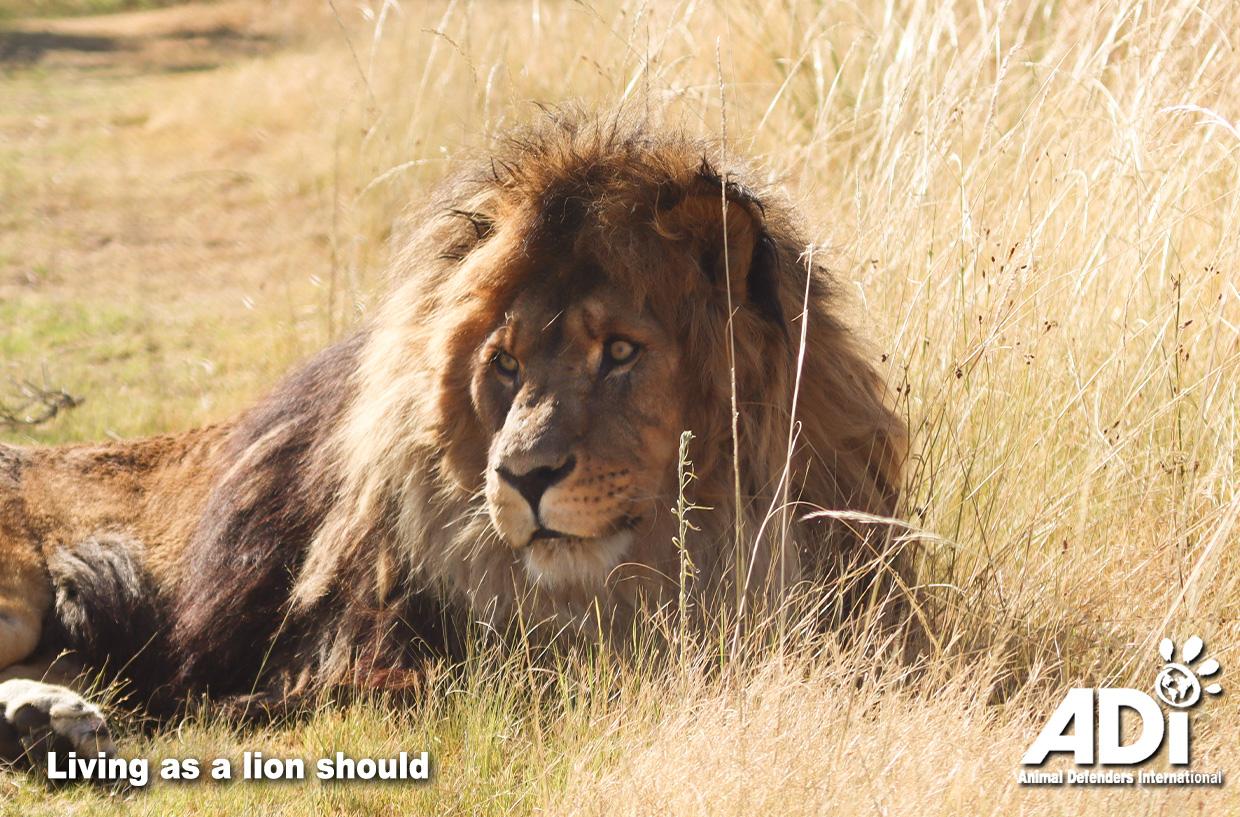
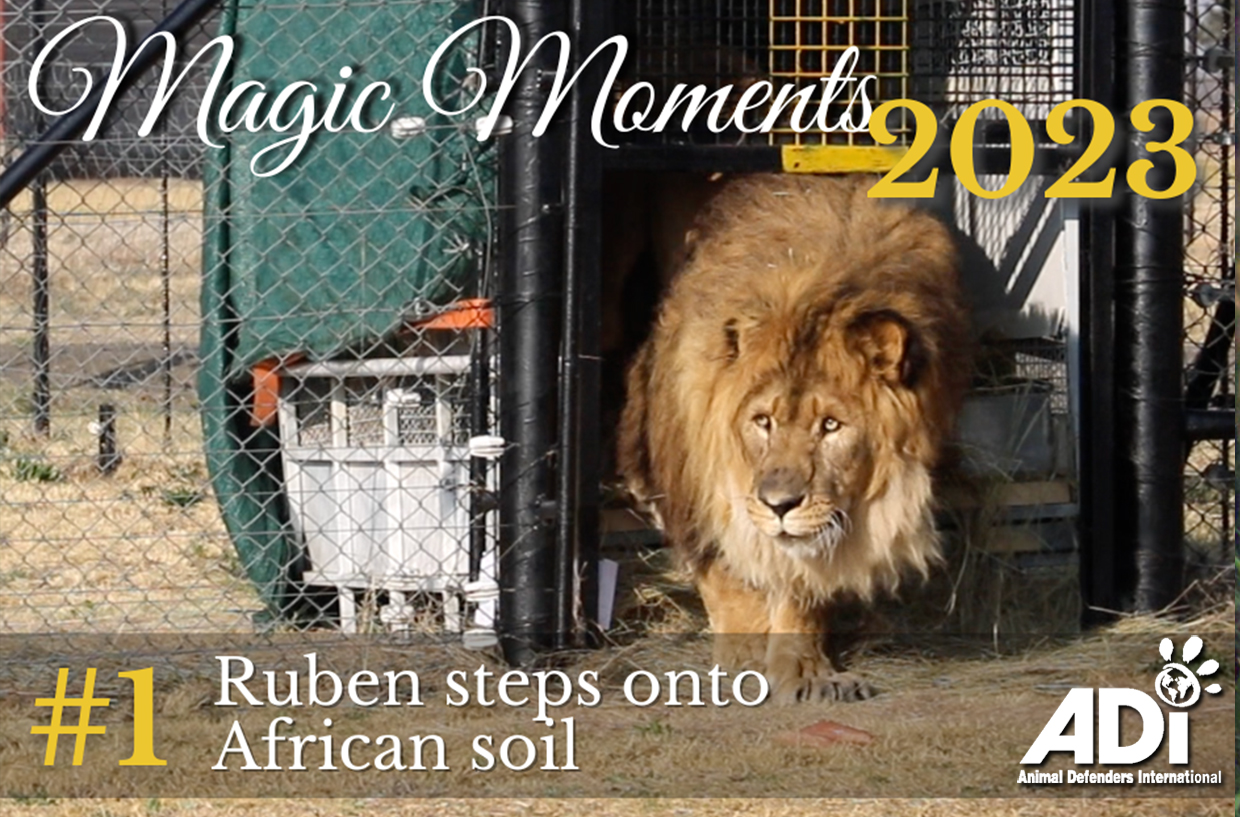
August was the month everything changed for lonely lion Ruben when he made his journey from Armenia home to Africa and a new life at the ADI Wildlife Sanctuary. We have all marveled at the bravery of this battered old warrior, driving himself forward on his wobbly legs and playing with his toys.

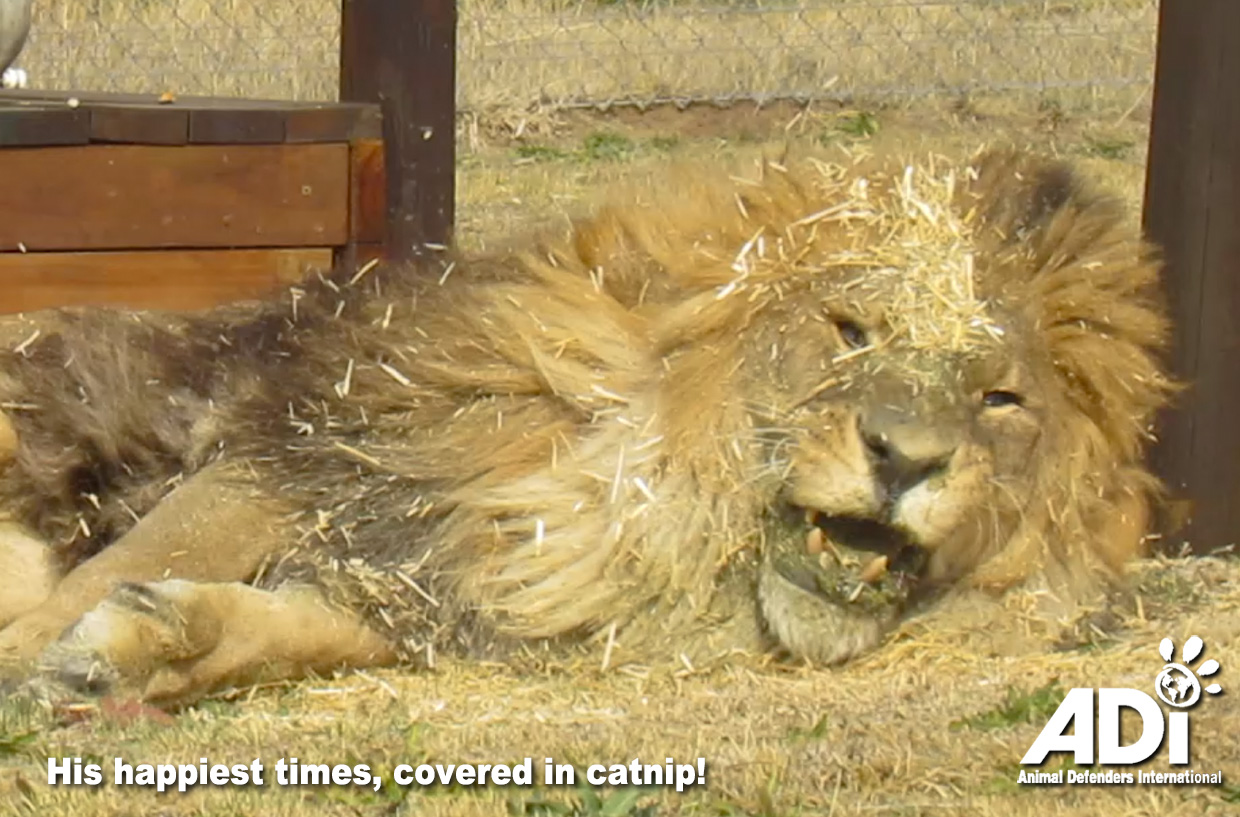
Ruben’s chance of a new life had looked in jeopardy, until Qatar Airways’ Cargo WeQare charity scheme stepped in, donating space on two flights to bring him home. After his long journey, we finally saw him step from his travel crate onto African soil, play enthusiastically with a giant catnip toy, and heard his roar grow a little louder with each day.

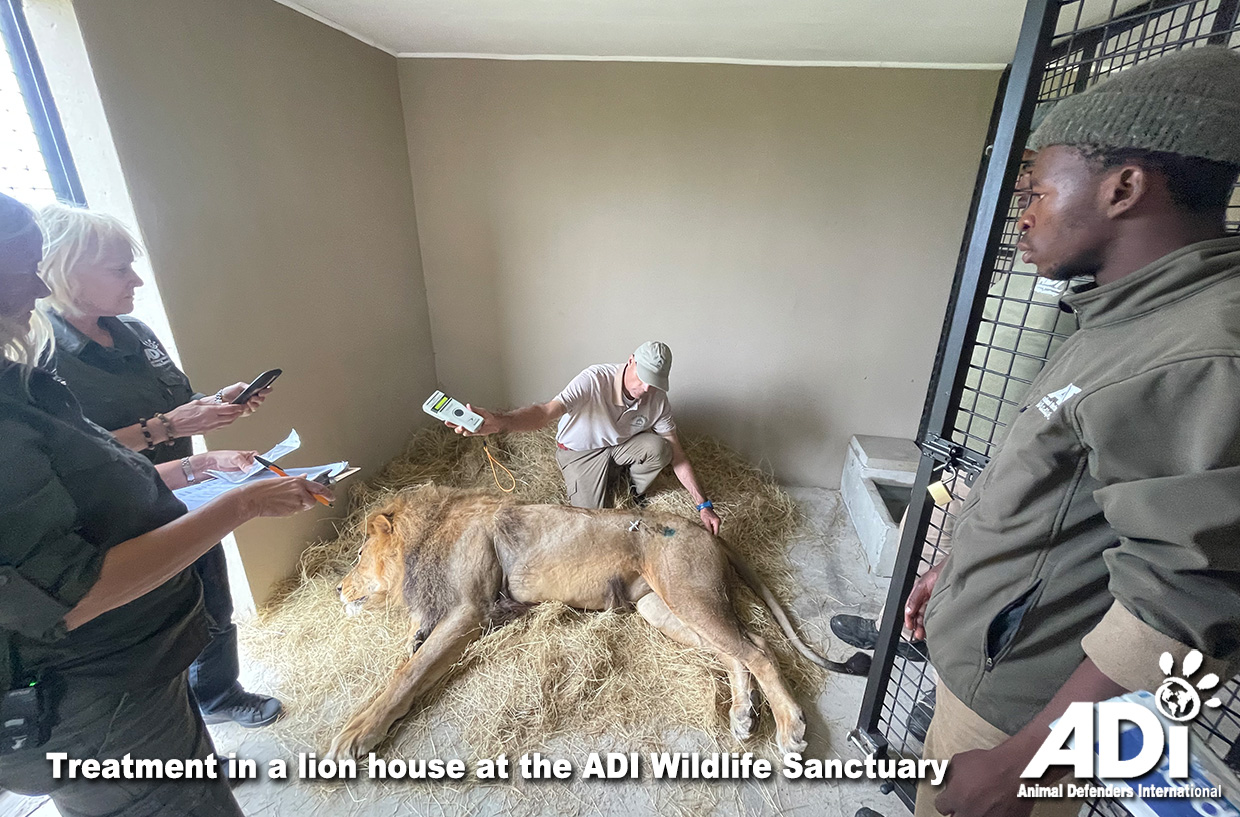
Due to a lifetime of poor nutrition, he has spondylitis, an inflammatory disease which can cause bones to fuse, exacerbated by confinement and lack of exercise, leaving his legs weak. This causes him difficulty walking and his spine is arched. Dr Caldwell has examined and prescribed vitamins, minerals, and supplements to support his body and, with more space than he has ever known, his mobility is already improving.

His face and demeanor have transformed as he has relaxed.

Watch: Ruben’s arrival at the ADI Wildlife Sanctuary.

Watch: Ruben’s first roar
​​​​​​​
To support Ruben’s care, please donate here.

But August wasn’t just the month for Ruben, ADI’s vital work continued around the world as we battle for those like Ruben. Here’s just a few examples…

Heartbreak as chimpanzees Pancho and Chita were shot dead after escaping from a zoo in Colombia. Pancho and another chimpanzee Karla had been surrendered to the zoo after ADI investigators filmed their abuse in a circus – we tried to get them to a sanctuary, but our efforts were blocked. The horrific footage of Karla being beaten with a chain and punched led to Colombia’s ban on wild animals in circuses. After the deaths of Panco and Chita, ADI demonstrated at the Ministry of the Environment and met with the Director of Forests.

Please join our call for the surviving chimp at the zoo, Yoko. To be relocated to a sanctuary. Email servicioalcliente@ukumari.co. Sadly, we have learned that Karla passed away last year.

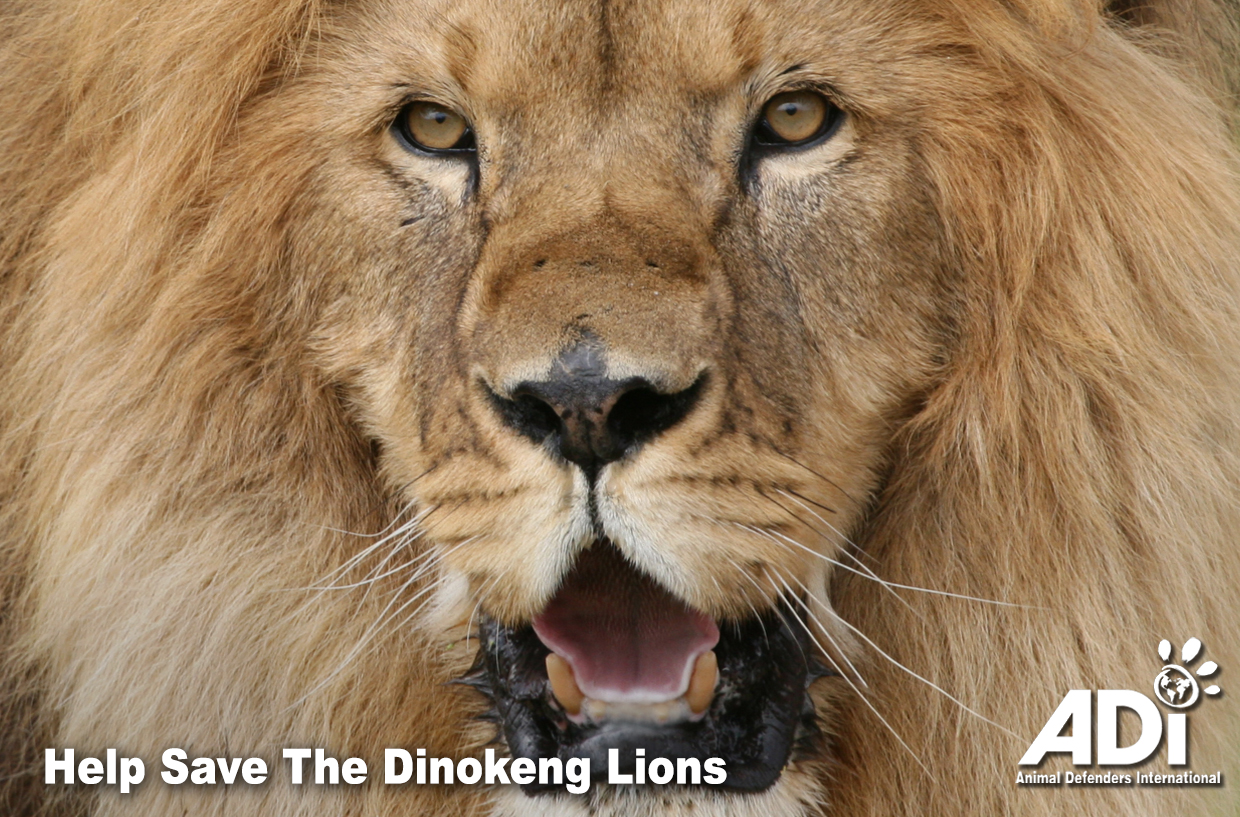
ADI has called for three wild lions to be spared after an employee of Dinokeng Game Reserve in South Africa was killed by lions after defying regulations and walking in the reserve at night. A tragedy, but another may now be added after an application to euthanize the lions. Please sign and share the petition to save the Dinokeng lions.

Great news: Governor Kotek signed Oregon’s bill to ban the sale of new cosmetics tested on animals, making it the eleventh US state to embrace cruelty-free legislation. The ban will take effect on January 1, 2024. If you live in the US, please urge your Congress members to reintroduce the Humane Cosmetics Act to ban cosmetic tests on animals nationwide.

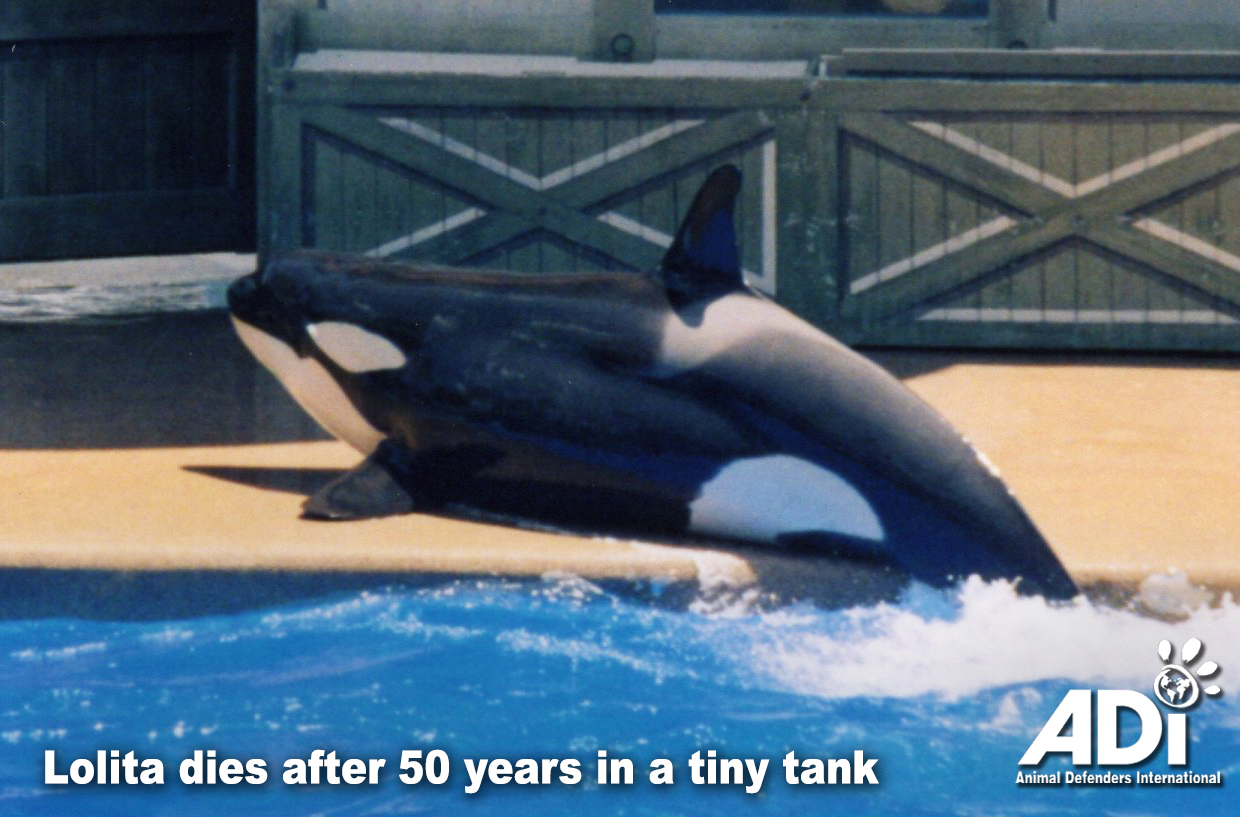
Lolita, also known as Tokitae and Toki, never got her happy ending. In March, after her deteriorating health meant she was unable to perform, Miami Seaquarium finally announced plans to move her to an ocean pen within two years. She never made it, dying after five decades in a tiny tank following her violent capture in 1970 at just four years old. In the wild, orcas swim up to 140 miles a day and live with their birth families their entire lives, living up to 90 years old. A victim of cruelty in the name of entertainment. Never visit these attractions and ask friends to do the same.

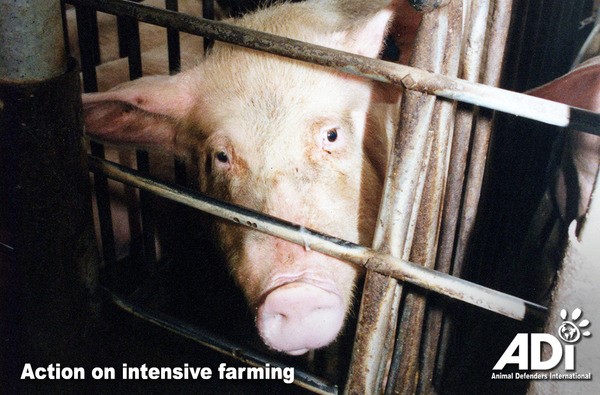
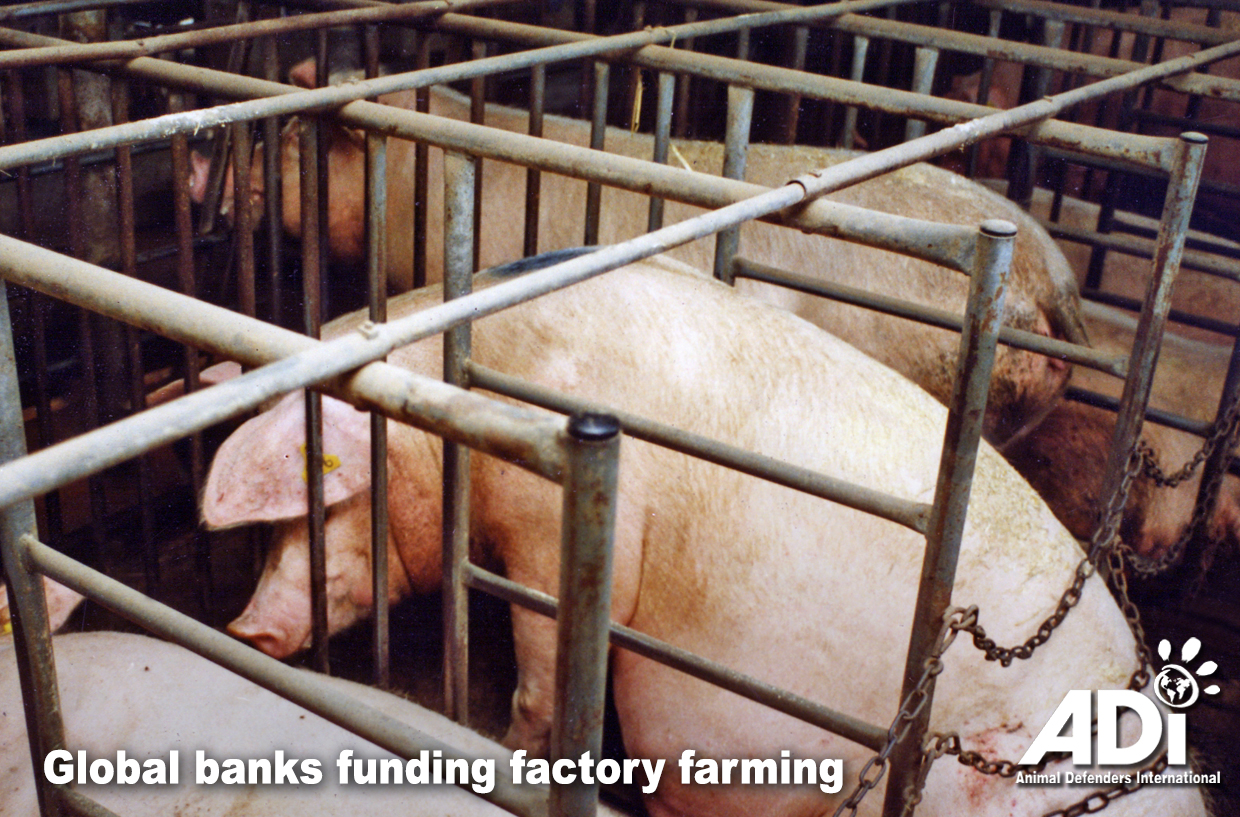
ADI joined forces with other animal groups to urge the International Finance Corporation to stop financing factory farming. In a letter to its Governor, we raised concerns about the Corporation’s recent funding of multi-story pig farms in China, industrial pig production in Vietnam, industrial broiler chicken production in Uganda, and industrial pig and chicken production in Ecuador. The Corporation has paid little regard to the World Organisation for Animal Health’s international guidelines on animal welfare and its own good practice guidelines.

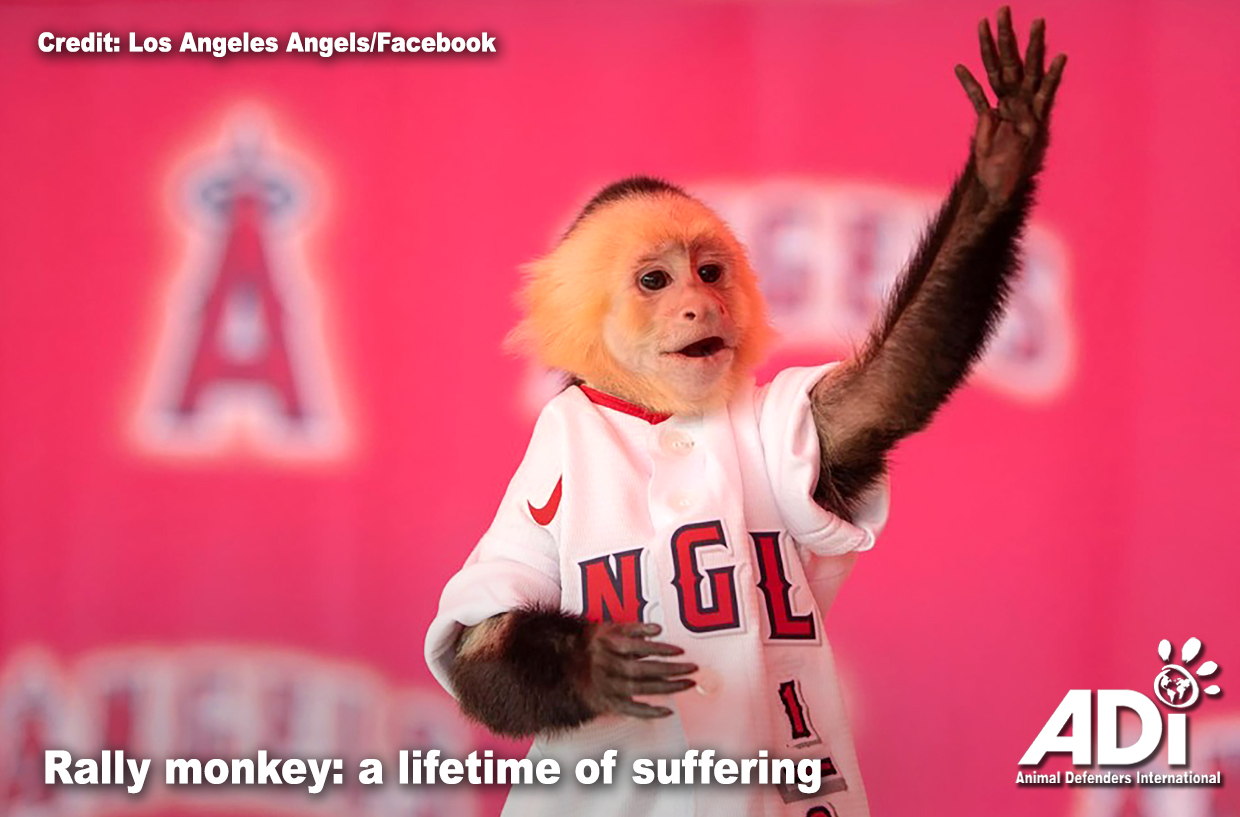
Since 2000, capuchin monkey Katie – who appeared in the TV show Friends nearly 30 years ago – has been used to pump up fans at Los Angeles Angels’ home games. In clips screened at baseball games, she is made to dance and hold signs while wearing the team’s strip. The stadium also uses live monkeys for photo ops. ADI has written to Los Angeles Angels, urging them to stop exploiting wild animals. Join us by contacting LA Angels’ owner Arte Moreno (arte@angels.com) and chairperson Dennis Kuhl (dennis.kuhl@angels.com) today.

The Banana Derby, a cruel race which sees capuchin monkeys strapped onto dogs to emulate jockeys, is currently on tour. This shameful act was at the Lawrence County Fair in New Castle, Pennsylvania last month, and is currently at the Upper South Carolina State Fair in Easley, South Carolina until September 10. Please call or email a polite request to both fairs to cancel the Banana Derby and adopt an animal-free entertainment policy:
Lawrence County Fair: 724-654-7745 / lawcofair@gmail.com
Upper South Carolina State Fair: 864-269-0852 / upperscstatefair@gmail.com
Contact ADI if you see Banana Derby or similar acts coming to your hometown.

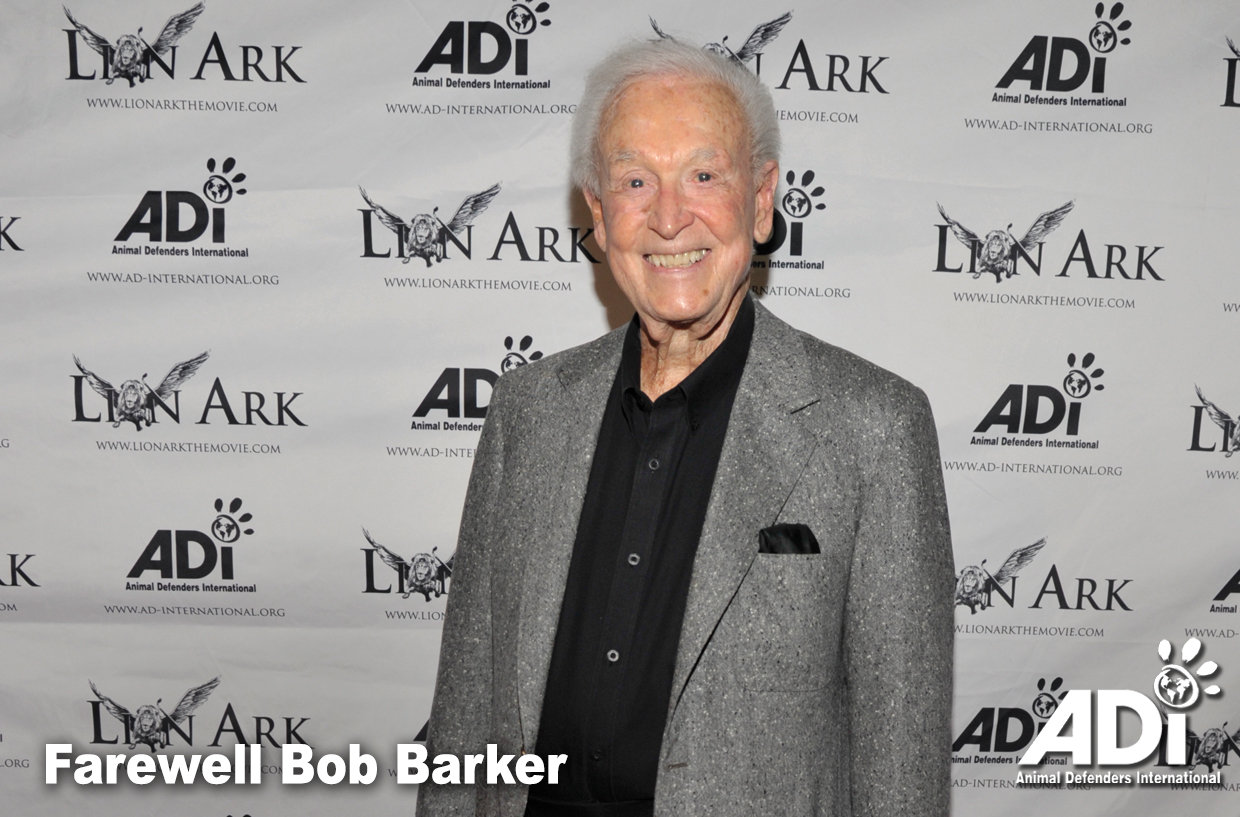
We also said farewell to a giant for the animals, US gameshow host Bob Barker. You will be missed, Mr B. Read our tribute to Bob Barker.

ADI one of the winners of a 2023 Top-Rated Award from GreatNonprofits! We are overwhelmed by the wonderful comments and stories that our supporters posted to secure this prestigious award for the third year running. Read inspiring stories about our work or add your own review here.

That was August, what will September bring? We expect many exciting developments for Ruben as his strength grows and he explores more at the ADI Wildlife Sanctuary, and there will be challenges ahead in our campaigns to end animal suffering around the world.

Please keep ADI fighting for the animals.

The news we’ve all been waiting for!

It’s the news that we have all been waiting for – lonely lion Ruben flies from Armenia to Africa on Tuesday, August 22!

It’s been a big challenge securing a flight from Armenia, as we needed an aircraft with large enough cargo doors for Ruben’s travel crate, and none were available. Thankfully, Qatar Airways’ WeQare charity scheme stepped in, scheduling a wide-bodied aircraft on one of their passenger routes, and have donated space on board for Ruben!

Once he is loaded, Tim and I will be traveling in the passenger section, with Ruben in the pressurized, temperature-controlled hold below. Although we prefer being with the animals, we have traveled in this way before, moving monkeys from Sweden, lions and a tiger from Portugal, and Toto the chimpanzee from Chile to Zambia.

Supporters will recall that we used Qatar Airways Cargo on the 34-hour, multi-stop journey from Guatemala to South Africa, so we are confident they will take good care of Ruben.

Ruben’s flight to freedom will take 14 hours, including a change of aircraft in Doha.

The story so far

Lonely Ruben was left behind when a private zoo closed in Armenia and the other animals were relocated. Ruben’s world fell silent, and his plaintive roars have gone unanswered for the past six years. In just 12 days, when he arrives at the ADI Wildlife Sanctuary, South Africa, his silent world will end, and other lions will roar back.

Since ADI funded his removal from the zoo, Ruben has been cared for in a bear sanctuary run by Armenia’s Foundation for the Preservation of Wildlife & Cultural Assets (FPWC).

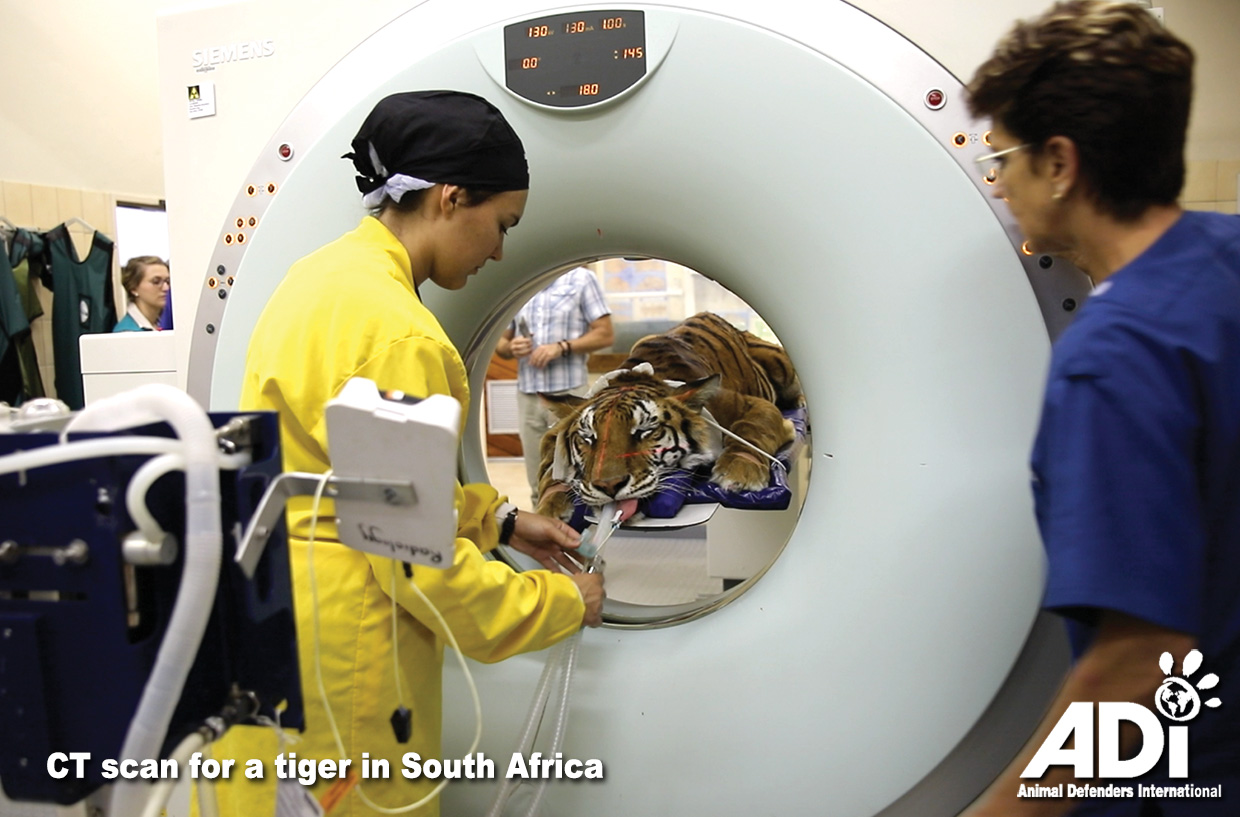
When I visited him in January, he was given a health assessment by veterinarians Dr Harut Hovhannisyan in liaison with ADI’s Dr Peter Caldwell. Ruben has some significant health issues with potential neurological and spinal damage – he will need a CT scan in South Africa. He is unsteady on his feet, and we have adapted a habitat at ADIWS for his special needs, with ramps and lower platforms.

Nevertheless, he was declared fit to fly and we hoped to move him in March, but it took months for the import and export permits to be issued.

Our gratitude to everyone who was touched by Ruben’s plight and has stuck with us during this rescue. Delays, outside our control, inevitably increased the costs and this was coupled with a big increase in care costs for Ruben in Armenia. We had raised a target of $20,000 for phase one of the mission in Armenia, but by the time he leaves, this will have cost us over $51,000. However, thanks to our generous supporters, there has never been a point at which we have been under pressure to drop the pursuit of our shared dream for Ruben’s future. We all stood by him. Thank you.

Everything we raise now will go towards Ruben’s lifetime care, which we hope will be many years at ADIWS, but which will certainly involve significant veterinary costs while Dr Caldwell identifies his problems and looks for treatment. Anything extra will go towards the sanctuary’s daily operational costs, such as security, fences, and habitat maintenance.

If you would like to help, please give here.

Just twelve days to go and Ruben will be stepping out into Africa.

Ruben cannot thank you, but I can – so heartfelt thanks.

A month fighting for animals: animal experiments, battling for bulls, celebrating circus freedom and more

The last few weeks have been as hectic as ever. Sadly the fight against animal cruelty never stops. Here’s just some of the work we’ve been involved in recently.

Our 1998 breakthrough UK cosmetics testing ban and subsequent EU ban were jeopardized in recent years by demands for tests on cosmetics ingredients under EU chemicals (REACH) regulations.

The good news is that that the UK Government have responded to the campaign saying “that no new licenses will be issued for animal testing of chemicals used exclusively as cosmetics ingredients”. An important step, but the urgency of implementing non-animal testing methods in more regulation and creating consistency is vital.

Thousands of thrill seekers poured into the Spanish city of Pamplona for the annual San Fermín festival, an event based on the ritualized abuse and slaughter of innocent animals. Every day, bulls are forced to run through baying crowds before being tortured to death in a bullring.

We wrote to Cristina Ibarrola, Mayor of Pamplona, urging her to ban this horrific event, and asked our supporters to do the same. Please email pamplona@pamplona.es, marking your email for the attention of Mayor Cristina Ibarrola and letting her know that gratuitous violence towards innocent animals has no place in a civilized society.

Max, one of the tigers ADI rescued from a circus in Guatemala, has been reunited with brother Stripes after a brief hospital stay.

The ADIWS team were given a real scare as the young, 350lb tiger developed breathing difficulties. ADI supporters watched on Facebook as Max was darted, examined, and taken to the hospital for x-rays, ultrasound, and other tests.

We are relieved to say it does not appear to be heart problem or cancer, but he may have feline allergic bronchitis or asthma. Stripes was thrilled to see Max on his return, greeting him with a delightful series of chuffs. Watch the veterinary team in action in our Facebook Live.

The ADI Colombia team marked the tenth anniversary of the country’s wild animal circus ban with a meeting packed with campaigners to hear talks and see films.

Back in 2013, ADI’s investigation into the South American circus industry horrified the public and forced government action. The landmark ban in Colombia opened the door to further animal welfare laws there, including the banning of cosmetics testing on animals and the ending of trophy hunting.

Through ADI’s Operation Spirit of Freedom, we brought 33 of the lions rescued from circuses in Peru and Colombia back to Africa. We are sure that two survivors from that mission, Easy and Bumba, from a circus in Colombia and now at the ADI Wildlife Sanctuary were celebrating too.

In the US there are currently state-wide bills to end circus suffering in Illinois, New York, Pennsylvania, and Massachusetts, where three bills were just heard in committee this week. ADI testified in support of MA bills H3245 / S2189 / S2197, to ban the use of elephants, big cats, primates, giraffes, and bears in traveling exhibits and shows.

Local and state bans have significant impacts, but a nationwide circus ban is essential to eliminate the suffering. See how you can help.

Latest government statistics show 2.76 million scientific procedures were performed on animals in UK labs in 2022 – a drop of almost 10% and the lowest since 2002 but highlighting the failure of a sector of the research community and regulators to embrace novel alternative methods (NAMs) to replace animals.

Almost half of the procedures, 1.25 million, entailed the creation of genetically modified animals – mainly mice (86%). 1,820 monkeys were used in experiments, a third of which were f1 (born of wild caught females) demonstrating the failure to phase out the use of such animals, allowing the monkey factory farms to continue re-stocking from the wild.

Over 4,000 experiments were performed on dogs and, as with monkeys, were mainly for tests demanded by regulators such as toxicity testing.

The number of “severe” procedures – representing the highest level of suffering, increased to almost 100,000. The suffering of these animals must have been unbearable.

New Jersey has just passed a bill to ban the extreme confinement of mother pigs and calves raised for veal. The ban, which will take place with immediate effect, means pigs and calves must now be able to move freely and turn around.

It’s hard to believe the meat industry had to be legally forced not to confine sentient beings in cages so small they can only stand or lie down, but at least this is an infinitesimal step in the right direction.

There were cheers in the ADI offices when the UK’s Animals (Low Welfare Activities Abroad) Bill passed its second reading in the House of Lords and moved on to committee stage. The bill will prevent the promotion and sale in the UK of cruel activities overseas, such as elephant rides to tourists.

Good news and bad news in the horse racing industry. The good news: the Singapore government announced the end of horse racing in the city-state after 180 years. The bad news: two horses died within 24 hours at New York’s Belmont Stakes after suffering “catastrophic” injuries. Over 200 horses have died on US racetracks so far this year; while in the UK the death toll currently stands at 106.

Urge your local and federal legislators to support legislation to protect racehorses.

Head into the weekend with a smile – check out our big cats playing with – well, destroying! – some cardboard boxes. Watch the video now.

We need your support

As you can see from this e-alert, with your support ADI is making a huge difference for the animals. We work around the clock, 365 days a year, to rescue and rehabilitate, to lobby and educate. We can only continue to do this with your help.

Our work depends on caring people like you. If you love animals as much as we do, and you believe in what we do, please support us.

No amount is too small to make a difference – please donate now.

Winter at the ADI Wildlife Sanctuary

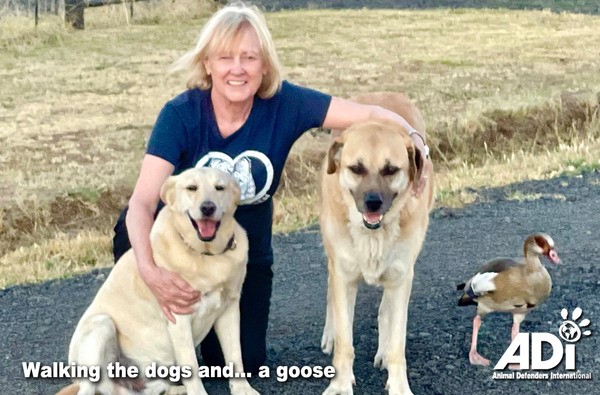
As I walked the ADI Wildlife Sanctuary dogs, Milo and Rollo, at sunrise, I thought about how much we have all achieved together. I am incredibly grateful to everyone who has been supporting our emergency appeal and enabling the Sanctuary to keep moving forward, keep building and preparing for Ruben and several other potential rescues we have been asked to take.

Winter is here in South Africa, and July is the coldest month of the year, but we are prepared with our winter protocols! The lion and tiger dens have been insulated with heavy rubber and bales of hay, and the soft teff hay bedding is piled high inside the dens and the night houses. Some of the night house doors have been closed and blocked with hay bales to stop the icy wind from getting into the house. Older residents like Leo, Tarzan, and Tanya are kept in the feeding camps overnight to ensure they sleep in their houses.

The days start frosty, but then are mainly cool and sunny – sometimes the sun gets quite warm for a while. The nights are very cold. The lions are going to bed earlier and getting up later, yawning and basking in the sunshine. The tigers are similar, but much more active.

We are still waiting for Ruben’s South Africa import permit, but I have good news! This weekend, the CITES wildlife officials are coming to inspect the sanctuary to make a decision about his permit. Normally after this our import process accelerates!

Ruben’s habitat is ready. He has a heated floor in his house to keep him warm at night, so we can move as soon as we have permits and a flight. The extended stay in Armenia has loaded us heavily with extra costs for the rescue. If you can, please give a special donation for Ruben, so that there are no unnecessary delays when we get flight details. Everything extra will go towards his lifetime care.

It’s the right thing to do for us to have reliable power, as well as for the environment – solar power will give the sanctuary energy security. We are currently facing daily power cuts/outages called “load-shedding”. These impact the whole of South Africa.

A huge thank you to everyone who donated to our solar appeal and kept this sanctuary project on track, enabling us to install over $8,000 of solar power cabling connecting the houses, offices, and feed prep areas. If we had been forced to halt the installation, it would have increased overall costs dramatically. Thank you.

The good news is that by next winter, we will be able to overhaul our heating for lion and tiger houses as our family of animals continues to get older.

Accommodation for our resident and environment welfare teams is vital to the future of the sanctuary. After delays due to an excessive rainy season, the site has been leveled and the foundations laid for the prefabricated building to go up in July and August. Our wonderful teams work hard seven days a week, most living on-site, with a long weekend off once a month. The on-site team has been sharing rooms in the old farmhouse which we plan to develop into the Jean Warner Sprague Education Center. They deserve their own space to eat and relax at the end of a long day.

The new Tohir Staff Village will provide individual rooms for our team, each with a shower and toilet. There will be a shared kitchen and laundry, and a common room. The facility will be fully solar powered and recycle and filter grey water – for watering trees, cleaning, and firefighting.

Once our team moves out, we can develop the education center, vital for school visits and campaigns, and we will also work on our volunteer and guest house, Chris Lee Lodge, which will generate much-needed income for the ADIWS. At present, we use both buildings to accommodate our team, as well as the construction teams who must live on-site due to our remote location.

It has lifted our spirits to see Smith looking more like his old self. Smith’s heart condition is serious, and we are in uncharted territory in terms of treatment. Under veterinary instructions, Smith is in our quietest habitat, Sam and Eric, and is now exploring its full six-plus acres. He seems settled and has struck up a friendship with Bumba from Colombia, next door. Smith cannot share his old habitat with Rey as he must be kept calm and quiet but, I am pleased to say, they both seem very settled and can see and hear each other.

We will launch our full-paying volunteer and intern scheme later this year, when most of the building work has been done. The scheme offers our supporters the chance to come and care for the lions and tigers you have helped save. Tasks will include feeding and assisting with medications, cleaning, maintenance, and creating enrichment for the lions and tigers, including making toys like this giraffe made from old cardboard boxes, demolished by Kesari! We can also organize visits to our local wildlife reserves. Email us if you would like to be kept up-to-date with news on the scheme.

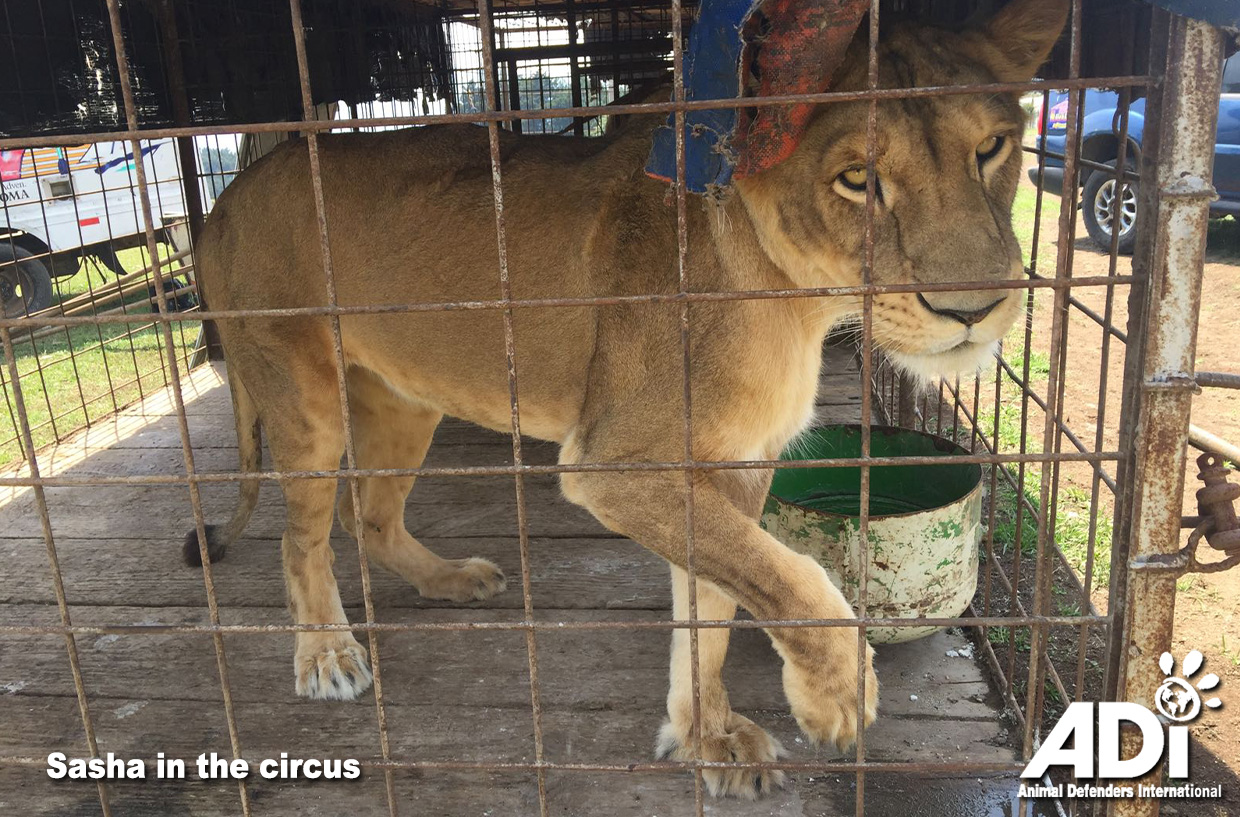
Our play station was originally built to help Sasha lioness exercise her leg following an operation to replace cancerous bone with a titanium implant. When she tired of the toy, we gave the other cats a turn. The play station includes hanging toys and a puzzle with ball inside (Jade managed to get it out!) and has now given Sasha Lioness, Sasha Tiger, Kesari, Chino and Coco, the Cuscos (Kiara1, Amazonas, Scarc, Mahla), Rolex, the Spice Girls (Luna, Jade, Sun, and Moon), Kiara2 and Africa huge amounts of fun. It’s been rebuilt several times and will eventually return to Sasha, who will surely be intrigued by all the different scents.

Huge thanks to Annabella Guiette who sponsored the play station and other static toys we will be telling you about. Sponsoring enrichment is a great way of giving the cats an extra treat! Find out how you can bring joy to our circus survivors.

ADI is facing a perfect storm of financial challenges. A huge drop in income last year has been compounded by financial insecurity caused by the war in Ukraine and the rising cost of living. Challenges like Ruben remaining in Armenia for three months longer than anticipated, with a huge cost increase, have added to our problems.

Thanks to the response to our emergency appeal, we are halfway towards the $200,000 target we must raise this month to sustain our current work. But we must raise the rest.

We have vital developments in our campaigns, such as the bullfighting ban in Colombia, fighting a bill in Peru written to protect cockfighting and bullfighting, octopus farming and trophy hunting – which means we must stretch ourselves further on these issues while continuing to fund the care of our circus survivors in their new African home.

So, I must ask for your help again. Please help us in July with a donation to pay for the care of our residents in our very young Sanctuary or consider setting up a monthly donation: Please donate here.

Donkey rescue and animal news from around the world

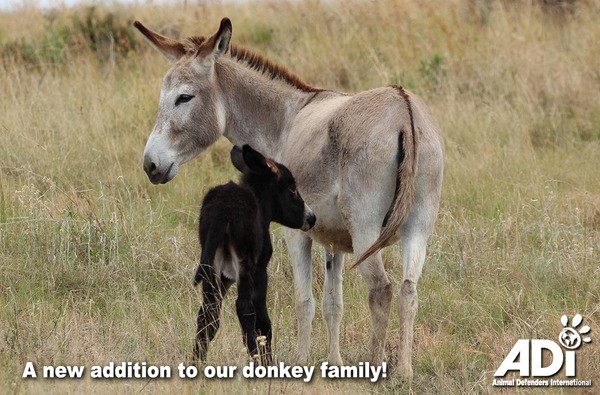
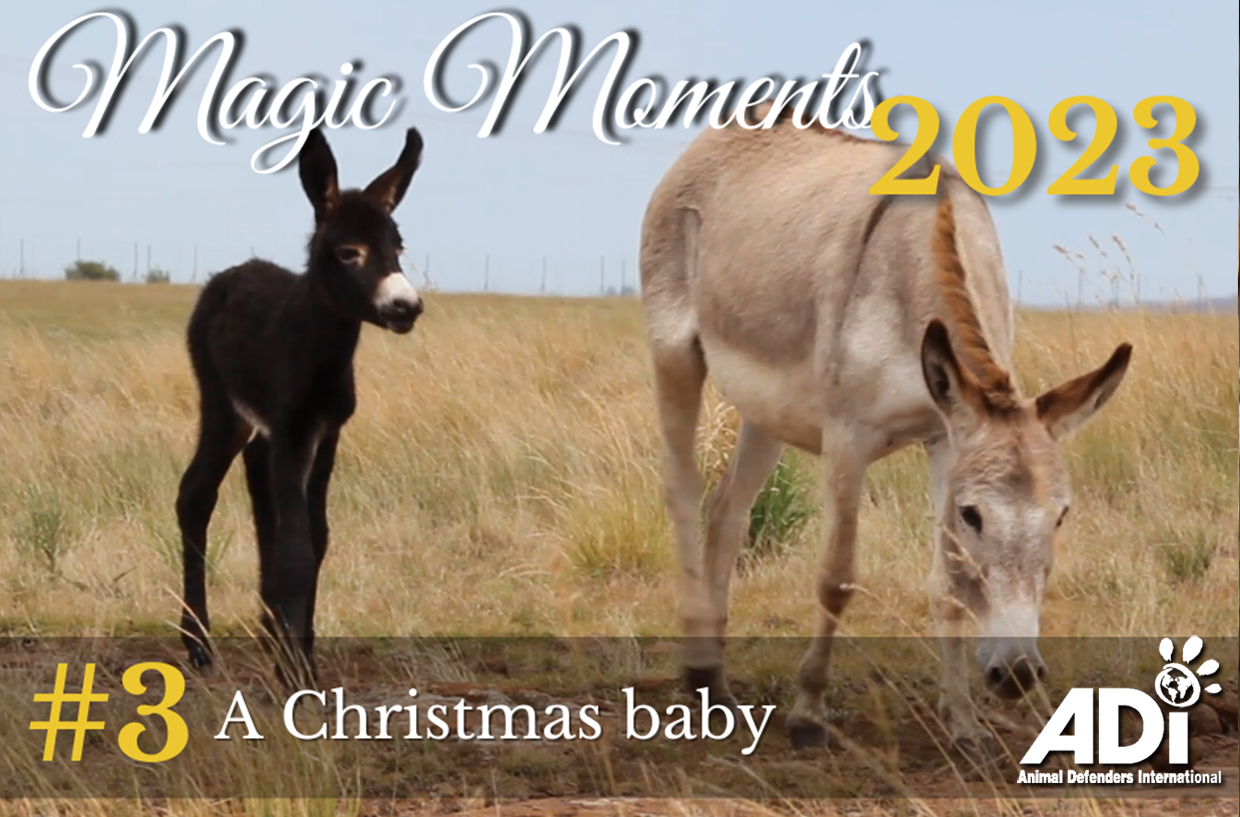
Before I start this month’s round-up of ADI campaigns around the world, I have some great news. A family of six donkeys (above), one male, three females and two foals, that were abandoned when a lodge went into administration, started a new life at the ADI Wildlife Sanctuary (ADIWS), South Africa yesterday!

The SPCA Bloemfontein asked if we could help and when we said “YES”, collected and brought the donkeys to ADIWS. The family bounding off the transporter will surely be one of the magical moments of 2023. They are currently in a four-acre enclosure while we settle them in but will eventually be able to roam freely around the sanctuary. The male will be castrated to prevent breeding.

The export permit for Ruben to leave Armenia and travel to South Africa has been issued. Lonely Ruben, who was left in a deserted private zoo for five years after it closed, is a big step closer to hearing the roars of other lions again at the ADIWS. Ruben will remain in the FPWC bear sanctuary, Armenia, until the move. A special habitat is ready at ADIWS, and we await his South African import permit. Please help Ruben’s big move.
Please help Ruben’s big move.

Dame Joanna Lumley, Alexandra Paul, Mena Suvari and Tonya Kay joined ADI’s call for government action on April 24 to replace the 115 million animals used in experiments worldwide each year with advanced non-animal scientific methods.
Here’s what they had to say.

ADI Colombia marked World Day for Laboratory Animals with a protest outside the Ministry of Health in the capital Bogota. The protestors displayed pictures of animals from ADI investigations inside labs.

This week four lions escaped from a storm-damaged circus cage in Pakistan. They entered a plaza in Lahore, causing panic, and a group of men, reportedly armed with sticks and weapons, set out to kill them. Police and circus staff captured the animals after a few hours on the loose. A month ago, two lions escaped from a circus during a performance in China and were recaptured in the car park. Two weeks ago, a boy was fatally mauled by a lion at a zoo in Gaza after climbing through safety barriers. These are dangerous animals and should not be kept in circus cages or brought into close contact with people.
Email the Pakistan Prime Minister Shehbaz Sharif and urge him to ban the use of wild animals in circuses and travelling acts: info@pmo.gov.pk

As Culpepper and Merriweather Circus toured Indiana and Ohio with its big cat act, supporters called on the circus to adopt an animal-free policy. To stop all wild and exotic animal acts nationwide, please ask your legislators to reintroduce TEAPSPA. Take action here.

The world’s two most famous horse races, the Grand National and Kentucky Derby, saw the deaths of three and two horses respectively. A further seven horses died at the home of the Kentucky Derby in the build-up to the race and there have now been 60 deaths at the Grand National event since 2000. This year, at least 100 racehorses have died in the US, while over a year around 200 horses will die on British racecourses.

Please send your love, thoughts, and prayers to Smith, who we rescued from a circus in Peru (he has no mane because he was castrated in the circus). The huge, beloved lion remains in the hospital where Dr Caldwell has concluded that the root of his ill health issues this year is a heart problem. As our pic shows, Smith is relaxed and eating, but his condition is serious, and Dr Caldwell will do what he can for our boy. We dearly hope that he will be back at the ADI Wildlife Sanctuary soon.

Bill to ban animal tested cosmetics in Oregon (HB3213) passed the state’s House of Representatives and Senate committee stage and currently awaits a vote on the Senate floor.

A bill to ban the sale of fur in Hawaii passed the House and Senate but ran out of time before the end of the session. A ban on the sale of fur products in Rhode Island is currently held in committee for further study. Similar bills are under consideration in Massachusetts, New York, and Washington D.C.
Find out how you can help.

ADI is opposing plans by the Sri Lankan government to export 100,000 endangered toque macaque monkeys to Chinese zoos, although it is feared such a huge number means they are destined for experiments.

A key member of the ADI team for 20 years, Alexis Diaz Limaco tragically passed away in April aged just 50. A new video with interviews with Alexis shows some of the work he played such an important part in. It is an inspiring account of some of ADI’s successes in Latin America, a reminder of the impact that each of us can have for animals, and a chance to hear again the laughter of our friend and colleague.
Watch our video tribute to Alexis.

Climate change is the greatest threat to the environment and survival of many species. To save our planet we need to dramatically reduce global carbon emissions, and the ADI Wildlife Sanctuary is stepping up with plans to be fully solar powered this year. Already, lion and tiger habitats, water pumps, motorized gates, security cameras, and lights are solar powered. Next, a huge installation of almost 100 solar panels at the heart of the sanctuary will power our sanctuary, including feed preparation areas, freezers, offices, accommodation, and in future our education center and film theatre.

Please support this important development which will be good for the planet and provide energy and security for the sanctuary.

You can help all of the diverse aspects of ADI’s work here.

Another Month on the frontline for animals

Another month of ADI campaigns and activity around the world has flashed by. Here’s the news on how together, we are changing the world for animals:

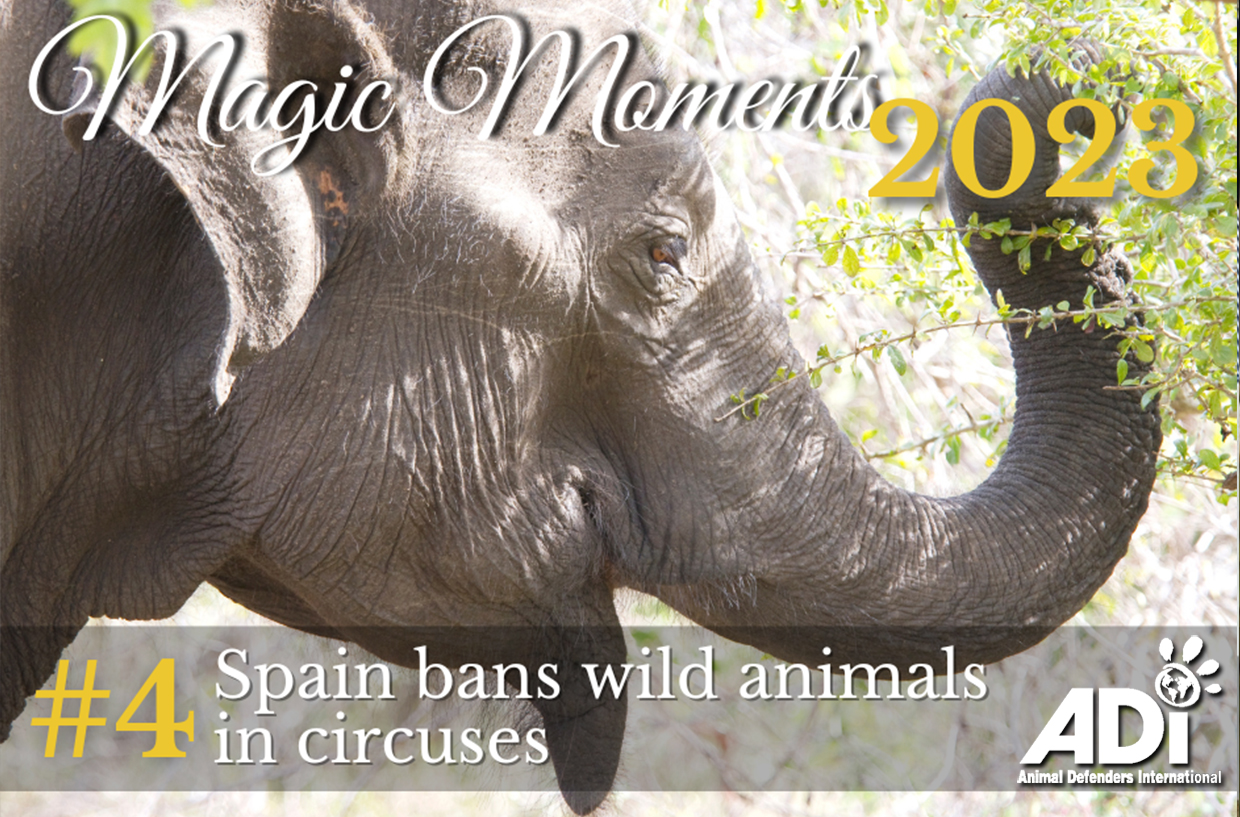
Two decades ago, ADI sent a team to investigate the circus industries of Spain and Portugal. Our investigators moved across the country, monitoring and working inside circuses, securing horrific images of elephants being jabbed in the face with bullhooks, animals whipped and beaten, a dead tiger was dragged from its cage, beheaded, and skinned in front of his cage mates. NOW THE MISERY IS OVER. ADI’s campaign in Portugal won the first ban, and now Spain’s new animal welfare law includes a ban on wild animals in circuses – joining 50 other countries. Isn’t it time the US joined them? Support the reintroduction of TEAPSPA to prohibit wild animal acts in the US.

Two rescued wild tortoises have joined our native leopard tortoise population on the ADI Wildlife Sanctuary, after their rescue from wildlife traffickers. Stolen from the wild, the SPCA saved the tortoises when they were up for sale on the internet and asked ADI to help.
Did you know: ADI has rescued and returned to the wild more tortoises and turtles than any other species (mainly in seizures from traffickers with Peru wildlife officials)?

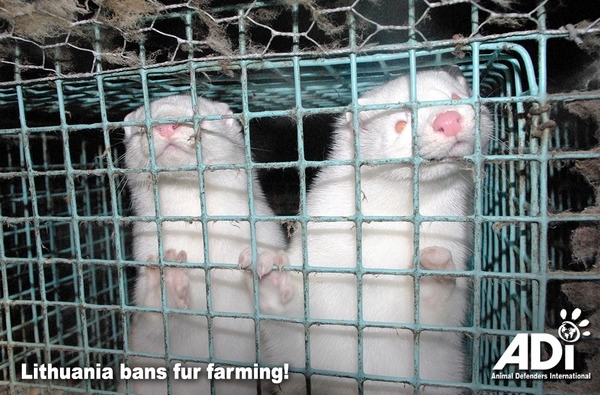
A symbolic victory saw the 300-year-old Hudson’s Bay Company, once the heart of the global fur industry, go fur-free. In Massachusetts, Lexington became the state’s sixth municipality to ban the sale of new fur products, and in Hawaii, ADI is backing a fur sales ban which has passed the state Senate and House and now goes to conference, where the House and Senate must agree on the amendments made to the bill. Other state bills to ban fur sales are being supported in Washington DC, New York, and Massachusetts. If you live in one of these states, find out how you can take action here. In Europe, the European Citizen’s Initiative (ECI) to end fur farming and stop the sale of farmed fur products closed with 1.7 million signatures. The European Commission must now respond.

For the third reading of the UK Hunting Trophy (Import Prohibition) Bill, we joined Ranulph Fiennes, Charles Dance, Vicki Michelle, Peter Egan, Felicity Kendal, Eddie ‘The Eagle’ Edwards, and Marc Abraham at a parliamentary reception with Ban Trophy Hunting. The bill was passed and moves to the House of Lords.
The same day, The Animals (Low Welfare Activities Abroad) Bill, to stop UK advertising of cruel animal attractions overseas like bullfights and elephant rides, also passed its third reading.

ADI’s worldwide investigations of monkey factory farms has exposed miserable welfare, brutality and how western lab importers seem to turn a blind eye. In another twist, eight people, including two Cambodian officials, have been charged in the US with smuggling wild endangered monkeys for experiments and passing them off as captive bred. Now the US Department of Justice has subpoenaed Charles River Laboratories in its investigation into Cambodia’s primate supply chain. In addition, Quebedeaux’s Transport has been shut down by the US Department of Transportation for illegally transporting monkeys. Last year one of the company’s trucks crashed and macaques imported from Mauritius escaped, later captured, and killed.

ADI investigators and lawyers have been working intensely in Ayacucho, Peru to prevent the return of the horrific Jalatoro bull run. ADI previously exposed the event, where drunken, baying mobs punched, kicked, spat at, and tormented terrified young bulls in the streets. Last year’s ban was a huge victory, but ADI learned of plans to stage it anyway this year. ADI Peru has been speaking with members of Congress and officials and held press conferences with former Congressman Urquizo (instrumental on Peru’s animal circus ban) and community leaders, to stop the event proceeding. The campaign appears to have been successful, but ADI is now investigating reports of small, illegal events in the region.

A new anti-bullfighting mural in Bogota will greet members of Congress when they return after the Easter recess. ADI Colombia and Colombia sin Toreo coalition lobbied and staged events at Congress until recess and will be back when Congress resumes work. The bill to ban bullfighting was passed by the Senate and is supported by President Gustavo Petro. It now goes before the House of Representatives. This is a huge battle, with Congress divided by a powerful lobby working to block the ban.

As part of a study of Africa, I had a 45-minute Zoom call with pre-k and kindergarten students from New Jersey’s Lacordaire Academy. The students were able to get up close with our Cusco family (Kiara, Amazonas, Scarc, and Mahla) as I talked through their stories, rescues, and characters. They also got to meet our Resident Welfare Team, who care for our residents every day. Education and awareness are a huge part of ADIWS work, and later this year we will be ready to start the development of the Jean Warner Sprague Education Center, where we will welcome South African schools to study animals and the environment. We are always happy to do live talks to students like this from ADIWS. Get in touch if you are interested.

The UK’s Online Safety Bill aims to place more responsibility on social media platforms to moderate/restrict illegal and harmful content to protect children and vulnerable people. We’re calling on the government to include online animal cruelty content within its scope. This can include dog fighting, to terrorizing animals in fake rescues, to staging puppies or kitten being eaten by snakes. A study has shown children who witness animal cruelty are up to 8 times more likely to abuse animals themselves.

Pima County Fair in Arizona (April 20-30) is to feature a tiger show, sea lions, petting zoos, and a reptile show. Email them at office@pimacountyfair.com and America@pimacountyfair.com. If you’re on Facebook message them here.

A ban on live animal exports and the keeping of primates as pets was promised by the UK Government and the Kept Animals Bill was introduced to parliament in 2021. However, the Bill has not moved since May 2022. ADI is calling for the Leader of the House of Commons and Secretary of State for Environment, Food and Rural Affairs to bring back the Bill. Please contact your MP to press the government to include online animal cruelty in the Online Safety Bill.

After five decades living in Miami Seaquarium’s tiny tank, the company has announced that 57-year-old orca Lolita could be returned to the ocean. The plan is to airlift Lolita to a sea pen in the waters off Washington state, where she will learn to feed herself again, under 24-hour care. Whether it will be possible for her to learn to fend for herself or not, a sea pen will hopefully be a vast improvement on a concrete tank – perhaps she may be able to communicate with other orcas. Her loneliness is hard to imagine. We await developments on this desperately sad story.

With a million species threatened with extinction, the world is facing a biodiversity crisis. Yet, since the Convention on International Trade in Endangered Species of Wild Fauna and Flora (CITES) came into force in 1975, wildlife trade has increased ten-fold. In a joint letter, ADI and others have called on CITES Parties and Secretariat to play a more effective role in tackling the crisis.

More positively, the UN High Seas Treaty has been signed, to protect 30% of the ocean by 2030. This provides a legal framework to establish and manage marine protected areas in the high seas and could prohibit or limit commercial fishing, oil or gas drilling, and other damaging human activities to protect the ocean from biodiversity loss, pollution, and climate change.

Held on April 24 each year, World Day for Laboratory Animals (Lab Animal Day / World Day for Animals in Laboratories) commemorates the suffering of animals in laboratories and it’s an opportunity to show the problems of species differences and how advanced scientific non-animal methods are the way forward for research and testing. This World Day we’ll be calling for positive change to help lab animals and hope we can count on your support! Find out more here. Contact your elected representative and ask them to support a move to advanced technology to replace animals – better for humans and animals.

In a horrific development, there are plans to establish the world’s first industrial octopus farm in Gran Canaria, Spain, with plans to rear a million animals. These complex, intelligent, and sentient animals will suffer terribly. ADI supports the call for an EU wide ban on octopus farming.

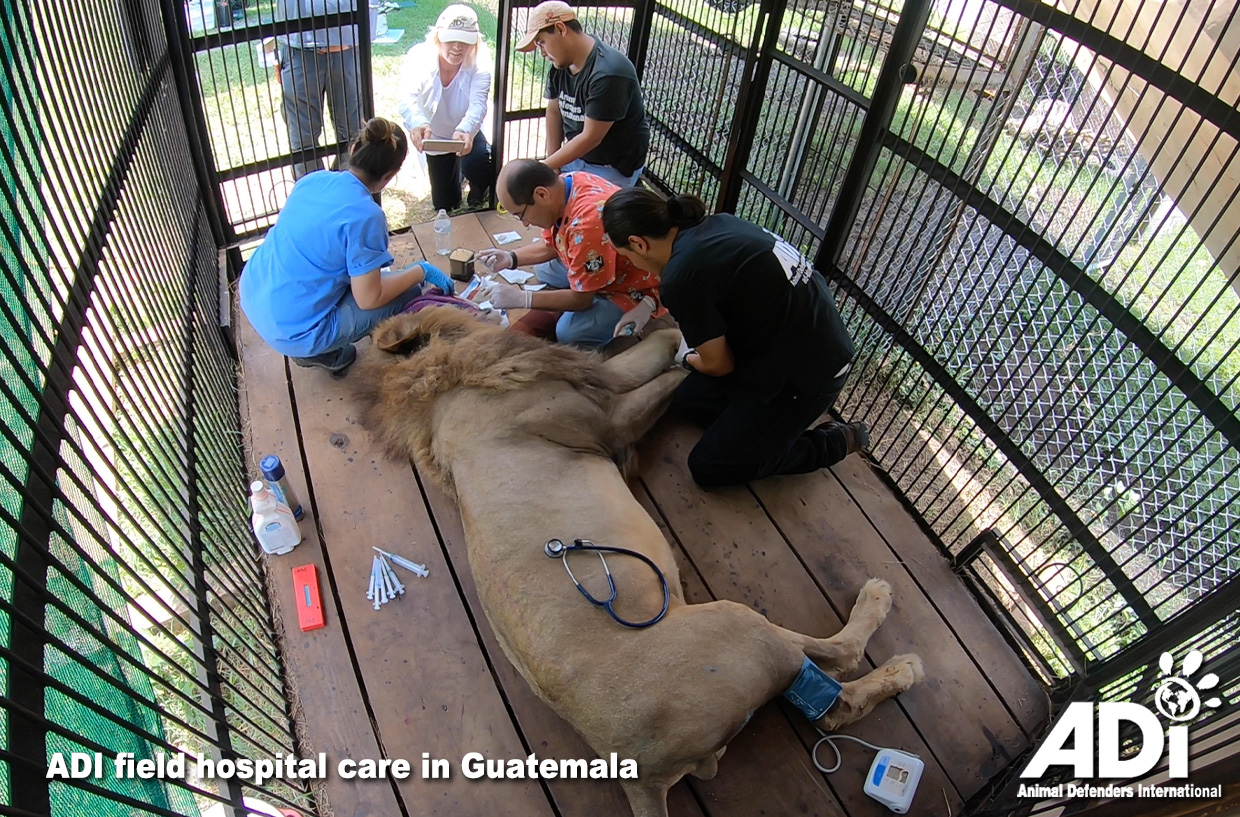
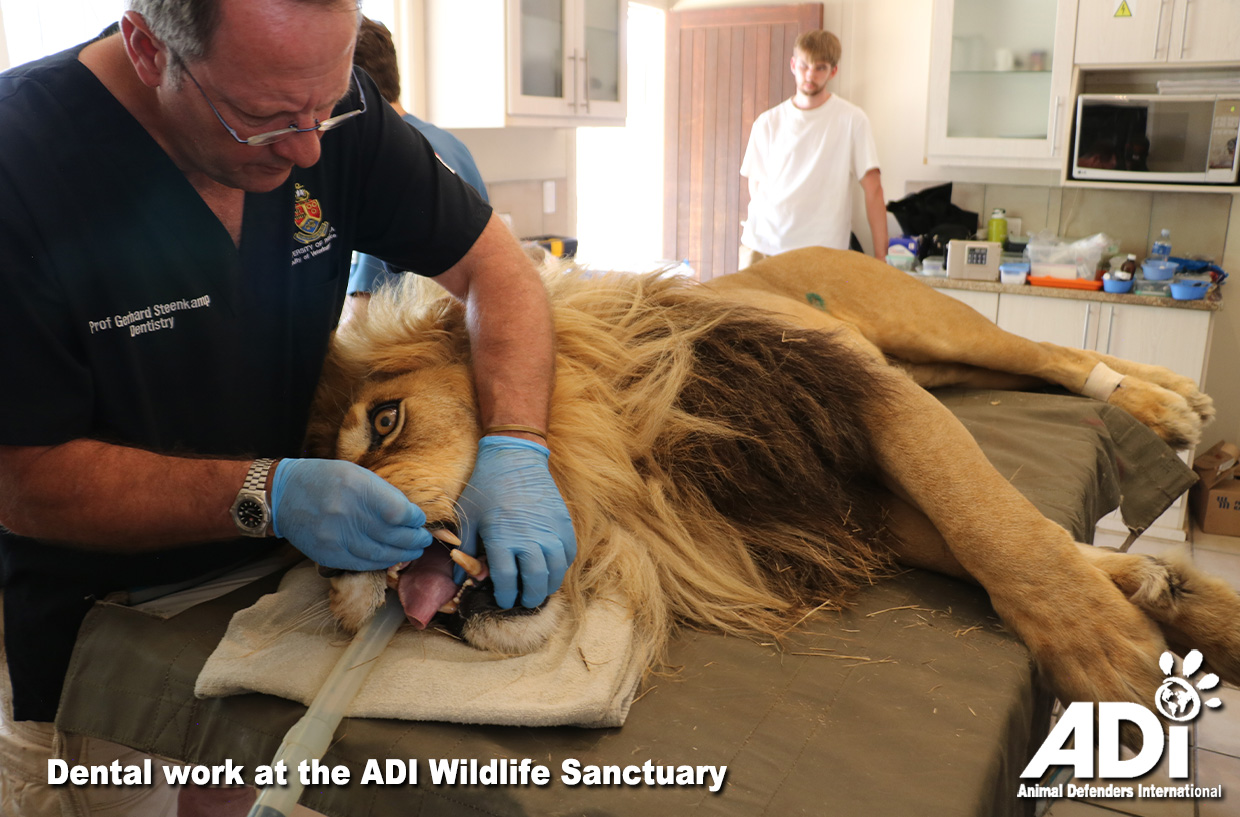
In March, we were live on Facebook all day as Dr Peter Caldwell and Dr Gerhard Steenkamp examined animals and performed dental surgery. Rey Cusco and David both had dental surgery while Tarzan, Tanya, Sasha, Kimba, and Tomas were sedated, examined, and moved to beautiful new habitats. The key events from the live broadcasts have been compiled into a video giving a great insight into the sanctuary. It has the added bonus of seeing the animals in their new homes at the end. Watch here.

AND FINALLY – Welcome to Milo!
Many of you will be familiar with our lovely sanctuary protector, Rollo, the lovely Anatolian/cross dog who came with the property and monitors the humans, ducks, chickens, turkeys, and guinea fowl to ensure we are all in order. We always planned for Rollo to have a rescued friend, but the COVID shutdown put all our plans on hold. We are delighted to welcome a new rescue, Milo, who has proved to be a great friend for Rollo and learning his guard dog duties.

As usual there is not enough space to cover all the campaigns to protect animals here, but do follow us on Facebook, Instagram, and Twitter, where we publish daily updates.
​​​​​​​
Our campaigns are vital for bringing lasting change and enabling us to rescue animals, please keep us on the frontlines for animals with a donation for this essential work. Donate here.

The last 30 days working for animals

The months seem to fly by as we continue to work for animals across the world. Here are some of the highlights and progress, thanks to the work made possible by our supporters.

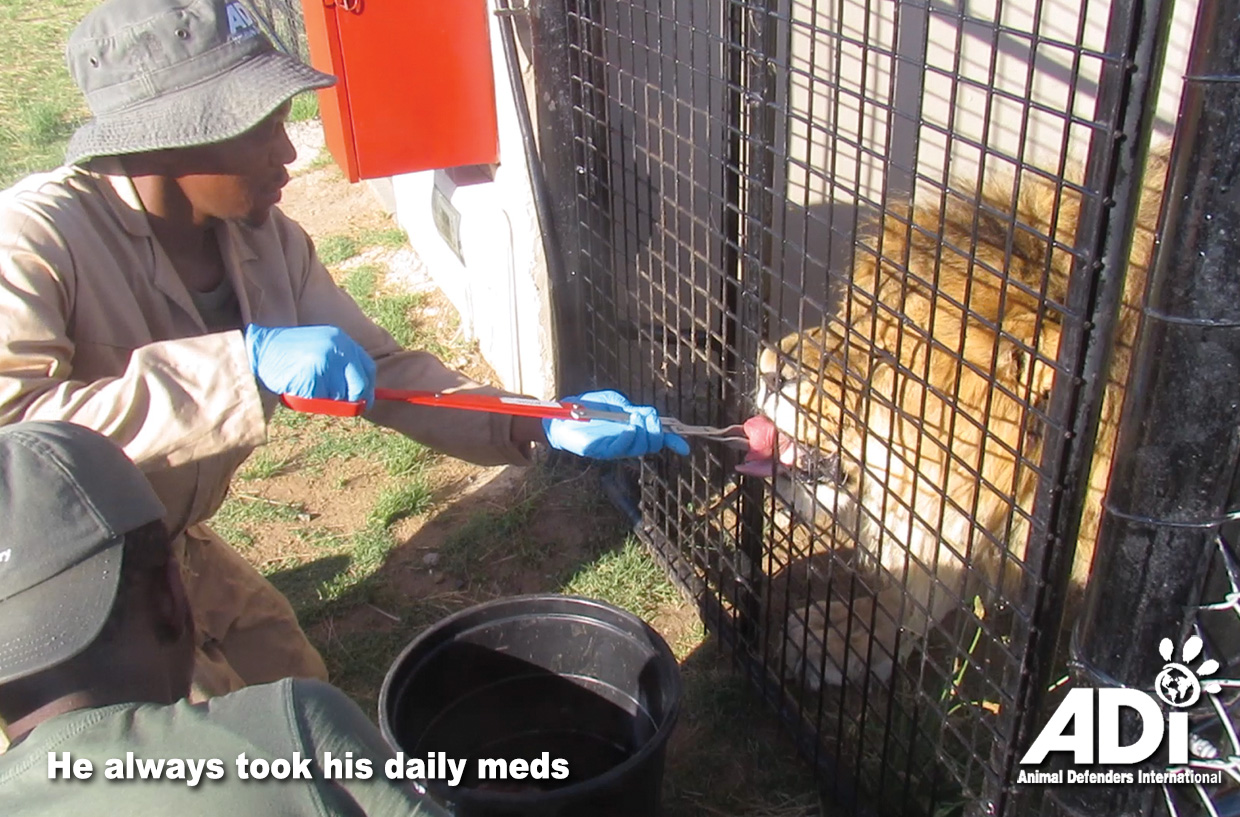
Smith is steadily returning to his old self after a hospital stay for a gastric problem. On his return to the ADI Wildlife Sanctuary, lions Rey and Smith were delighted to see each other. Unfortunately, realizing something was wrong with his friend, protective Rey showed anxiety and tried to block the team giving Smith his meds.  It was moving to see Rey trying to protect his friend, but Smith needed his medication, so the boys had to be temporarily separated so that Smith could get better.  A new feeding camp was completed in record time – and fast enough to be used for Rey’s recovery after his three root canals on Friday. So, the boys are temporarily in their separate areas. Rey is already recovered, and Smith is getting better every day and it won’t be long before they are roaming Stephanides Habitat together again.

Other good news:  After nearly 13 years, Movistar will stop showing bullfights on its ‘Canal Toros’ channel. ADI and over 800 groups urged the company to halt the shows. Movistar say it was a business decision. Support for bullfighting continues to wane in Spain – a 2020 poll indicated less than 20% support this bloody spectacle. In Colombia, ADI’s team is campaigning for the House of Representatives to support a bill already approved by the Senate, which would phase out bullfights over three years.

Comedy series ‘Animal Control’ is being promoted with images of Joel McHale carrying a cougar cub, described as a “guest star”. Performing big cats are routinely separated from their mothers as babies to force them to be dependent on their trainer. Most live in isolation and ADI has repeatedly exposed violent training in suppliers of performing animals. The series, produced by Fox Entertainment Studios, has been made in Canada.  Contact Fox, Joel McHale, and the show’s producers, and urge them to NOT use wild animals in their show: @FoxTV on Facebook, Instagram, and Twitter; Joel McHale @joelmchale on Facebook, Instagram, Twitter; Dan Sterling @dansterl on Twitter.

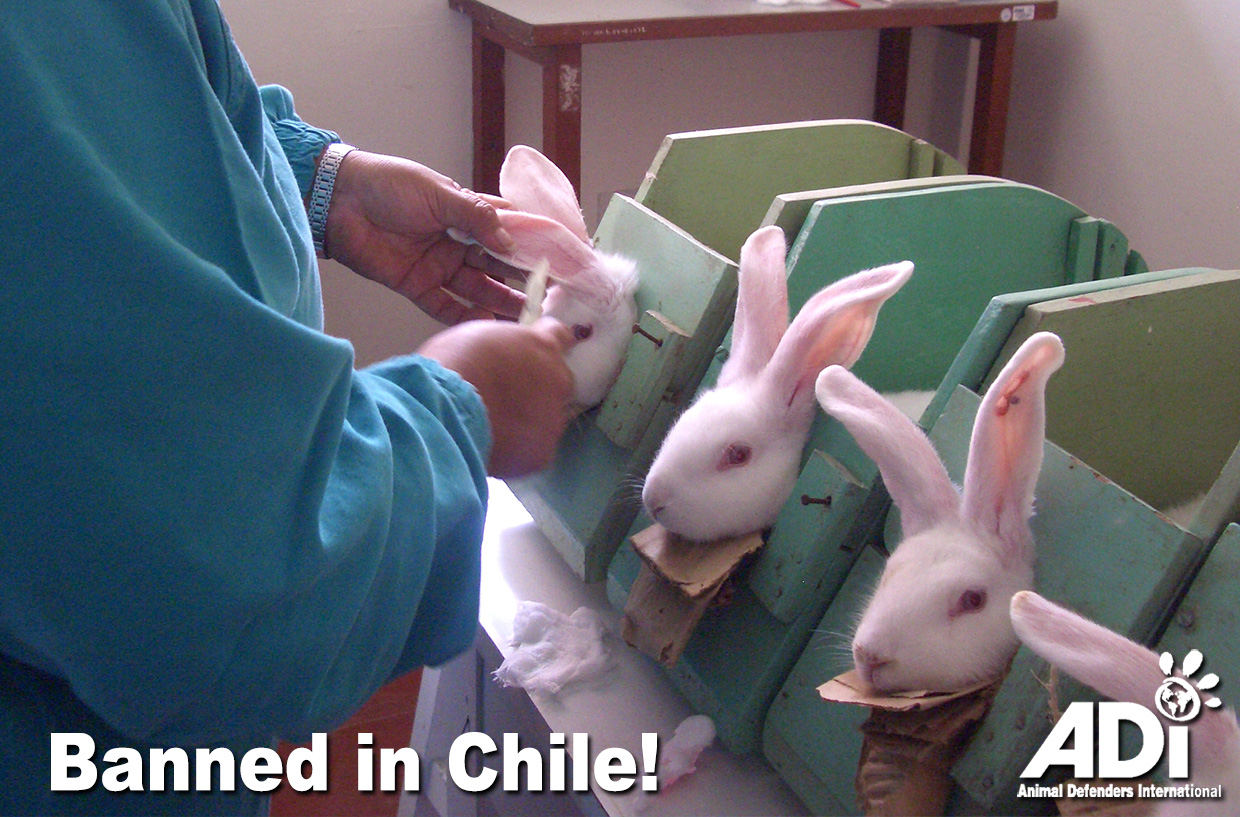
The use of animal tests for the development of cosmetics, perfumes, etc., which use ingredients where effects are already known, has been banned in Brazil. Alternative non-animal methods must be used where efficacy or safety is proven to be unknown. A national bill approved by the Senate in December, will strengthen these restrictions by banning import and sale of tested products and awaits approval in Brazil’s House of Representatives.

More good news saw the European Citizens’ Initiative to end animal testing we have been promoting, validated with over 1.2 million signatures. The European Commission must now respond to the call for:  robust implementation of the EU cosmetics testing ban, full transition to non-animal methods for chemical safety tests, and a commitment to a plan for phasing out all animal experiments.

According to Norway’s Fur Farmers Association, the last fur farms have closed ahead of the 2025 ban. ADI has exposed the country’s fur industry; filming foxes being dragged from cages by their tails. In the UK, luxury department store Harvey Nichols says it will be completely fur-free by the end of the year. They previously went fur free in 2004 but started selling fur again nearly a decade later.

Meanwhile, after going fur-free in 2018, Gucci made the baffling decision to launch an advertising campaign featuring a hat made of real rabbit fur felt as a ‘Tribute to the Year of the Rabbit’! After being called out, Gucci quietly removed the products from stores.

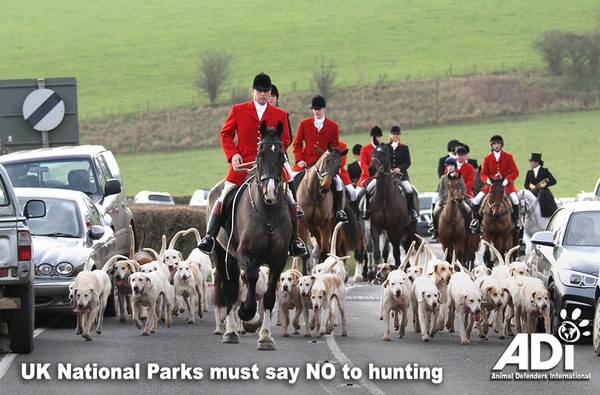
Scotland has passed a new law to end the hunting of wild animals with a pack of hounds and close a loophole in existing legislation. This prevents trail hunting, which is used by hunts as a cover to continue pursuing and killing animals for sport, the Hunting with Dogs Bill goes further than current law in England and Wales and where legislation needs to be tightened to stop the hunters. 

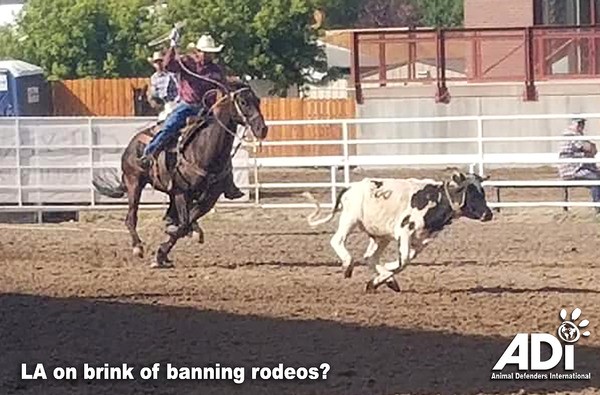
ADI joined the protest at the Professional Bull Riders’ ‘SoCal Showdown’ competition in Los Angeles. Animals are routinely prodded, whipped, and electric shocked for this cruel sport, and can suffer debilitating injuries. We have been backing an LA ban on cruel rodeo devices being considered by LA City Council. Please urge the venue Crypto Arena not to host bull riding and other events using animals. Email guestservices@cryptoarena.com. If you live in Los Angeles, please leave a comment in support of the LA City rodeo device ban.

In February, two tigers escaped from private owners in South Africa. The first, Sheba, was shot after she wandered into a residential area. The second was a young tiger who a private security company claimed had been successfully darted and taken to a ‘sanctuary’ but refuse to disclose the animal’s whereabouts. Then a lioness being driven to a new location escaped, with the owner finding her crate empty on arrival. She was found and shot. ADIWS offered homes to each of the animals, urging that they be recaptured alive. Along with lion farms the private ownership of big cats in South Africa needs urgent attention.

President Biden signed the FDA Modernization Act 2.0 into law, which means the Food and Drug Administration (FDA) will allow alternatives to animal testing for purposes of drug and biological product applications. This is potentially very significant, because since 1962, the FDA had required animal testing before human trials.

It’s been more than a year since the Kept Animals Bill, containing several Conservative Party manifesto promises including banning primate pets, made any progress in Parliament. ADI and others are calling on the Leader of the House of Commons and Secretary of State for Environment, Food and Rural Affairs to bring back the Bill.

The promised Animals Abroad Bill has disappeared, too. This would ban advertising of overseas cruel attractions, imports of hunting trophies and shark fins. MPs Angela Richardson, Henry Smith, and Christina Rees are working to secure these important measures through private members bills. Although these are very difficult to pass, progress is being made and The Hunting Trophy (Import Prohibition) Bill will have its report stage and third reading in the House of Commons on Friday 17 March. If you live in the UK, please contact your MP today and urge them to attend and support the bill.

By contrast, the Government’s Genetic Technology (Precision Breeding) Bill – where ADI and others have been calling for animal protection measures to be added – is now in its final parliamentary stages and likely to pass unamended.

ADI and a coalition of other groups are opposing plans to kill all vervet monkeys on Sint Maarten over the next three years. The non-native species is thought to have been brought to the island by European settlers as pets. A humane solution is being sought to save these animals, who never chose to be torn from their homeland and dragged across the globe.

Carden Circus has added two bison to its shows, which already feature elephants and camels. In the wild bison travel 2-3 miles a day and can cover 200 miles in a year. Elephants can average 15 or more miles a day, camels 20 or more miles in a day. This need for exploration and space is cruelly curtailed in the circus, where animals spend almost their entire year confined in small temporary encampments and endure extended periods in transporters. In the US, if you hear of a circus with animals coming to your town, email usa@ad-international.org we can help you create awareness and secure a local ban.

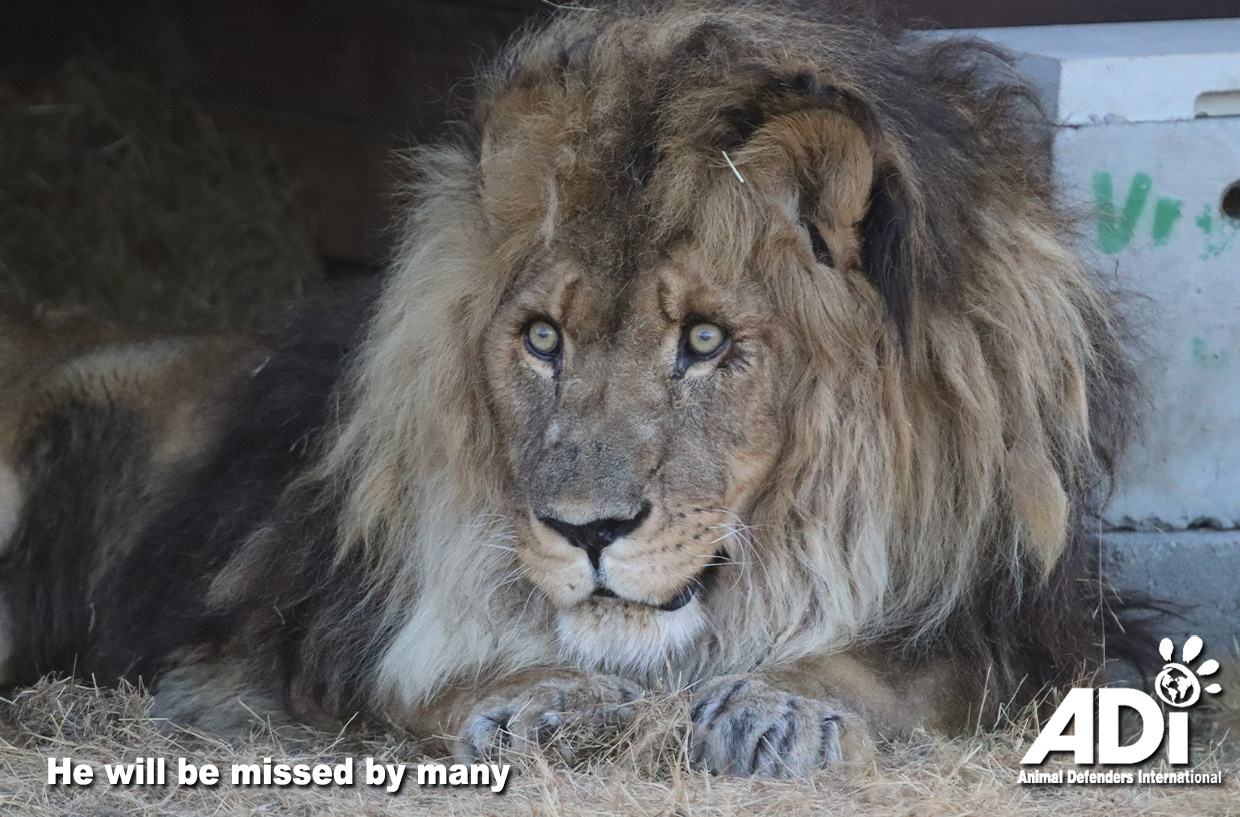
All at the ADI Wildlife Sanctuary were heartbroken to say goodbye to dear 18-year-old Iron who was suffering from aggressive stage 4 lung cancer. We rescued Iron from a circus in Colombia in 2014 with his lifelong companion OJ (Ojiclaro). Their years at ADIWS were the happiest of times, roaming their habitat, and roaring, with OJ watching over his friend. After OJ passed away two years ago, we began the process of introducing Iron to Bumba, who is from the same circus, but they did not develop a close bond – it seemed OJ was Iron’s true soulmate. While we all feel a huge sadness for the passing of this magnificent lion, it is so important to remember what a wonderful gift you gave Iron and the other animals at ADIWS. They left those tiny cages in South America to live as lions should in the African sunshine and every year of freedom was so precious.

A couple of weeks ago, Ruben had received his vaccinations, microchip and parasite treatment from Dr Harut Hovhannisyon at the bear sanctuary run by Armenia’s Foundation for the Protection of Wildlife and Cultural Assets.  He was issued with a health certificate, enabling his Armenia export permit and South Africa import permit to be progressed. As soon as we have the permits, we can book a flight to get him home to Africa where he can have a CT scan and treatment of his spinal and neurological issues can begin.  We have been working hard on a very special habitat at ADIWS designed to meet his health needs.

On a different note, AmazonSmile has sadly ended its fundraising while shopping initiative, so you can no longer raise funds for ADI shopping on Amazon. A huge “thank you” to everyone who did so.  It is a blow to lose this source of funding for our work, however there are some alternatives you can use to fundraise as you shop: in the UK, Easy Fundraising and in the US, Good Shop. Simply register, choose Animal Defenders International as your cause, and start shopping.

To contribute towards our campaigns and the type of work outlined above:
donate UK £ | donate US $

ADI news from around the world in 60 days

We’ve had a busy time these past 60 days, just a sample included: Organizing the Ruben rescue; through our Species Survival Network membership, we worked to strengthen CITES protections; we co-hosted the International Candlelight Vigil for Elephants; saw the Shark Fin Sales Elimination Act signed into law in the US; California’s ban on the sale and manufacture of new fur products came into force and a million signed up to a Fur Free Europe (the European Commission is now obliged to respond); we testified in committee to support an ordinance restricting rodeos; and the world wept with us at the passing of Cholita.
 
Here is some of our biggest news.

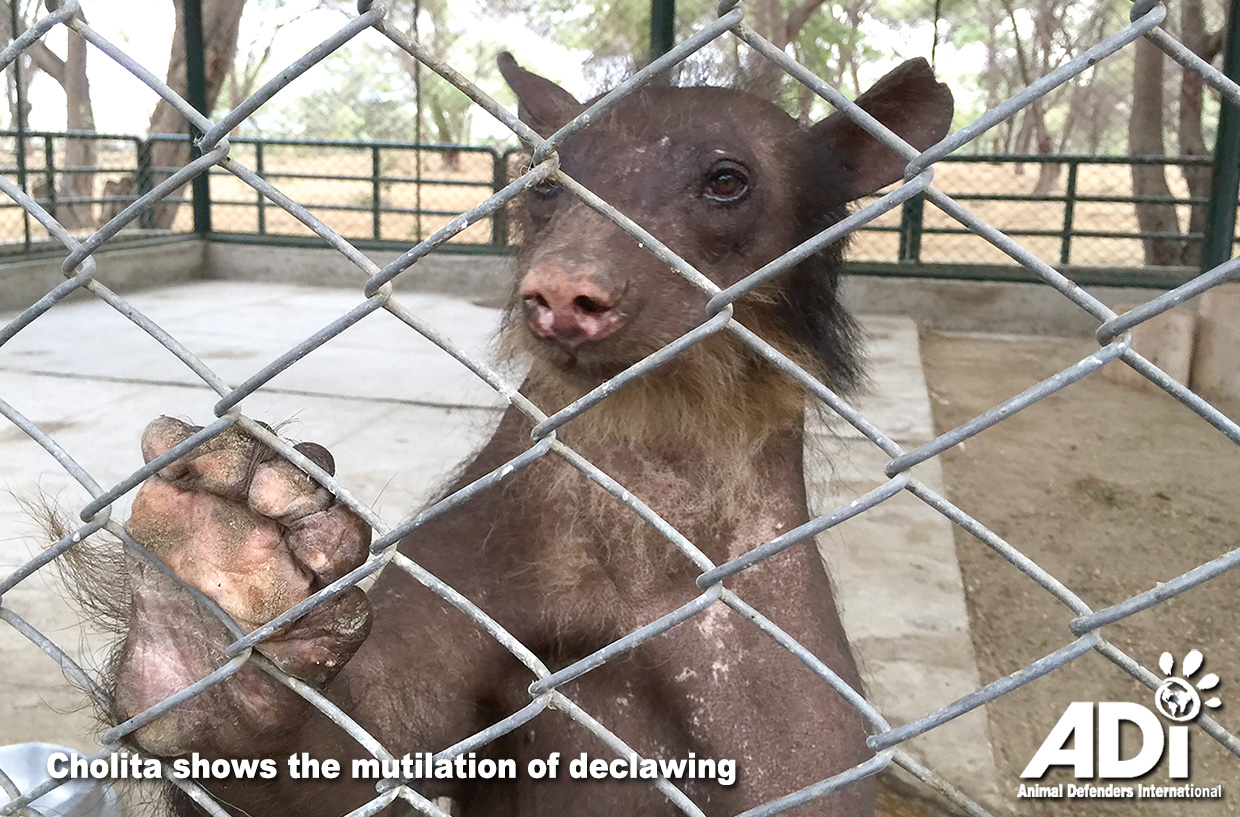
Cholita’s passing saw people heartbroken across the world. We responded to requests from supporters by setting up the Cholita Bear Fund to help fight wildlife trafficking, support our rescued bears, and help rescue others. We have made our first payout, sending emergency support to Taricaya, home of Cholita and our other bears. Peru’s state of emergency has led to escalating prices and shortages of food and other vital supplies as roads and airports have been blockaded. Over 50 people have died during the protests. The funds will ensure Taricaya does not face shortages of essentials for all the animals. We think Cholita would have approved. To contribute to the Cholita Bear Fund, click here.

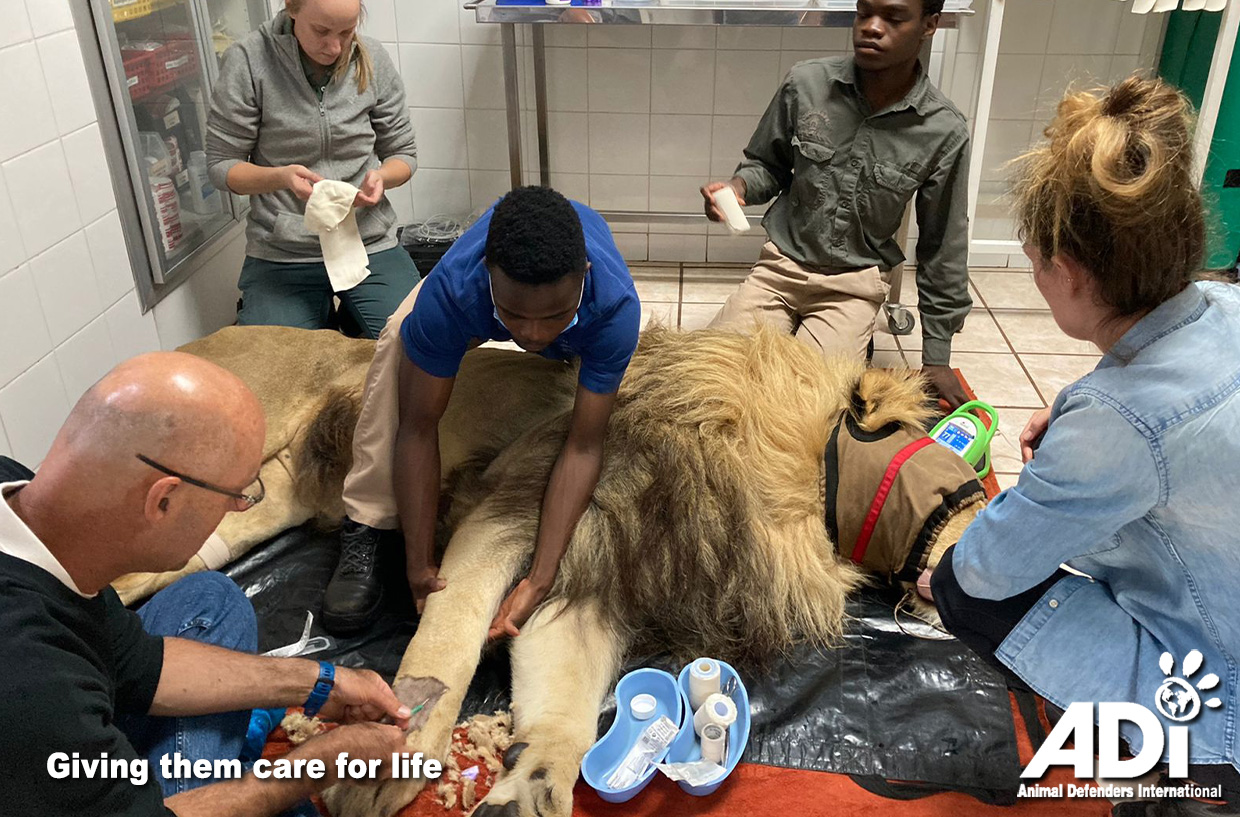
You can watch here a busy day at the ADI Wildlife Sanctuary in South Africa, during which Dr Peter Caldwell oversaw dental surgery on Rey Ayacucho and Simba, sedated Rey Cusco to review the arthritis caused by a brutal circus declawing operation; and then gave tigers Max and Stripes their annual vaccinations. Smith (pictured) was taken into the hospital for x-rays and ultrasounds, and has been treated for intestinal inflammation.

A landmark victory in December saw the Big Cat Public Safety Act passed which will end the breeding of big cats for cub petting, photo ops, backyard ‘zoos’, and the pet trade across the US. It gives hope that the US can pass ADI’s Traveling Exotic Animal and Public Safety Protection Act, to ban traveling wild animal acts nationwide. On the local level, progress continues. Northampton became the fourteenth town in Massachusetts to prohibit the use of wild and exotic animals in traveling shows and circuses. In Missouri, Moolah Shrine Circus will be retiring their elephant acts. To help stop circus suffering in the US: https://bit.ly/SupportTEAPSPA

The Biomedical Primate Research Centre (BPRC), Europe’s largest monkey lab, which was investigated by ADI (see video) says it plans to cut primate testing by 40%. The lower house of the Dutch Parliament unanimously backed a motion calling on the government to limit the number of tests using primates and for research into how these can be reduced further, specifically targeting BPRC.

Cosmetics tests on animals, and manufacture or sale of cosmetics tested on animals are now banned in New York, which joins California, Nevada, Illinois, Virginia, Maryland, Maine, Hawaii, New Jersey, and Louisiana!

As we press ahead to secure permits to move Ruben from Armenia to South Africa, the Daily Mail covered the story, and it was picked up by numerous news outlets worldwide including The Mirror and the Daily Star.

The Hunting Trophy (Import Prohibition) Bill from Henry Smith MP passed its second reading and is now at Committee stage. Although it is notoriously difficult for a private members bill to pass, it is vital that the ban – which was promised by the UK government – is kept on the political agenda. Sadly, other government promises continue to stall including the Kept Animals Bill.

Bill 085/22S has been approved in the Senate following a debate lasting until 2am. Two debates are now required in the House of Representatives before it can become law. Unlike the previous bill, which would have immediately banned bullfighting but sadly fell in the House of Representatives, there would be a three-and-a-half-year period of regulated transition. Nevertheless, a ban on bullfighting is again a real possibility and ADI will be working with the Colombia Sin Toreo coalition to ensure it passes.

ADI’s Eduardo Peña addressed the first “Legal Protection of Animals in Colombia: Advances and challenges in criminal law” forum organized by Colombia’s Attorney General’s Office and covering a range of issues.

LION ARK FREE TO STREAM! The award-winning documentary about ADI’s rescue of every circus animal in Bolivia is now streaming on Unchained TV! Unchained TV is available online and on Apple TV, Android, Android TV, Fire TV, and Roku®. As part of the promotion, Tim and I were interviewed live from the ADI Wildlife Sanctuary by Jane Velez-Mitchell, during which we were plunged into darkness by a power cut but kept talking until the generator kicked in. Lions can be heard roaring in the background.

Watch Lion Ark and sit back, relax and watch the animals win!
 
This is a sample of our work, which is only possible thanks to our supporters. To help, donate here.

Rescues as Ambassadors for Change

Chaska starts a new life

The most rewarding end to any legislative campaign to end animal suffering is when we get the opportunity to rescue some lucky survivors, and just recently, our lucky survivor was a baby female woolly monkey in Peru. 

The story is the same everywhere, gangs go into the forests and net whole families of monkeys, often, the mother is killed, and the baby taken. This is likely what happened to our baby. This wickedly damaging crime disrupts the social structure of the local populations and the whole ecosystem. 

Stolen from the wild, for sale in local market

Fate and luck played a big role in this rescue; the baby was seized by Peru’s wildlife department, SERFOR (Selva Central District), ADI and partners UPA organised transport and veterinary care. We had the perfect solution; Fausto, a woolly monkey we rescued as a baby in 2014, was now alone in his rainforest habitat after his two companions passed away.

While ADI supporters gave towards her new introduction habitat (to meet Fausto safely) and her two-day journey on foot, by road, air (grateful thanks to LATAM Airlines) and boat, along the Iquitos Amazon tributary to her new ADI-funded sanctuary home, we started building.

Meanwhile, supporters voted to find a new human name for our baby girl and settled on Chaska, a beautiful native Andean name (Quechua language) meaning ‘bright star’. The first touch through the fence between Chaska and Fausto was precious. Introductions are necessarily slow and cautious, over a period of several weeks. After all, we hope for Fausto and Chaska to be together for life (up to 30 years). 

Tiny Chaska reaches out to touch her gentle giant, Fausto, for the first time. The companionship of someone who communicates as we do, sees the world as we do, is important to us all.

We hold onto these moments where we can put right a terrible wrong. The long road of public awareness, education, and lobbying for legislation helps governments and legislators do the right thing and enact laws to protect the non-humans who share our planet. They all need protection from the most destructive excesses of our species. Little Chaska is our bright star, encouraging us along the way.

ADI’s exposure of illegal wildlife markets of Latin America, Asia and Africa, the bushmeat trade, monkeys for laboratories, pets and other exotics, has provided the means for governments to act, on legislation and enforcement. Crucially, once laws are passed ADI offers solutions to hard-pressed government departments which may not have the resources to remove and relocate the victims during law enforcement operations. 

Joint operations with police and wildlife officials are essential to make laws effective.

Rescuing an illegal pet squirrel monkey.

Animal trafficking is a crime against us all. Stealing other inhabitants of our planet from their homes, killing and destroying families and populations, strips our forests of the biodiversity we all need to maintain our planet’s ecosystems. Extinction is not just them; it can hurt us, too. 

Have a Chaska day,