Celebrating the largest ever circus animal rescue

This month marks the tenth anniversary of ADI’s Operation Spirit of Freedom to enforce the wild animal circus bans in Peru and Colombia, tracking down every circus and rescuing over 100 animals.

The impact went beyond those animals saved. The rescue drove forward the Stop Circus Suffering campaign, especially in Latin America.  There are over 50 national circus bans now and ten of those are in Latin America. The success and popularity encouraged more law enforcement – we have since helped seize many animals form traffickers in Peru.

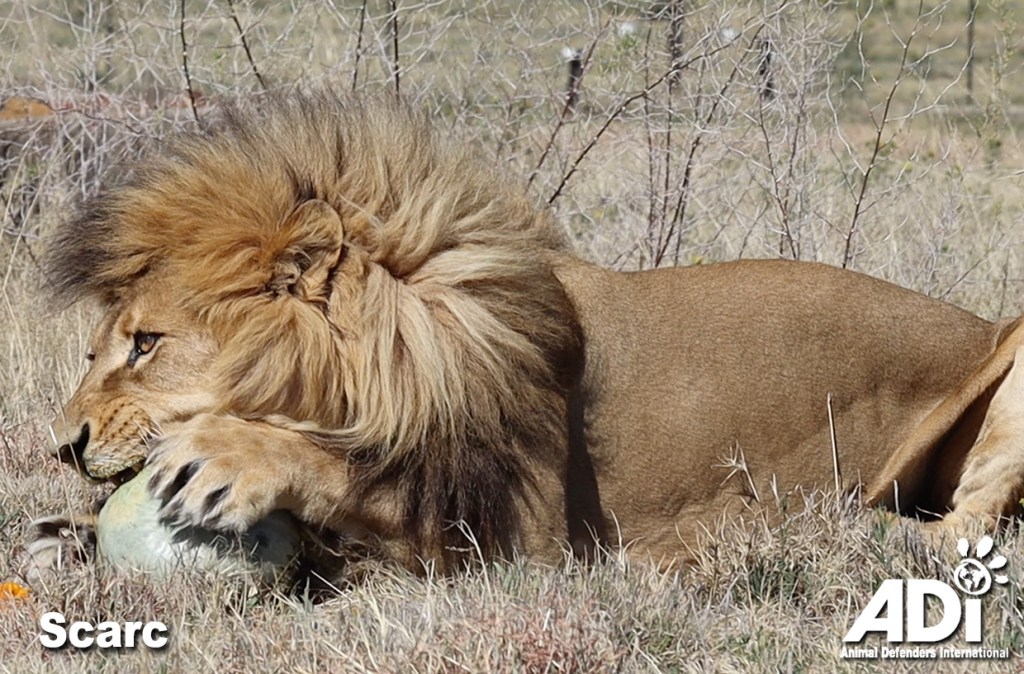
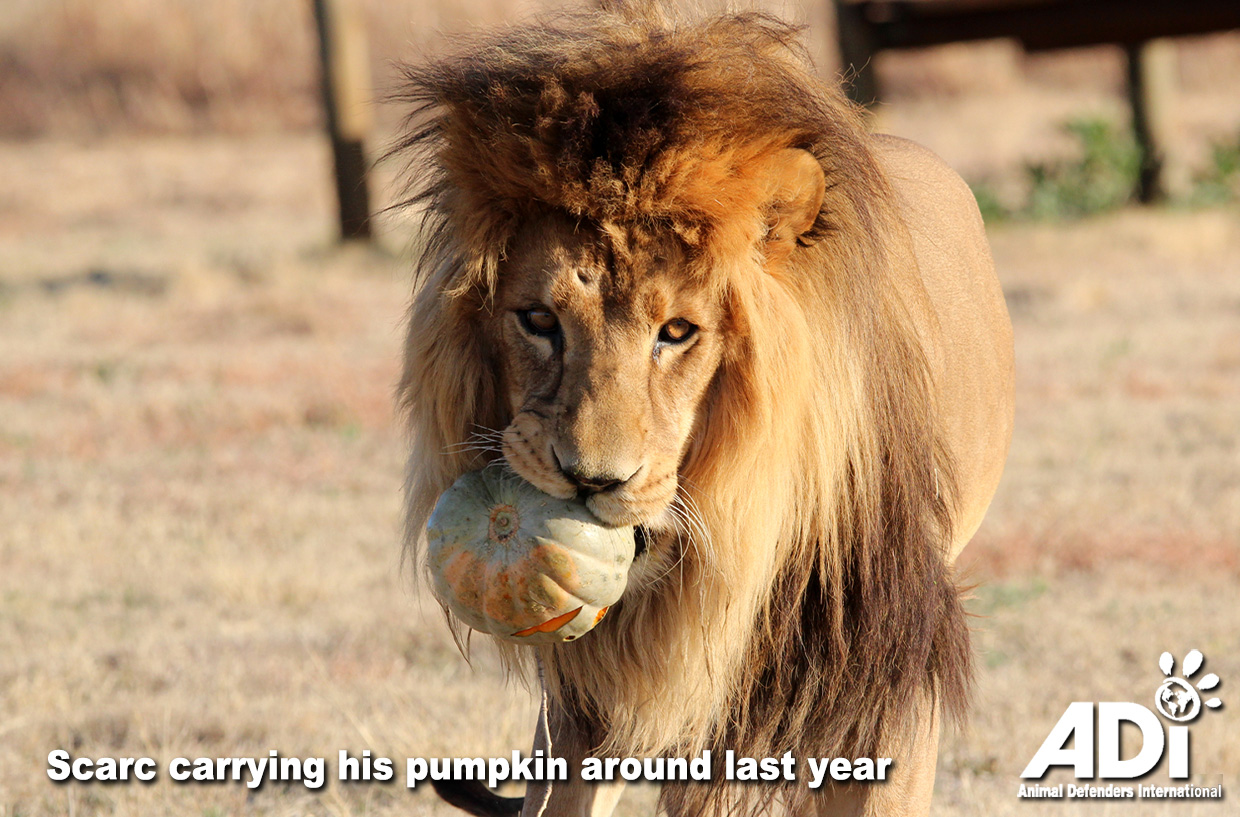
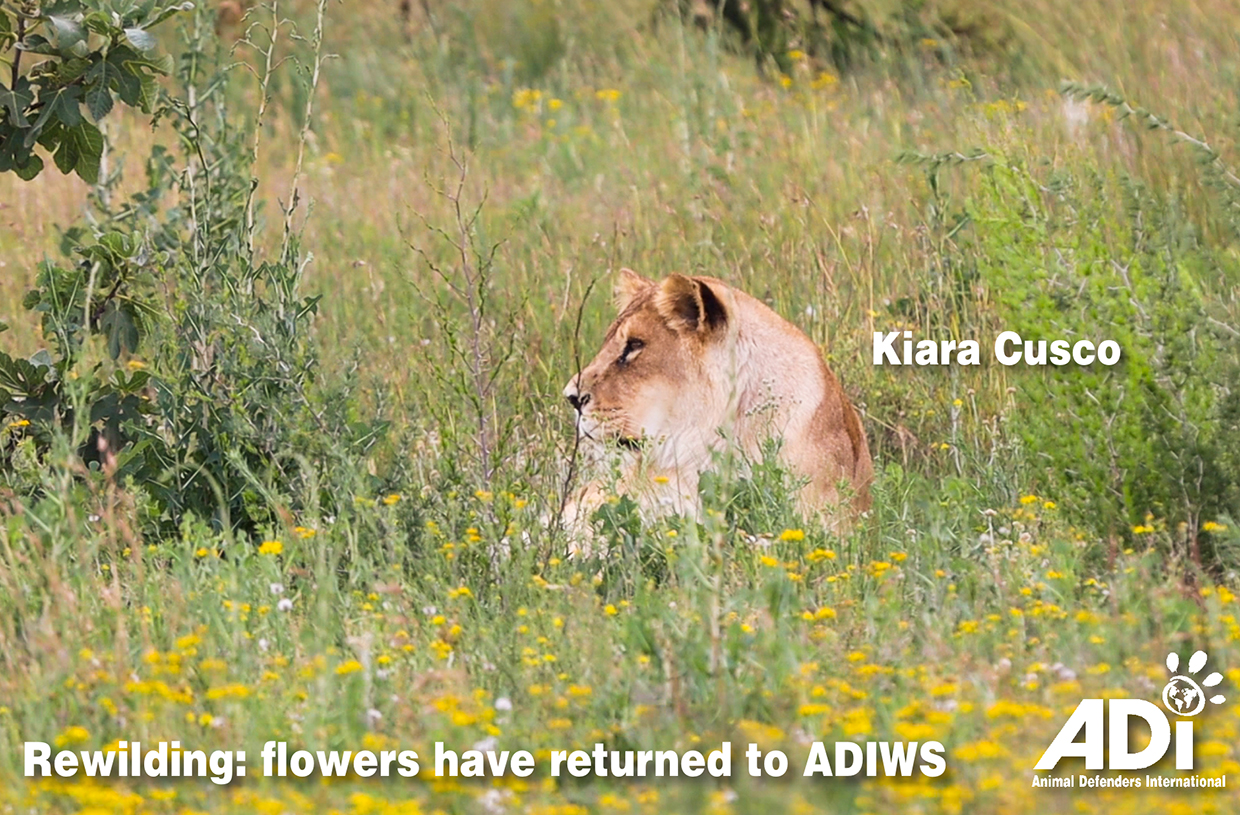
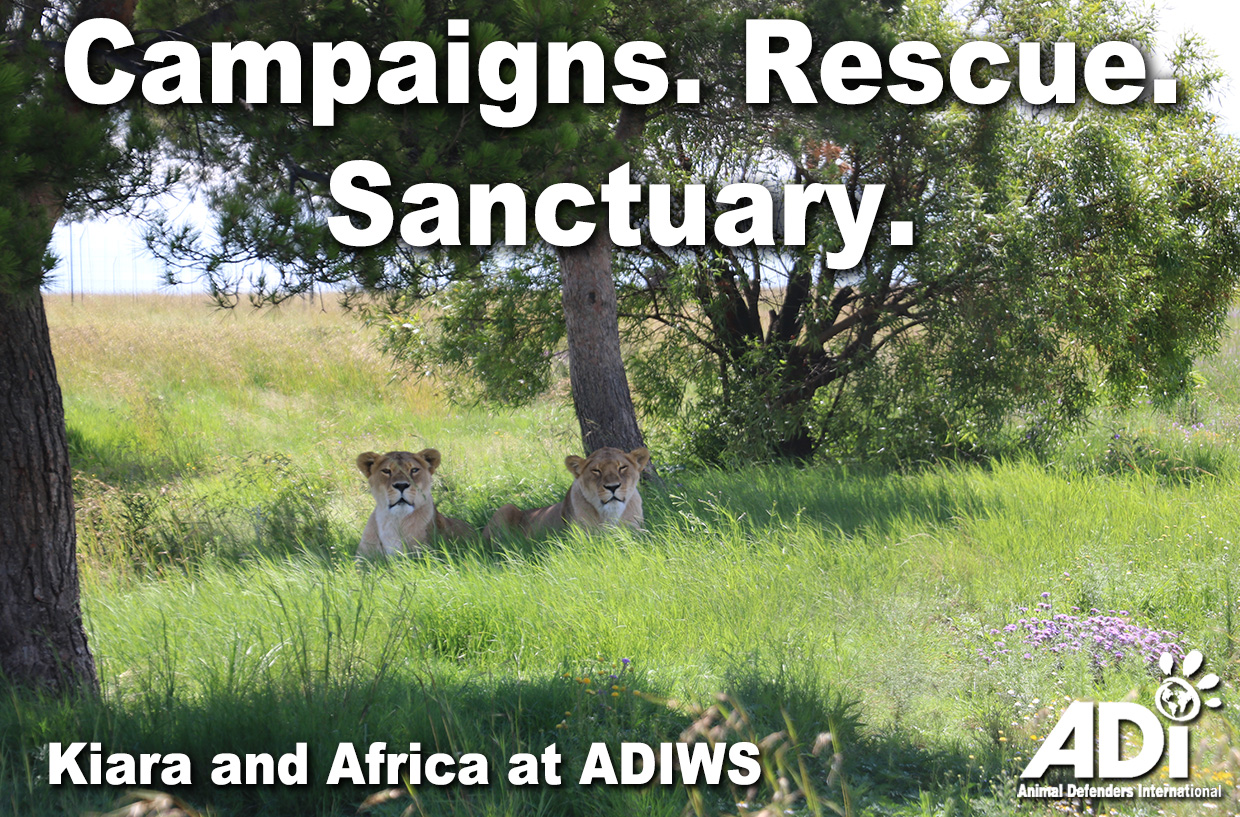
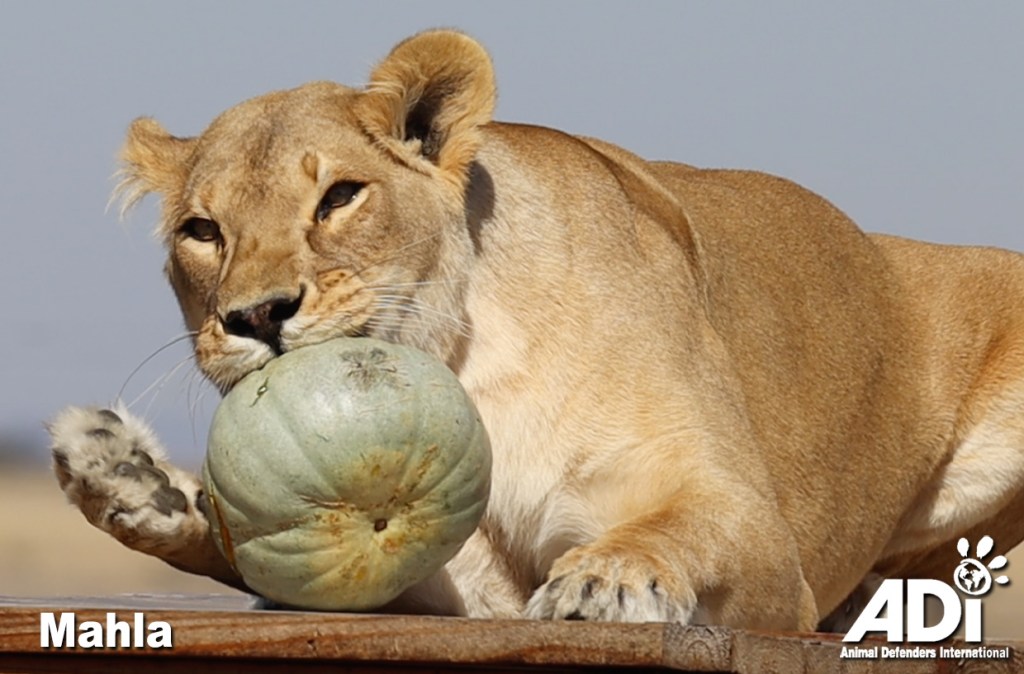
A decade ago this week we rescued Smith, Pepe and reunited Kiara with her cubs Mahla and Scarc – all still in our care, along with many others.

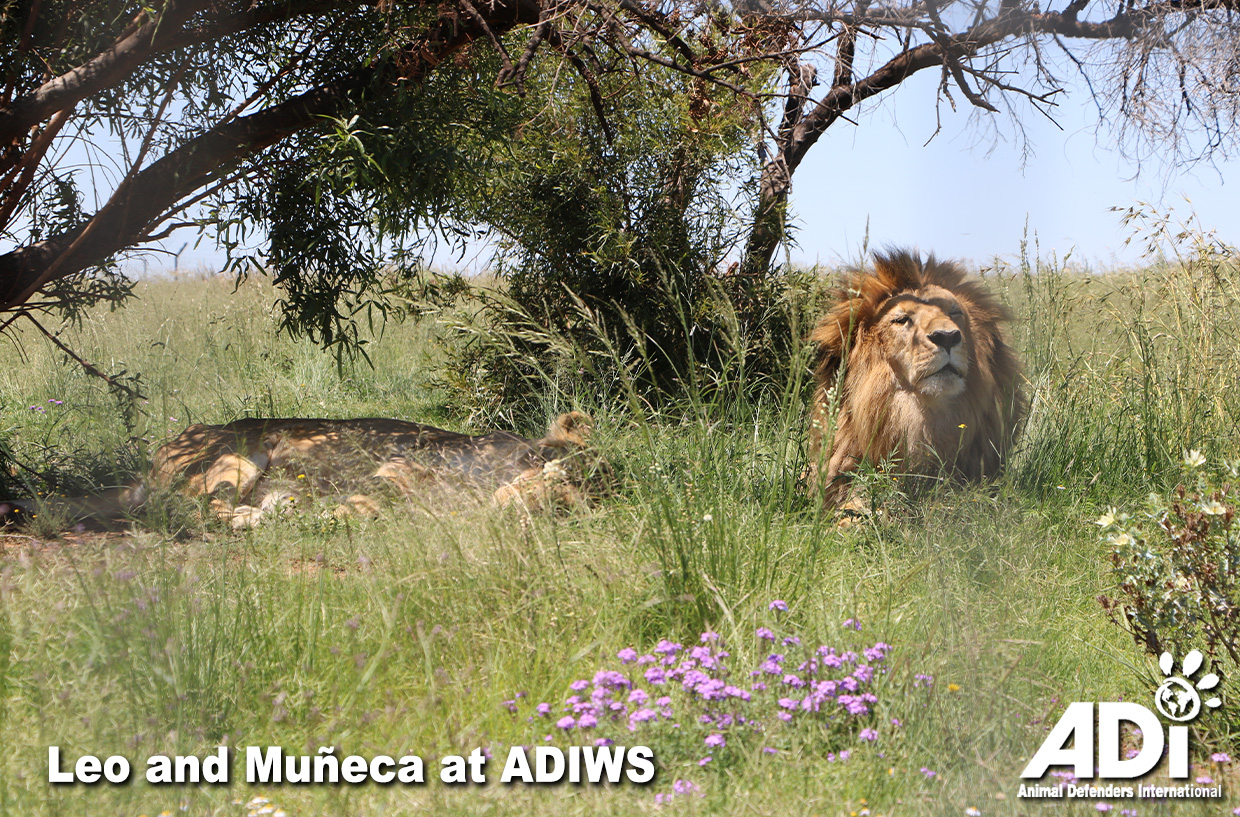
Into our lives came Spectacled bear Cholita, lions Leo, Ricardo, Simba, Rey, Joseph, Spider monkeys Pepe and Valerie, and many, many more. The rescue led to ADI building rescue facilities for monkeys and bears in Peru and to the ADI Wildlife Sanctuary (ADIWS) in South Africa, enabling more animals to be saved and cared for.

We have saved animals in Chile, Portugal, Mozambique, Sweden, Armenia, Kuwait, the UK, and South Africa, but the importance of the large-scale nationwide rescues in Bolivia, Colombia, Peru and Guatemala, which emptied every circus cage cannot be overstated. These helped us win more circus bans in other countries and provided legislators with solutions for enforcement.   

Securing a law is a huge step but ensuring it is actually enforced is critical. Large-scale rescues end whole areas of animal suffering, whereas piecemeal law enforcement is often ineffective.

ADI work to support a new law is most needed in countries where there is no infrastructure to deal with relocating large numbers of animals of different species. In Peru, we rescued around 40 monkeys of six different species, plus bears, a tiger and eventually flew 33 lions to South Africa.

We have to rescue whatever animals we encounter. In one circus where we arrived to remove a reported condor (it was a forest vulture), within minutes, Tim and I found an unreported mountain lion, Mufasa chained in the back of a truck.

We don’t leave anyone behind.

We are often asked how we go about such a task. The first step is to build secure, temporary holding, where we look after different species, provide food and veterinary care, deal with export procedures and organize their relocation to new homes. In Bolivia, we emptied the circuses and saved 29 lions and developed the design of our ADI temporary rescue units. In Peru we refined the design. Of necessity, these units are very different from a permanent sanctuary.

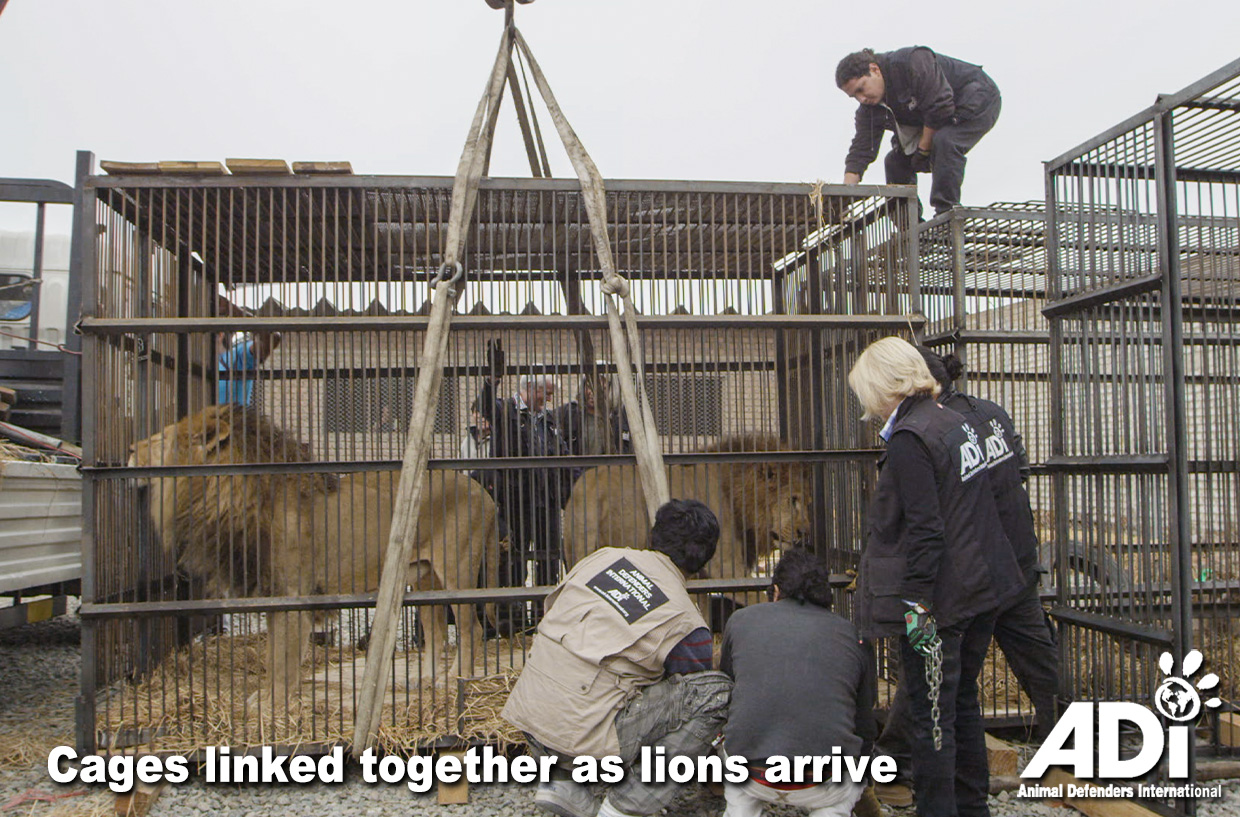
The first step was the design of the “freedom cages”, which fit on trucks and can be driven up to circus cages to transfer the animals. Then, on arrival at the TRU, they are joined together to provide living space for rescued animals. Larger groups will have several freedom cages.

The cages are sturdy, practical, and not attractive. We collect animals and transport them through cities, so it is important they can’t reach out and the public cannot reach in. We provide bedding, food, enrichment and then, the animals enjoy more space than they have ever known. We add shared, grass exercise enclosures where they can run for the first time in their lives. 

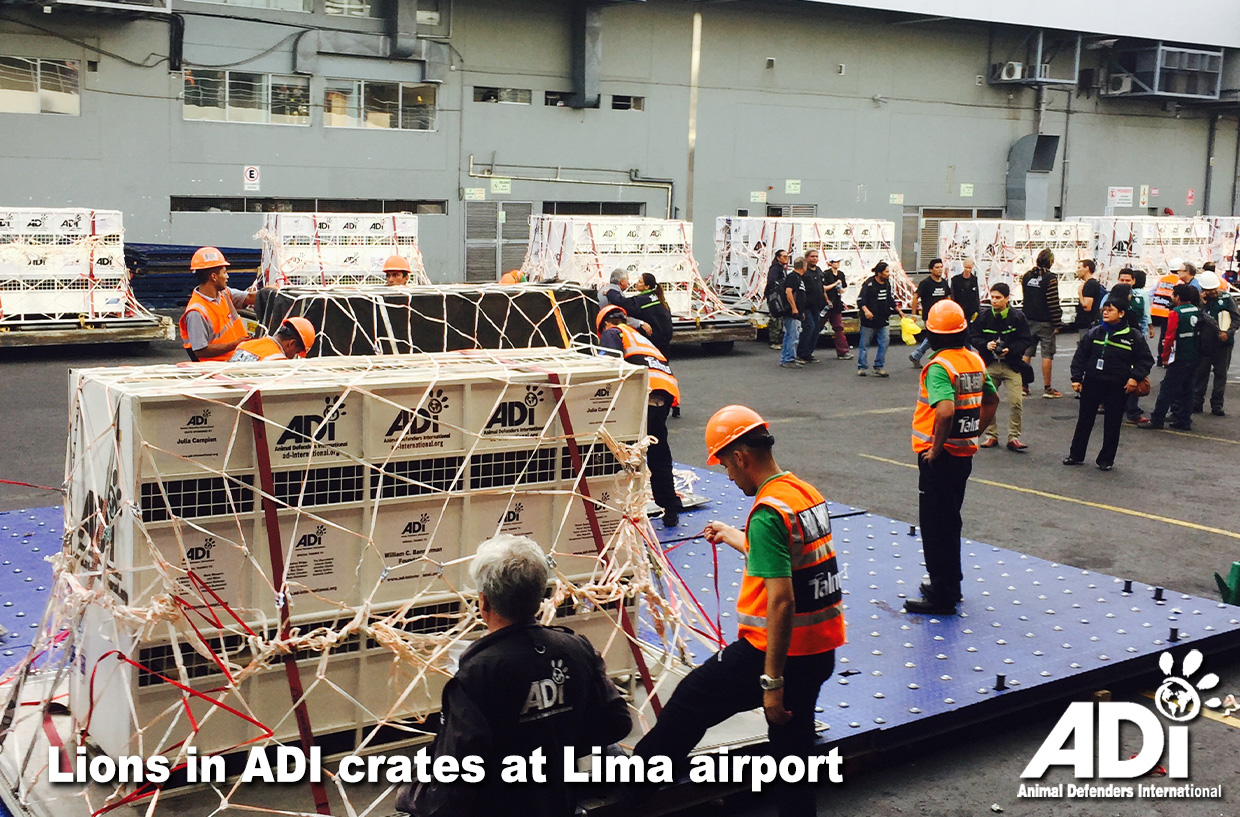
Once we have the animals all gathered in one place, the export process can begin, finding the animals new forever homes. Our TRUs need to be in locations near resources like metal workers for cages and travel crates and with good access to airports. As the rescued animals will be in IATA-regulated travel crates, the journey is slow and careful, to avoid injuries due to braking. 

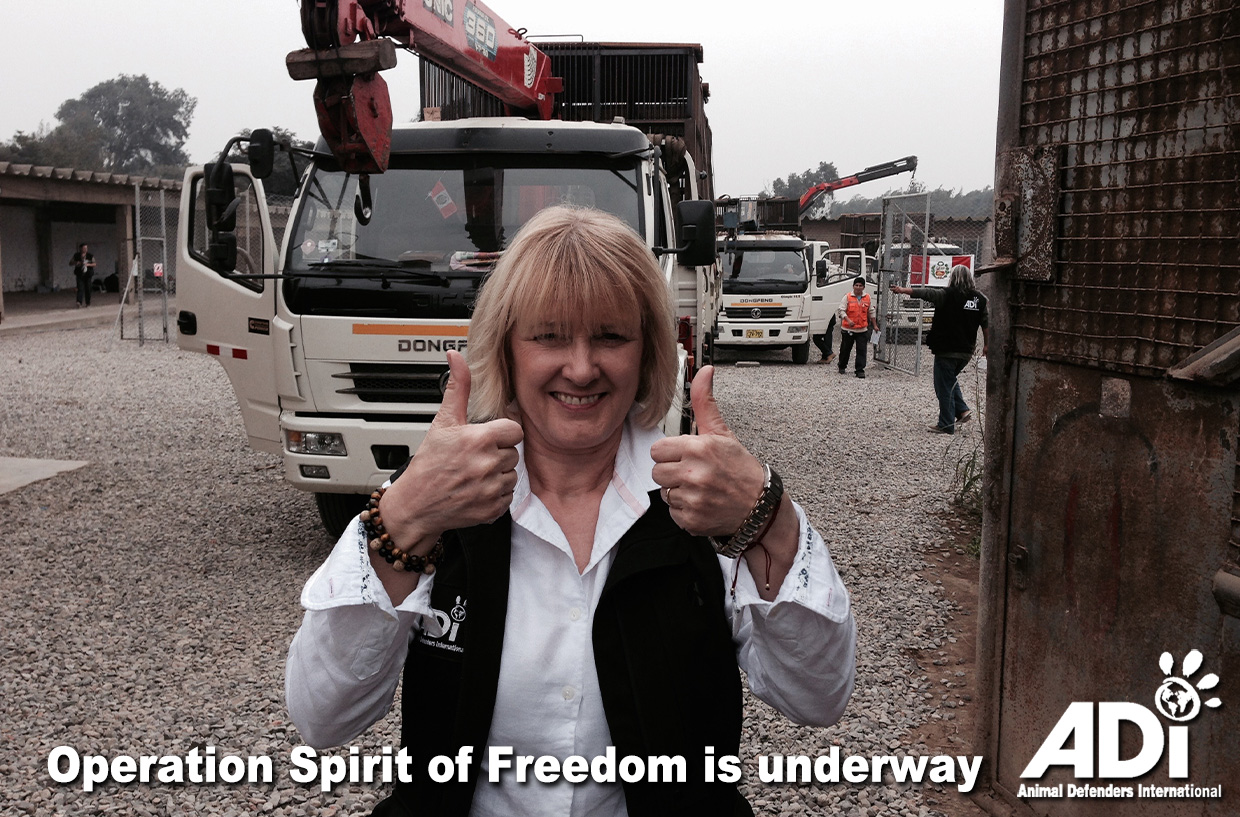
Operation Spirit of Freedom gets underway

The morning of August 5th, 2014 began with about a dozen trucks streaming out of the ADI TRU laden with ‘freedom cages’. Some targets were 36 hours away, so the truck left ahead of time so the driver could rest before the return journey, loaded with lions.

I headed with Tim and our team to the first target. The circus was holed up in a compound and we were blocked from entering for hours.

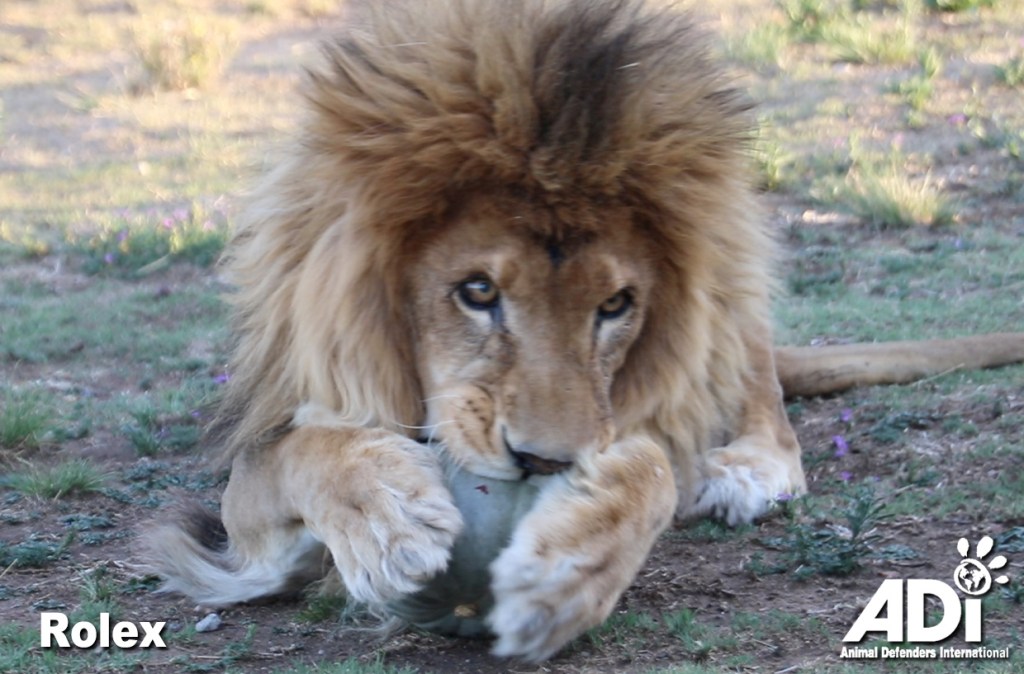
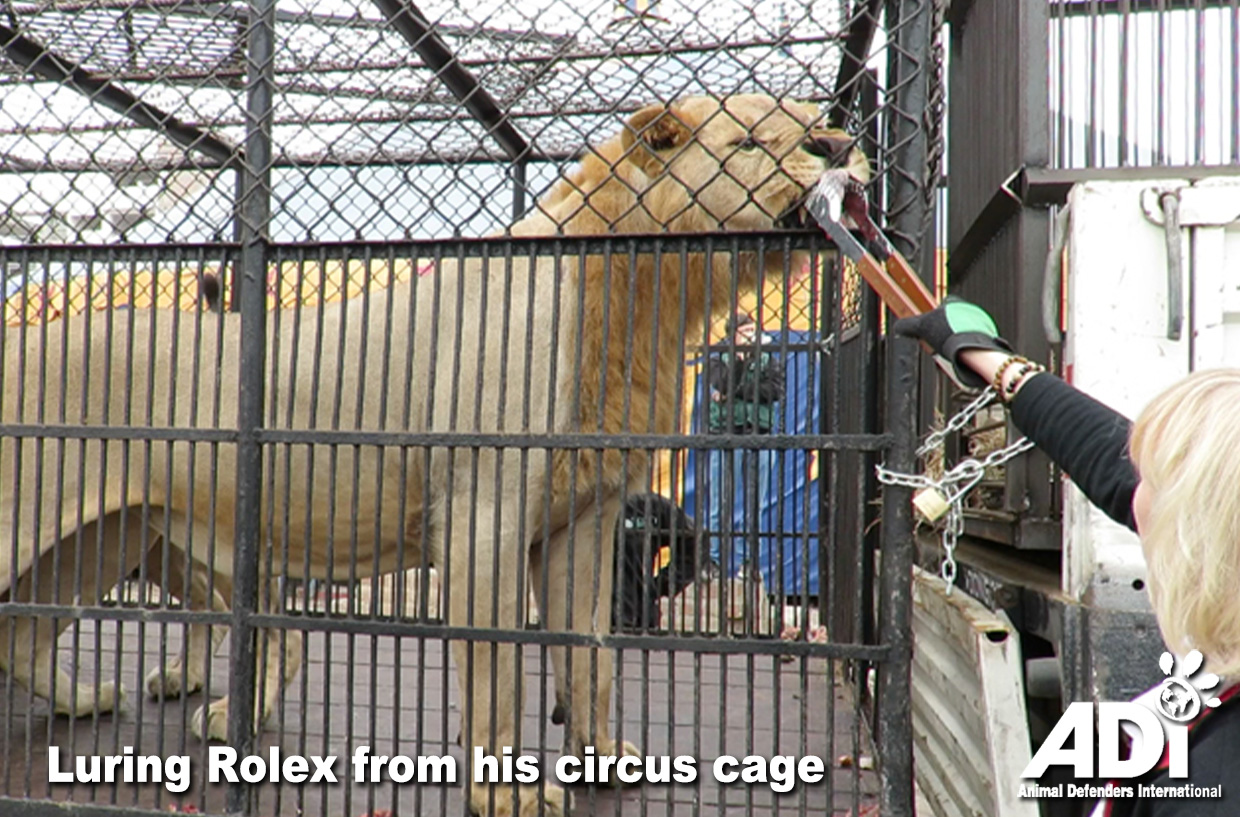
Once inside, there was a trailer with two cages the size of queen-sized beds. In one was a battered old lion, who looked on his last legs.  It was Leo, who would find a special place in my heart.  Next to him were three sub adults, his sons Chino, Coco and Rolex. 

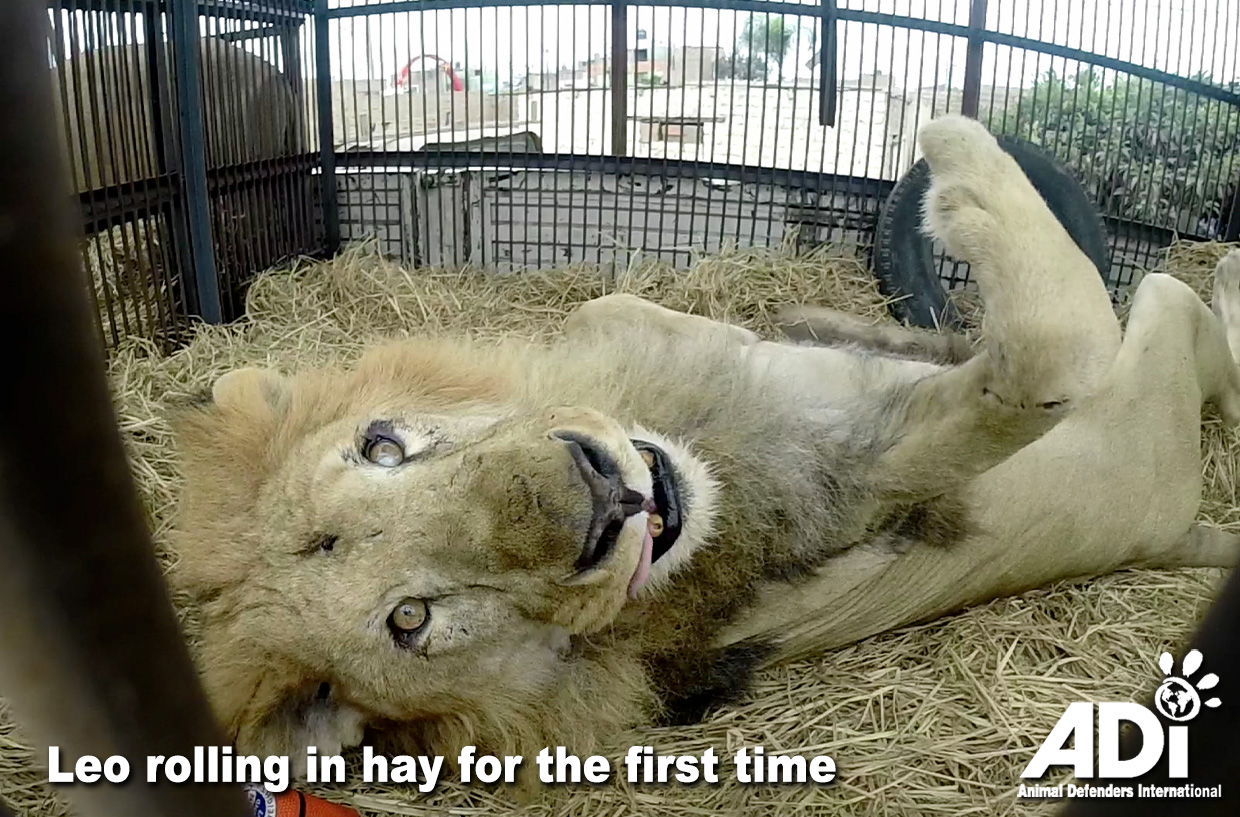
I lured Leo into one of our freedom cages and he began rolling in the hay – the first we saw of his famous inner kitten. His health would be touch and go for a couple of weeks but he eventually lived to a grand old age of 21+ years, only passing away at ADIWS this year.

Next, we got the boys loaded but the circus lawyer obtained a legal block on the removal of three lionesses – Muñeca, Africa and Kiara. We would have to return with a court order. The next day the lionesses disappeared. We eventually tracked them down and rescued them seven months later.

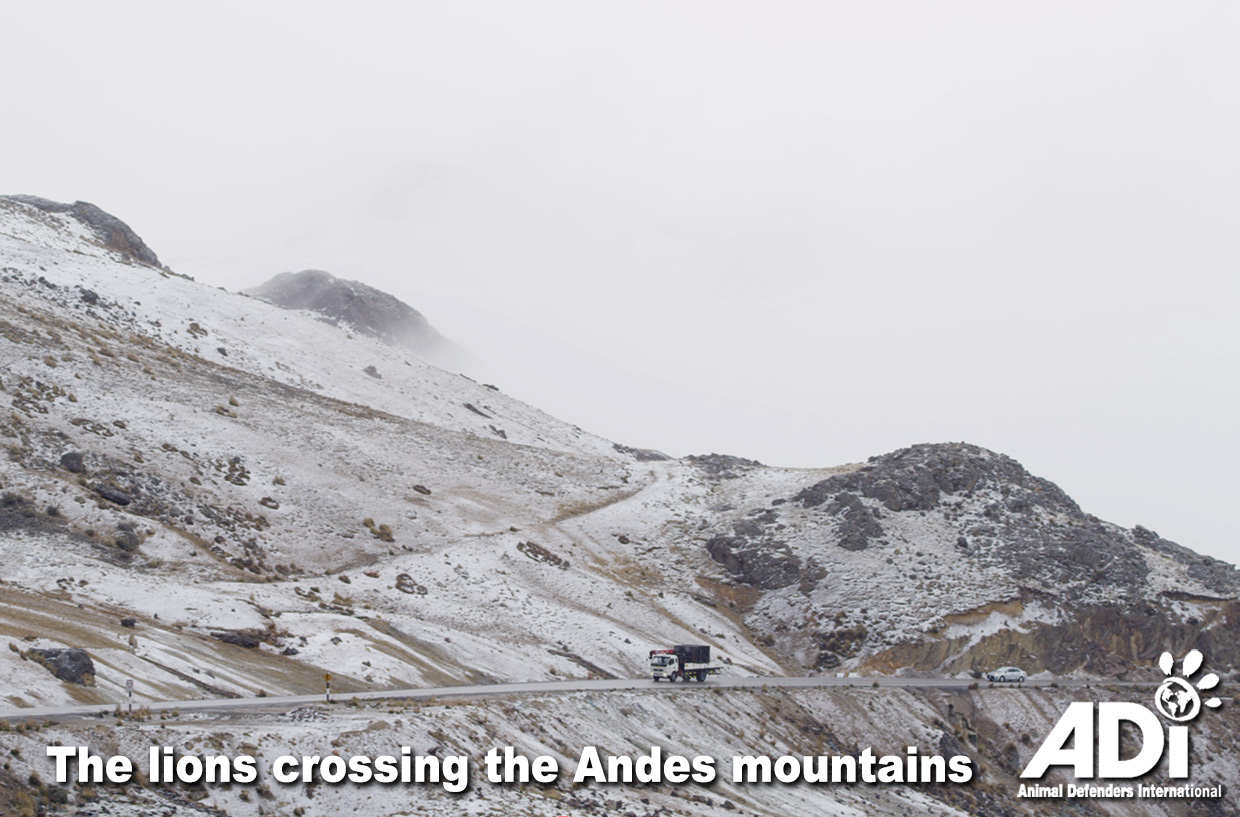
It was midnight by the time we unloaded the lions at the TRU. Four of us headed to the airport, flew to Ayacucho and less than 12 hours after unloading the first lions, we rescued Simba and Rey. It was a 19-hour drive with them over the Andes through rain and snow, and back to the TRU. We then headed to Cusco, hundreds of miles away in another part of the Andes (keeping the pace was vital).

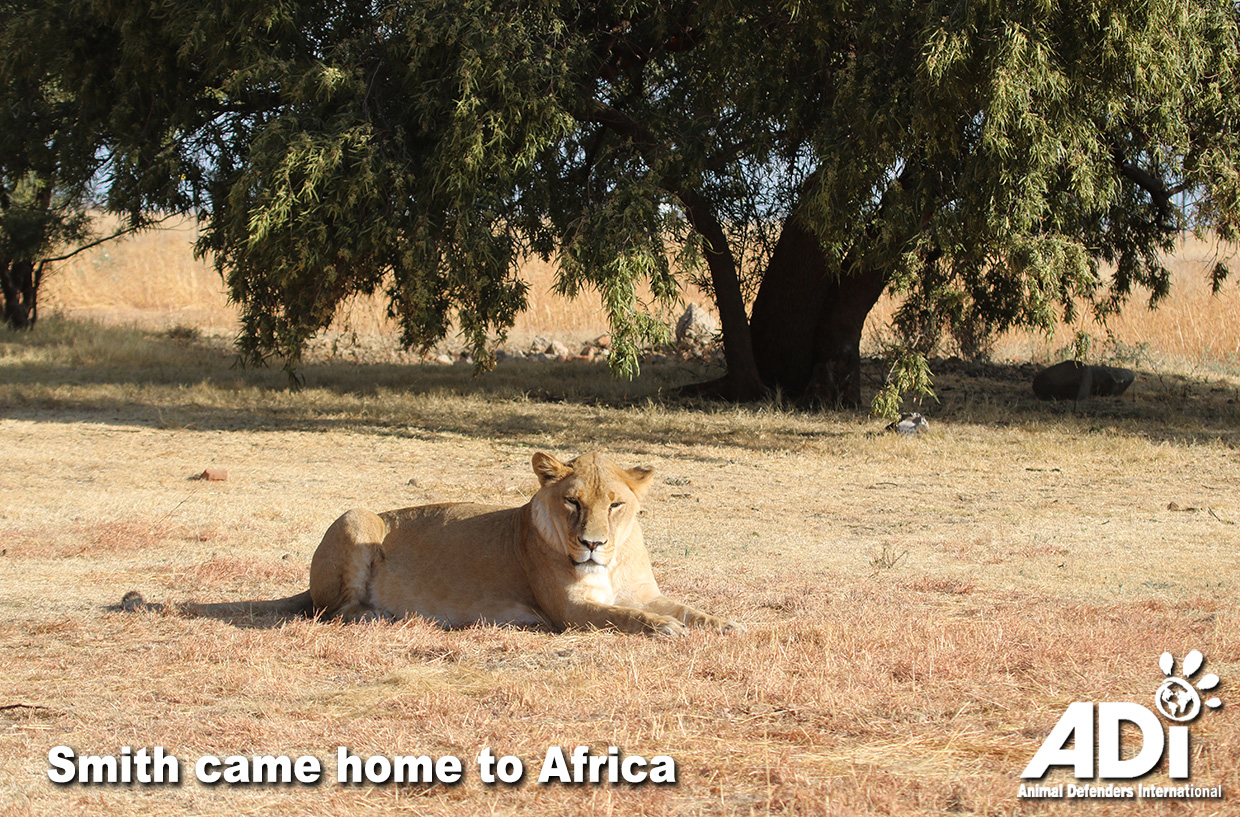
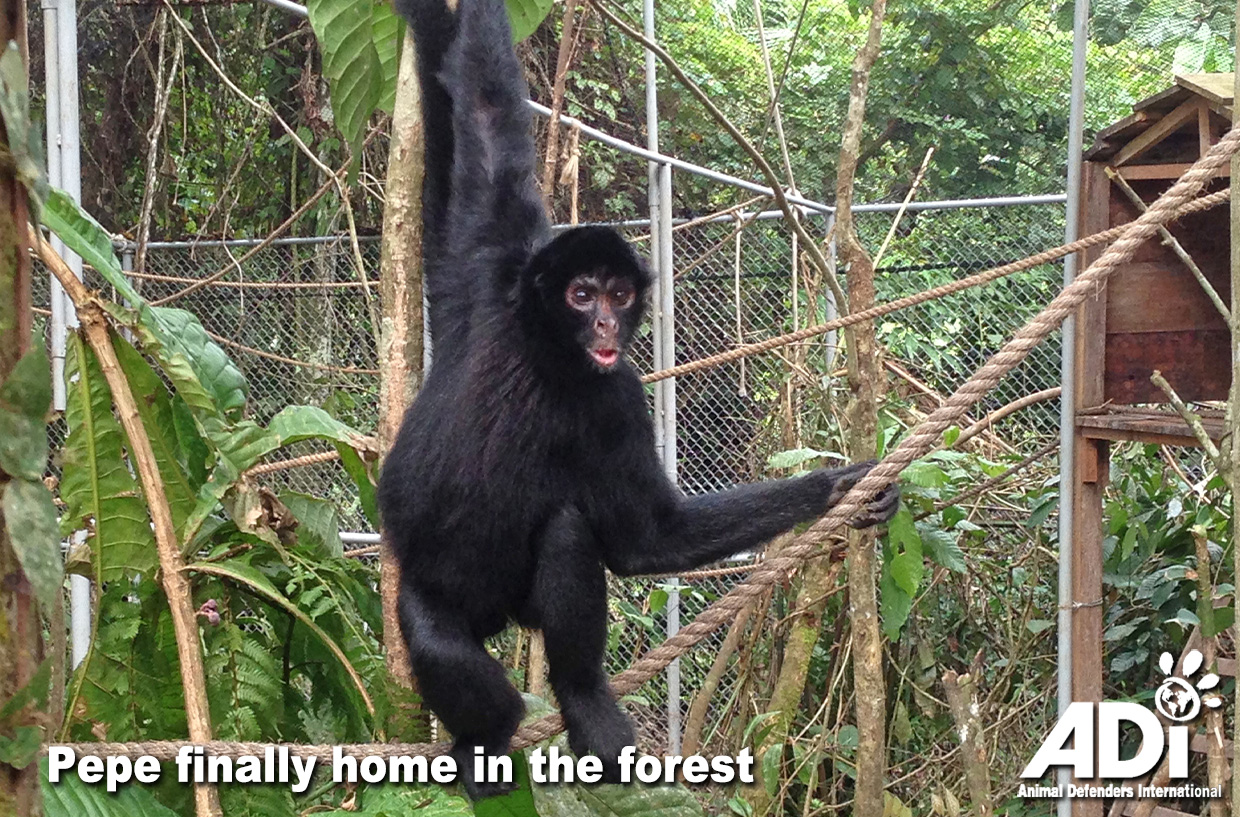
We met fierce opposition and a 12-hour stand-off before rescuing lions Rey, Amazonas and Kiara. But we were blocked from saving Smith, Kiara’s cubs Scarc and Mahla, and a spider monkey called Pepe. Kiara was forlorn and we were dejected as we made the 36-hour drive back to Lima.

The circus was defiant and continued business as usual. The performance of Smith, a huge, castrated lion (hence no mane) involved an audience member being invited into the ring for Smith to jump over them – a stupid and irresponsible act. On August 15, 2014, a schoolteacher stepped into the ring. Smith looked down from a pedestal above her, then pounced, dragging her around the ring as the worker repeatedly beat him with a metal bar. The thick collar of her winter coat saved her.

A local TV station filmed the incident and it exploded worldwide. A petition was launched for Smith to be killed; we met with the Minister; did multiple media interviews arguing Smith be saved. By the weekend we were back in Cusco. On August 22, accompanied by armed police, we rescued Smith, Mahla, Scarc and Pepe.  Kiara was reunited with her cubs. They are still together at ADIWS.

It was a turning point for the operation. There were no further blocks from removing animals, and over the coming months we would empty every cage.

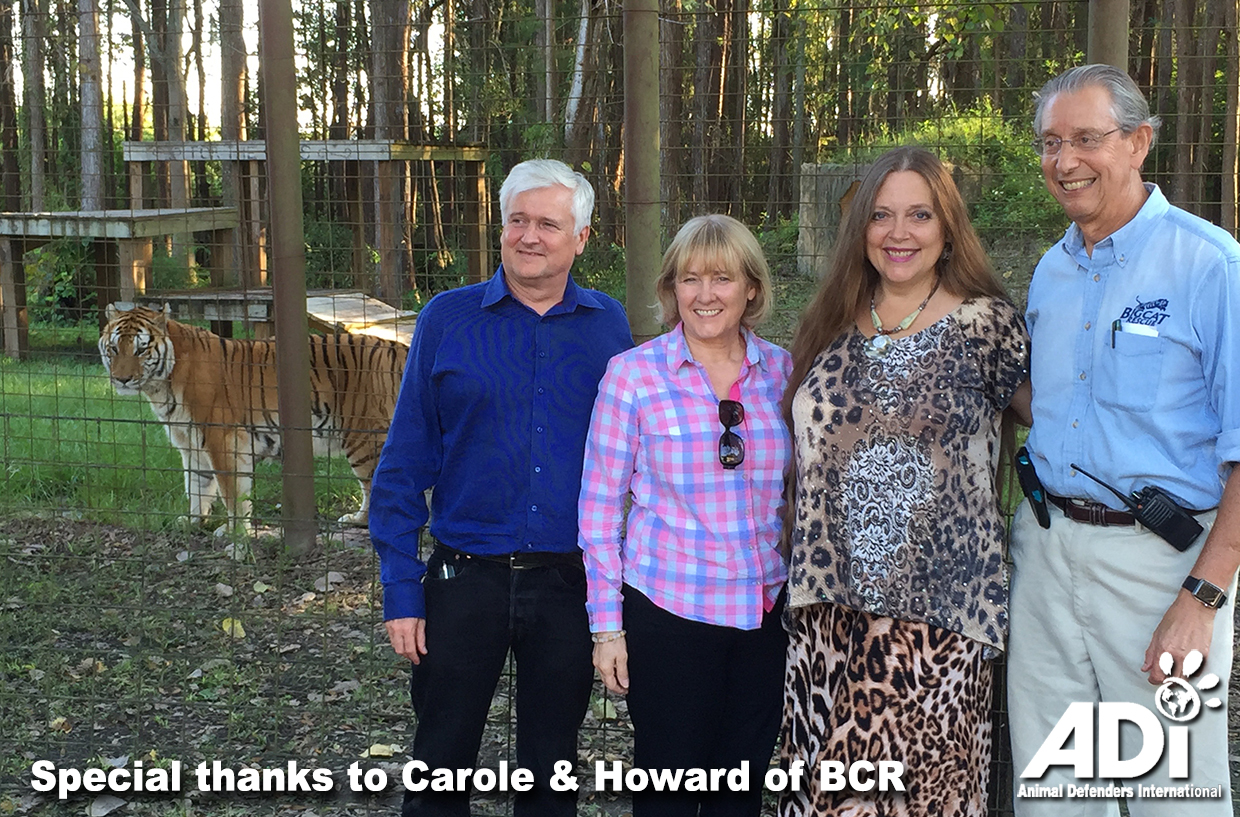
Of the 100 plus animals, it was possible to return a handful to the wild. We built a large monkey complex at Pilpintuwasi near Iquitos and airlifted 50 monkeys, coatis, and kinkajous there. We took four bears, Mufasa mountain lion and various monkeys and birds over the Andes to ADI facilities at Taricaya near Puerto Maldonado. We continue to support both groups financially. We flew Hoover tiger to BCR in Florida, and airlifted 33 lions to South Africa.

A couple of years later, a circus appeared in Lima with a spider monkey called Maruja. We rescued her within 24 hours and she was eventually returned to the wild with a family of monkeys.

Most of the animals rescued in Peru are still in our care. Some have passed away and several are elderly now.  It was a huge mission, expensive, but ended circus suffering in two countries.

As we saw more recently in Guatemala, ADI is the only organization undertaking this type of large-scale countrywide rescue as we fight for circus bans. The reason we set up the ADI Wildlife Sanctuary is because enforcement of laws which end abuse is vital for permanent change.

We cannot do this work without your support. Will you help ensure it continues? One of the most important things you can do to ensure the long-term future of ADI’s work to get laws to protect animals and end animal suffering and the ADI Wildlife Sanctuary is to include us in your Will.  You can find out more here.

Please also consider a donation today to help care for the many incredible circus survivors still in our care at the ADI Wildlife Sanctuary, ten years on from Operation Spirit of Freedom – including Kiara, Mahla and Scarc from Cusco, or elderly gents Simba and Rey from Ayacucho, or bears Sabina and Dominga, or Pepe and his family of spider monkeys

Donate UK, Euros, Rand | Donate US$, CA$

PS:  The story of these circus raids is told in Animal Planet’s Dodo Heroes Series One “Jan and Tim’s Greatest Show on Earth” available on Amazon Prime. A really uplifting watch.

Help animals avoid holiday hell

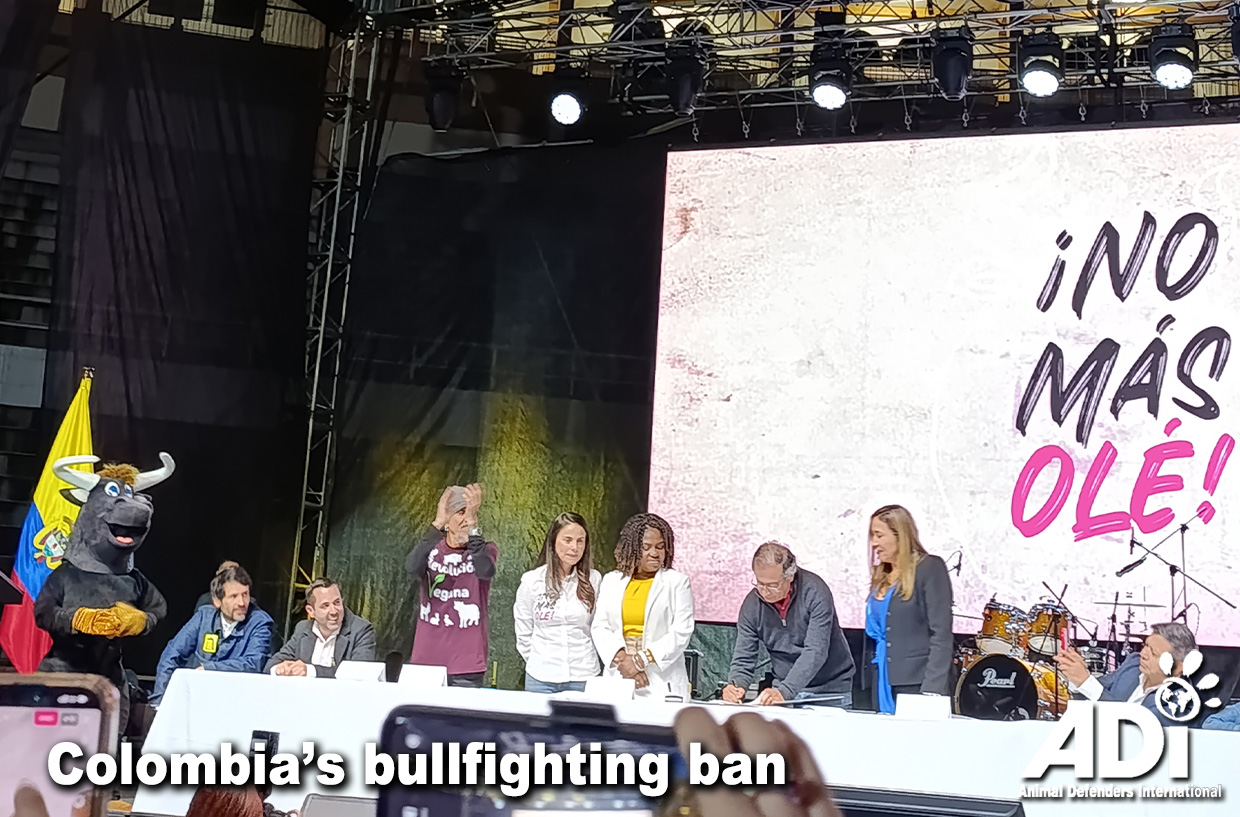
It has been another great week for ADI as Colombia’s President Gustavo Petro signed Law No. 2385 to ban bullfighting! It has been a long, hard ADI campaign and the law will not come into force until 2027.  Nevertheless, it was cause to celebrate with a concert, speeches and ADI’s Eduardo Pena presented the President with an award, in Bogota’s bullring!

Despite ADI’s remarkable advances against the abuse of animals for entertainment – over 50 countries with animal circus bans ­– there is still much to do.

Now, is that time of year when many are considering a summer break, to relax and spend time with our loved ones, at home or abroad. Sadly, for animals that can mean holiday hell.

Worst of all many of these animal attractions specifically target people’s love of animals or a false promise of soaking up local culture.

NO SELFIES WITH WILD ANIMALS…..  Percy (above) was in a circus in Bolivia. To separate him and the other cubs from their mother, workers used sticks and metal bars to beat the lioness to the back of the cage. The cubs were then hauled through the feeding hatch, then taken to parks and town centres for people to pose for photos with them. Luckily ADI exposed his plight and rescued the family.  You can see that story in Lion Ark the movie here.

To keep the animals used in photo ops compliant, they are isolated and made dependent on their captors. Some are drugged. Traffickers kill families to capture baby monkeys and other animals in the wild. Don’t believe it when you hear claims that baby animals have been “rejected by their mothers”.  ADI has rescued many monkeys where the teeth have been broken to stop them biting. In one case the teeth were so infected that pus was erupting all over the little monkey’s face – luckily the ADI veterinarians were just in time.

There’s nothing pretty about selfies with wild animals, it’s an ugly business.

NEVER RIDE ELEPHANTS…. It can be a seductive holiday image, a line of elephants carrying tourists in the Asian sunset.  Don’t be fooled, it’s a brutal business. These gentle giants are beaten with bull hooks and sticks to break their spirit as babies. For a few minutes of “entertainment,” elephants pay a heavy price. ADI investigators have filmed the beatings and electric shocks used to train elephants – and seen how seemingly harmless gestures in public like pats, are in reality threats of pain if the elephant doesn’t obey. There are also serious risks with the public not adequately protected from these large, stressed animals.

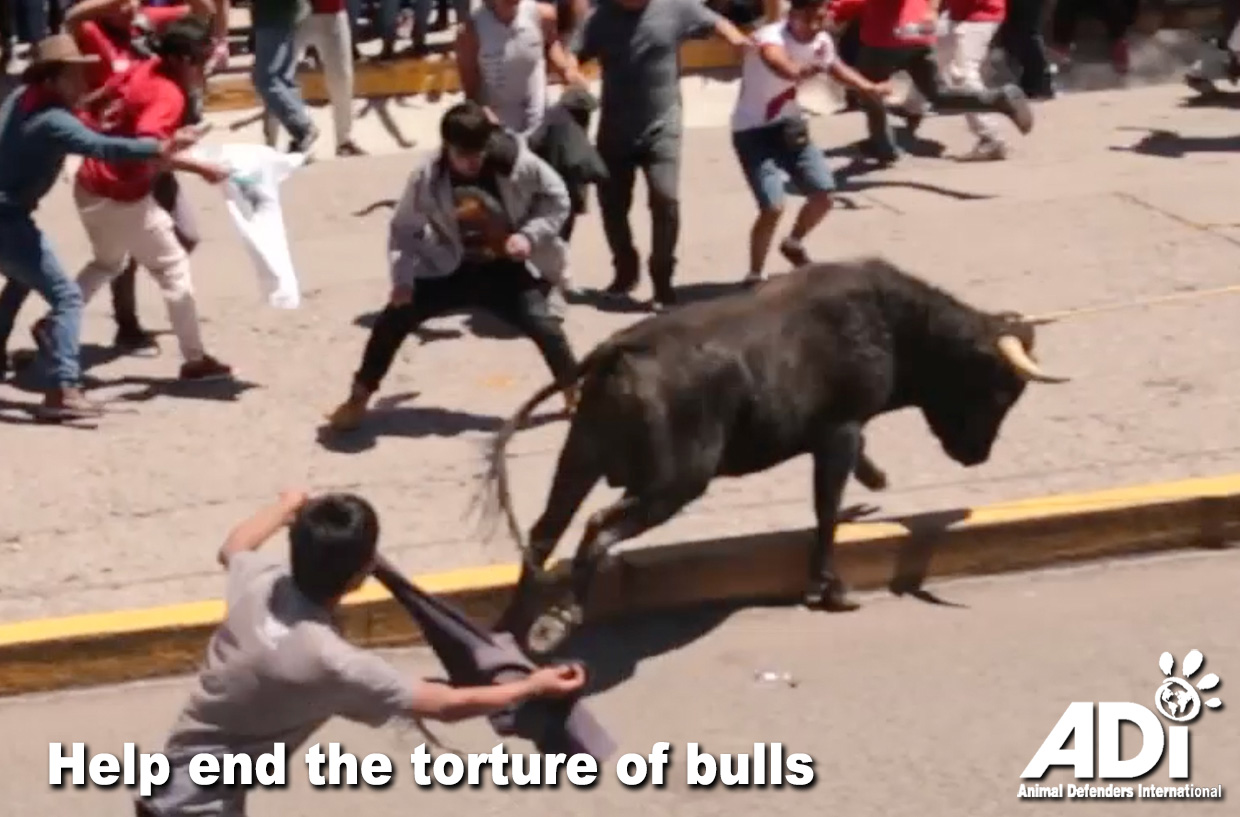
BOYCOTT THE BULL RUN…. ADI investigators on the ground have witnessed the drunken mobs terrorise, spit on, kick and beat frightened bulls to drive them through city streets. No matter how much it is claimed to be tradition it is animal torture plain and simple. ADI secured a ban on Ayacucho’s notorious bull run in Peru but there are still attempts to stage illegal events and in Spain there are more than 1,820 municipalities holding such events each year. These often end in the bullfighting ring. One of the most grotesque examples of people getting pleasure from the public torture of an animal. Nothing brave, nothing noble, just torture and death. The victory in Colombia is showing that these barbaric pastimes are on the decline and sustained by a cruel few. Let’s consign them to history. Make sure you let travel operators promoting such events know how you feel.

STOP CIRCUS SUFFERING…. Circuses cannot meet the needs of animals. Animals are confined in small cages, chained or tethered, deprived of their physical and social needs. ADI evidence behind the scenes has shown how these animals are forced to perform tricks through physical violence and intimidation.  A quarter of the world’s nations have banned wild animals in circuses. Jade (pictured) was rescued after Guatemala banned all animal acts and now enjoys acres of space at the ADI Wildlife Sanctuary, South Africa. So, it seems extraordinary that countries like the USA, Germany, and Brazil still allow this archaic misery. Only support human acts. That’s the future and that’s where you’ll see real talent.

DON’T WALK WITH LIONS…. It may be a bucket list activity for some, but these interactions compromise welfare and can cost the animals their lives. A continuous supply of young lions is needed for customers to either pet, cuddle, or walk with. There’s not much future as they get older, and they end up in canned hunts and their bones sold. The South African government has promised action to end the captive lion farms and these interactions and ADI is has submitted evidence to the Ministerial Task Force. But it is vital tourists boycott these attractions NOW.

Remember: If you see suffering on holiday, be sure to report it and send pics to ADI and ensure travel operators know. Never support animals being used for entertainment.

Please support our work to help animals suffering in the name of entertainment, we are making real progress but there is still much to do, please Donate UK £ I Donate US $

Where every day is Independence Day for animals

With ADI’s US supporters enjoying Independence Day yesterday, my thoughts turned to all the animals taking their first steps to freedom thanks to your support – their own Independence Day.

There is something magical about those first steps from their travel crates at the ADI Wildlife Sanctuary, South Africa, or indeed back to the rainforest in our ADI funded facilities in Peru.

Here are a few memories and videos of these special moments…

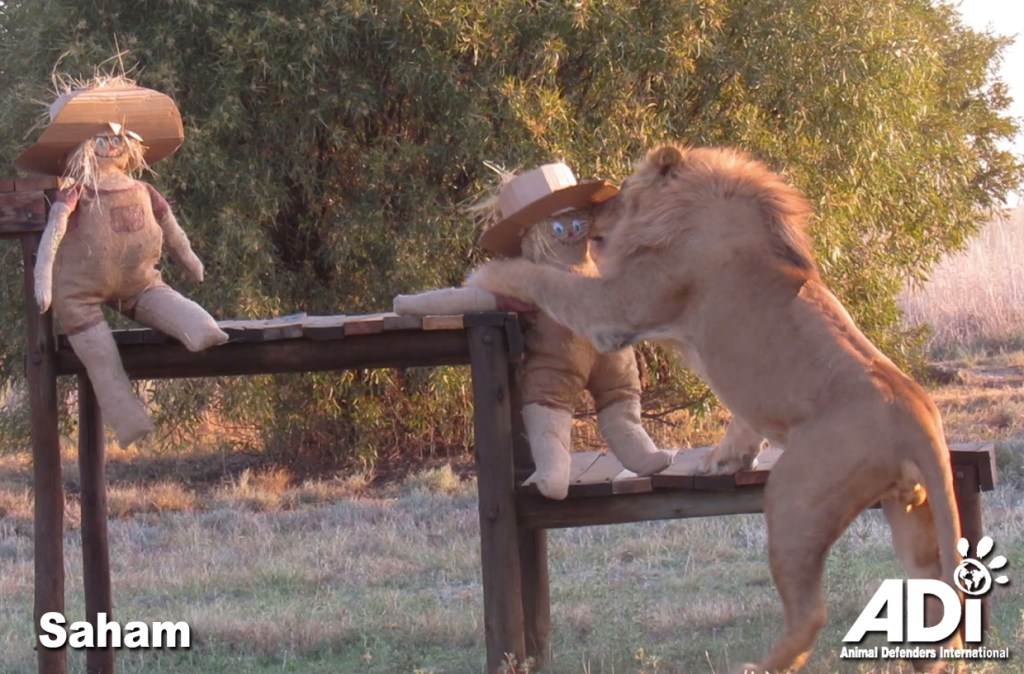
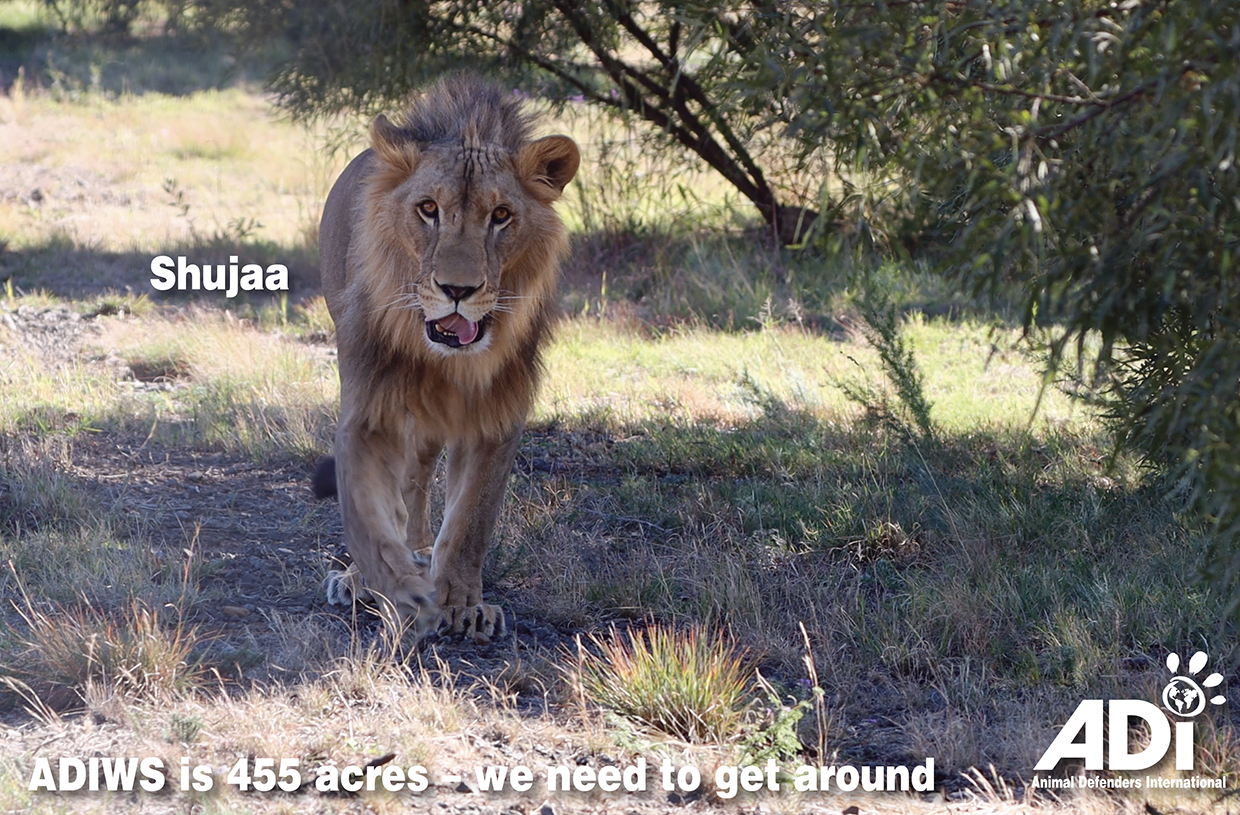
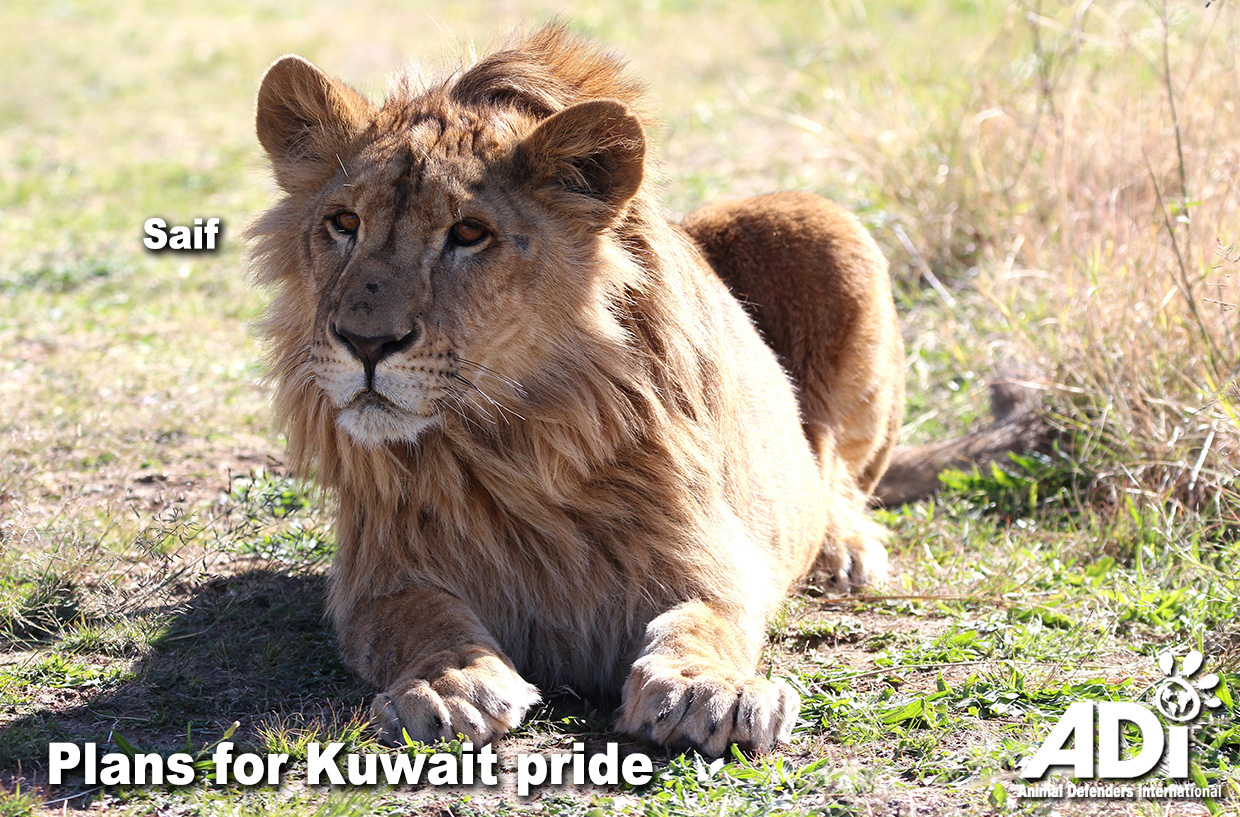
It’s been less than 2 months since we brought Dhubiya, Shujaa, Saham, Muheeb, Aziza, and Saif home, but what a transformation we have seen in this short time!

The ‘Kuwait 6’ were rescued from the illegal wildlife pet trade, after owners abandoned the young lions in the streets of the city, and some dumped in the desert to die.

It has been a joy seeing them relax and settle in. I promise this video of the young lions, exploring the world nature intended for them, will put a smile on your face.

Most of the animals we save cannot return to the wild. They are in-bred and often mutilated with toes cut off to stop claws growing and teeth broken, leaving them defenceless and without the tools necessary for survival. So, it is special when we can rehabilitate and return animals to the wild.

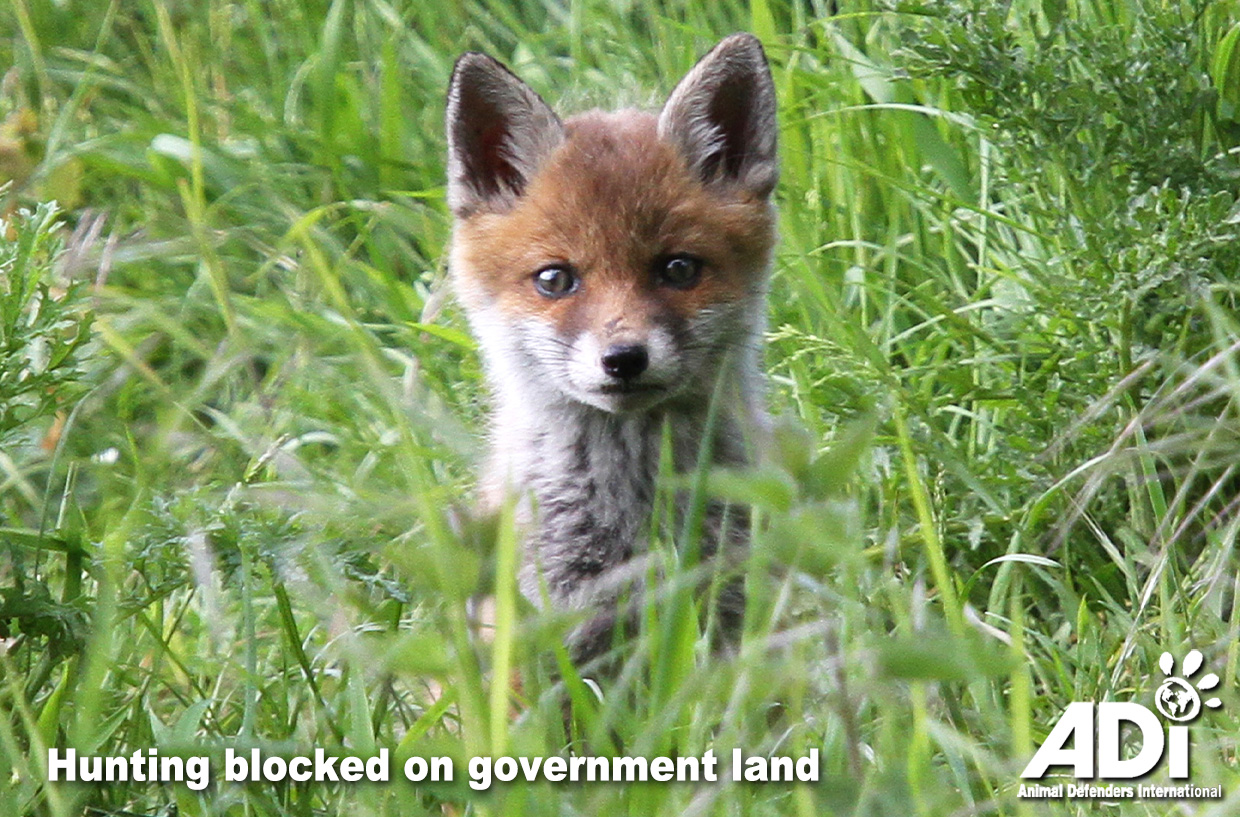
We have released hundreds of rescued tortoises and turtles in Peru and at ADIWS. I have fond memories of the fox we saved from an illegal Peruvian zoo, bolting out of the crate for freedom. Although there is a special place in my heart for Maruja, Peru’s last circus monkey. Watch the moving story of her rescue, reunion with her own kind and return to the rainforest.

When we emptied Guatemala’s circus cages, the gruelling 18-month operation concluded with an epic flight home to Africa for 17 tigers and lions, from Guatemala to Mexico to Belgium then Qatar for a flight change, then finally home to South Africa.

You were perhaps one of the people watching and cheering us on, as we brought the cats to the ADI Wildlife Sanctuary. Jade and the other cats must have felt a bit bewildered as they stepped out into the sunshine, open sky above their heads, grass beneath their feet, space all around them, but they certainly took no time at all, in embracing their new world.

This video captures the airlift and those first incredible steps.

Dear Ruben’s time with us was all too short, but from that first big paw hitting African ground, he seized every moment. He played, he drove himself on to walk, and he roared again, home in Africa. In seven months in the land of his forefathers he transformed and inspired us all.  We miss him so much, but he will always be with us. He has left his legacy.

Next month marks ten years since Operation Spirit of Freedom saw us rescue over 100 animals from circuses in Peru and Colombia, when we flew David and 32 other lions home to South Africa. We had emptied the cages again.

The life changing first steps for these animals symbolise everything we work for.

It takes us many stages to achieve permanent change: our undercover investigations, exposing the evidence we film, publicity and creating awareness, securing legislation, and then those huge missions to empty every circus cage in Bolivia, Peru, Colombia and Guatemala.

Each time we leave behind another empty cage and another animal steps free, I think of that as an “ADI Independence Day”. Your help has given us many happy endings, I hope you will help give that gift to more animals. Donate US $ | Donate UK £

News from ADI: lion rescue, bullfighting ban and more

The last few weeks have been extraordinary, we brought six young lions, saved from the illegal wildlife trade in Kuwait, home to the ADI Wildlife Sanctuary, and secured historic legislation to ban bullfighting in Colombia. And that’s not all! We’ve rescued four horses, released more tortoises, and there have been victories for circus animals, fur animals, octopuses, and farm animals. Together we are making a difference. Read on and enjoy some of the month’s victories.

Dumped in the streets of Kuwait City or left in the desert to die by callous owners, Saif, Dhubiya, Aziza, Muheeb, Saham, and Shujaa, had a real change in fortune when they were recaptured and offered a home at the ADI Wildlife Sanctuary. After being temporarily housed at Kuwait Zoo, the lions were sedated and loaded into travel crates for a flight on a cargo aircraft donated by the Qatar Airways WeQare program to take them to South Africa. The young lions have been enjoying their time in Africa and, after a period of quarantine and observation, this weekend will have access to their large, natural, main habitats. Watch out for an update and check us out on social media.

A huge thank you to everyone who supported this important rescue.

SAVE THE DATE: To help raise funds for the lions’ lifetime care, which may be as long as 20 years, we will be holding a very special Animal Art Auction June 14th – 21st. Keep a lookout on our social media for more details and how you can place a bid on your favourite!

Good news: After a seven-year battle to secure legislation to end this savage cruelty, May 28th saw the historic law passed banning bullfighting in Colombia.  In addition to ending the suffering of bulls and horses in Colombia this will have ramifications through the Latin world. Huge congratulations to ADI Colombia’s Yani Mateus and Eduardo Pena for their tireless work, the Colombia Sin Toreo coalition we were part of, and everyone who backed this campaign, WE DID IT!

Good news: Maryland became the fifth US state to ban the use of exotic animals (elephants, big cats, bears, and primates) in circuses and other travelling shows.  In other good news from the US, Hadi Shrine Circus are retiring elephants from their shows. If you live in the, take action for a nationwide ban – urge your Congress members to support the reintroduction of TEAPSPA (Traveling Exotic Animal and Public Safety Protection Act). https://bit.ly/SupportTEAPSPA

Good news: Arlington became the seventh municipality in Massachusetts to ban the sale of new fur.  To take action against fur farming nationwide in the US, urge your Congress members to support the Mink VIRUS Act https://bit.ly/stop-the-fur-trade-US.

Expanding its no fur stance, Copenhagen Fashion Week will no longer allow items in collections containing wild animal skins or feathers. The welcome move, starting next year, is part of a broader move to be more sustainable.

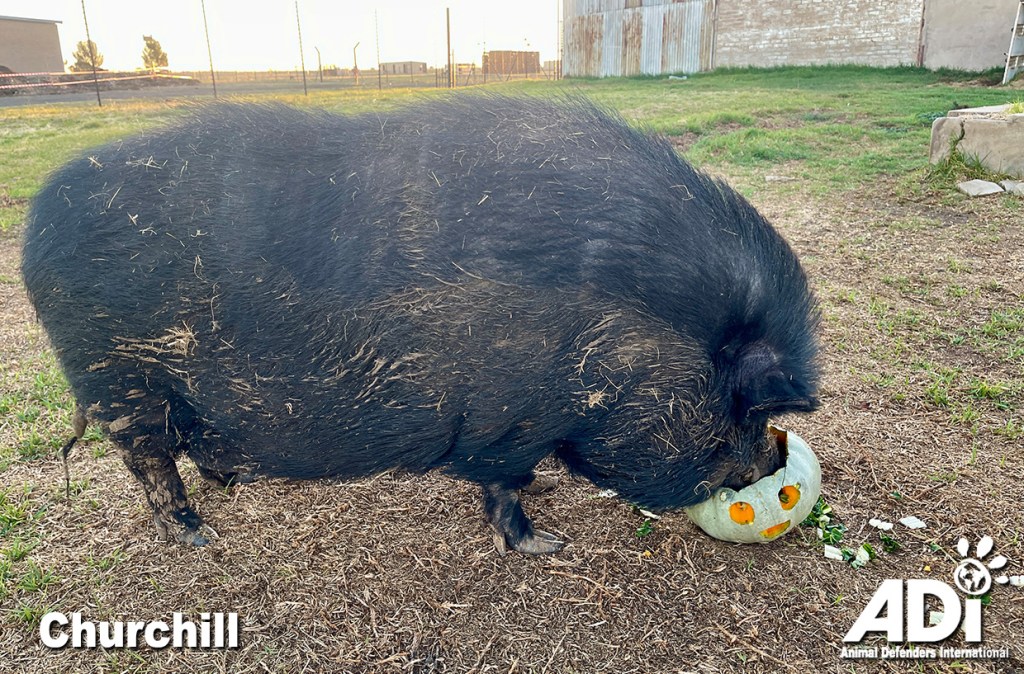
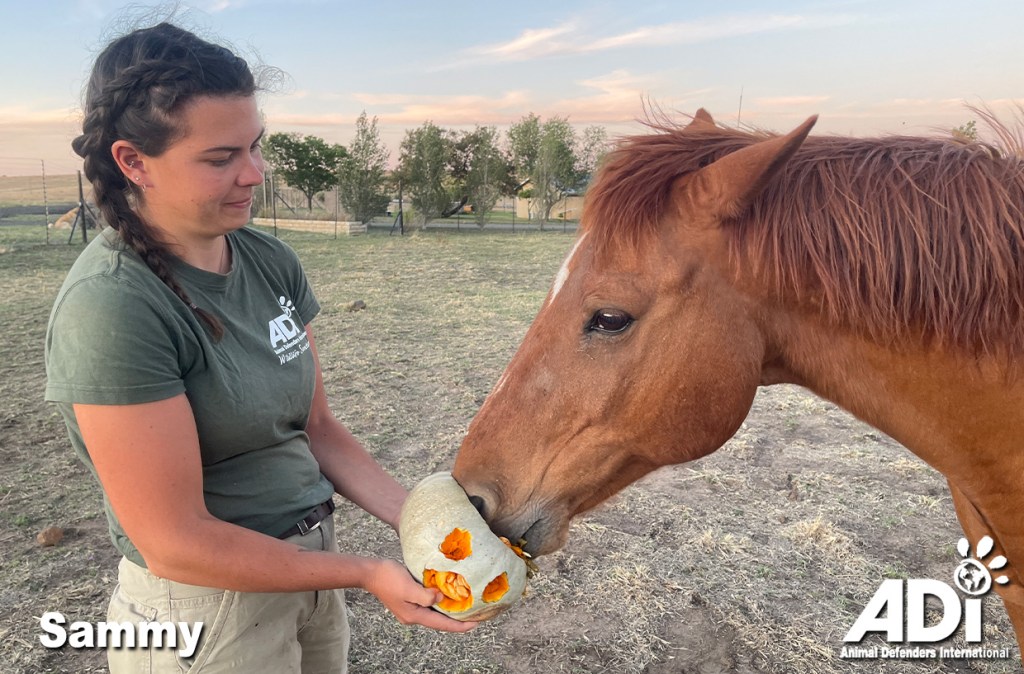
Good news: Four horses, parents Apollo and Amani, little Crockett, and Sammy were found hobbled and in poor condition in a township street, now they are roaming acres of space at ADIWS.  Our sanctuary has become a beacon of hope for many animals saved from abuse or traffickers, that would otherwise have nowhere to go. The horses have joined our rescued donkeys, geese, ducks, goats, sheep, pigs, and a cow, as well as, as a release site for, countless tortoises and turtles.

Save the date: In a few weeks’ time, we’ll be calling on those who represent us to act to protect nature and hope you can join us! The Restore Nature Now march and rally is a peaceful protect supported by members of the public from across the UK, and wildlife and environmental groups.

What: Restore Nature Now
When: Saturday 22 June, 12.00-4.30pm
Where: From Park Lane to Parliament Square, London
See www.restorenaturenow for more details. Email info@ad-international.org to let us know you will be attending.

Take action: The Faroe Islands resumed their annual hunt, Grindadrap, slaughtering over 170 pilot whales.   Pods of pilot whales, and other dolphin species, are chased into a bay and dragged to shore, knives and hooks used to injure and kill the animals, turning the waters red. ADI is part of the Stop the Grind coalition to end the hunt and need your help. Please email Visit Faroe Islands at info@visitfaroeislands.com and tell them you will not visit the Islands, as long as these barbaric hunts continue.

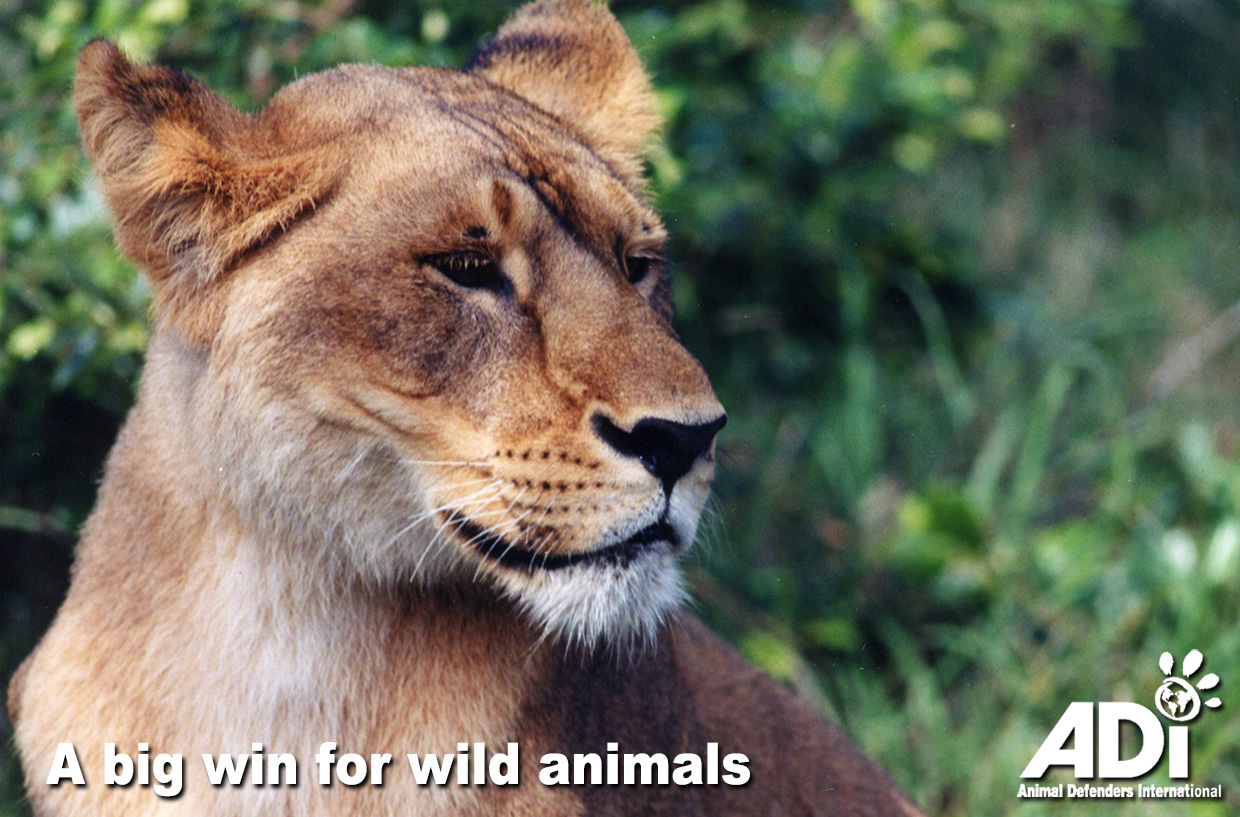
ADI South Africa has been in discussion with the Government of South Africa’s ministerial task force to develop plans to end lion farming. A response to the damage to the country’s reputation from the captive lion industry and canned hunting, a draft policy, which ADI submitted to, has been approved. South Africa has just had a general election and we will need to see how this is going to be progressed.

Good news: The UK’s Animal Welfare (Livestock Exports) Bill passed, making Britain the first European country to end the export of live animals for slaughter and fattening. In Australia, legislation has been introduced to ban the live export of sheep on ships to the Middle East.

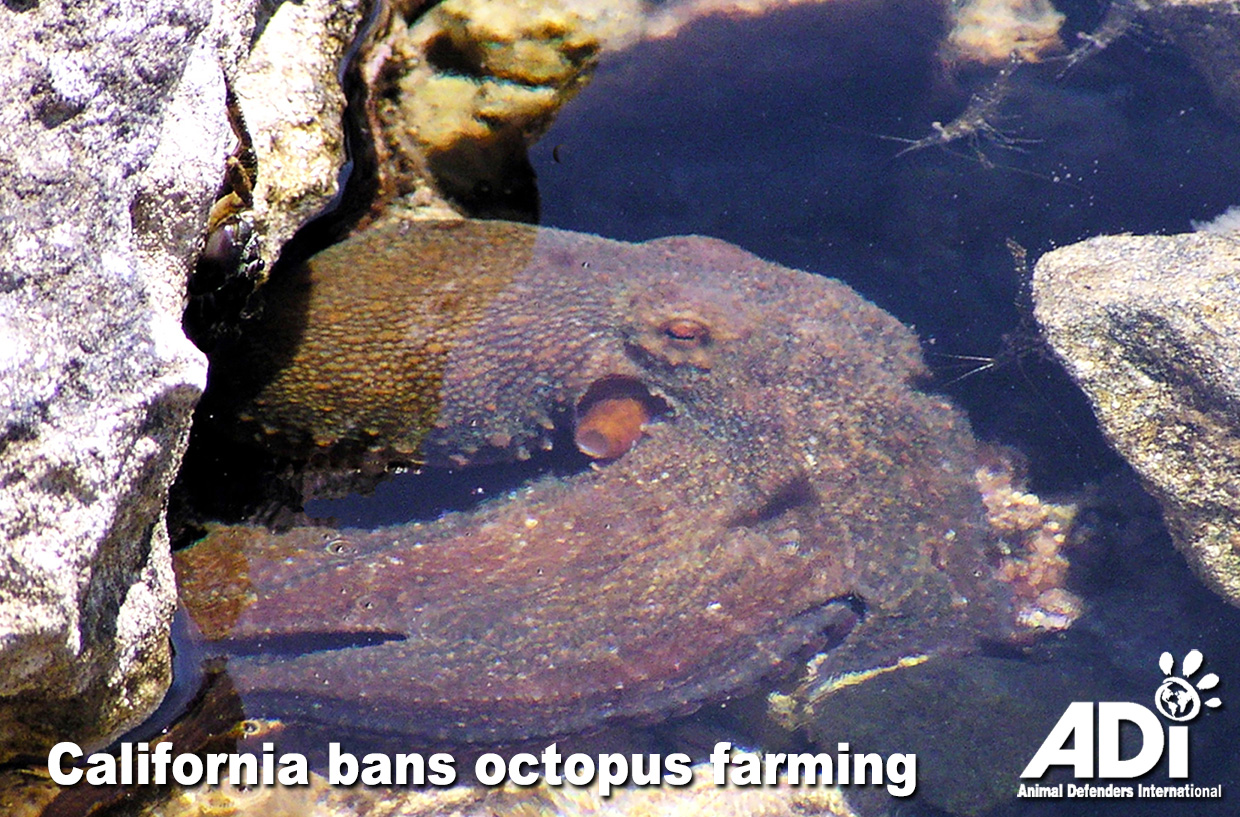
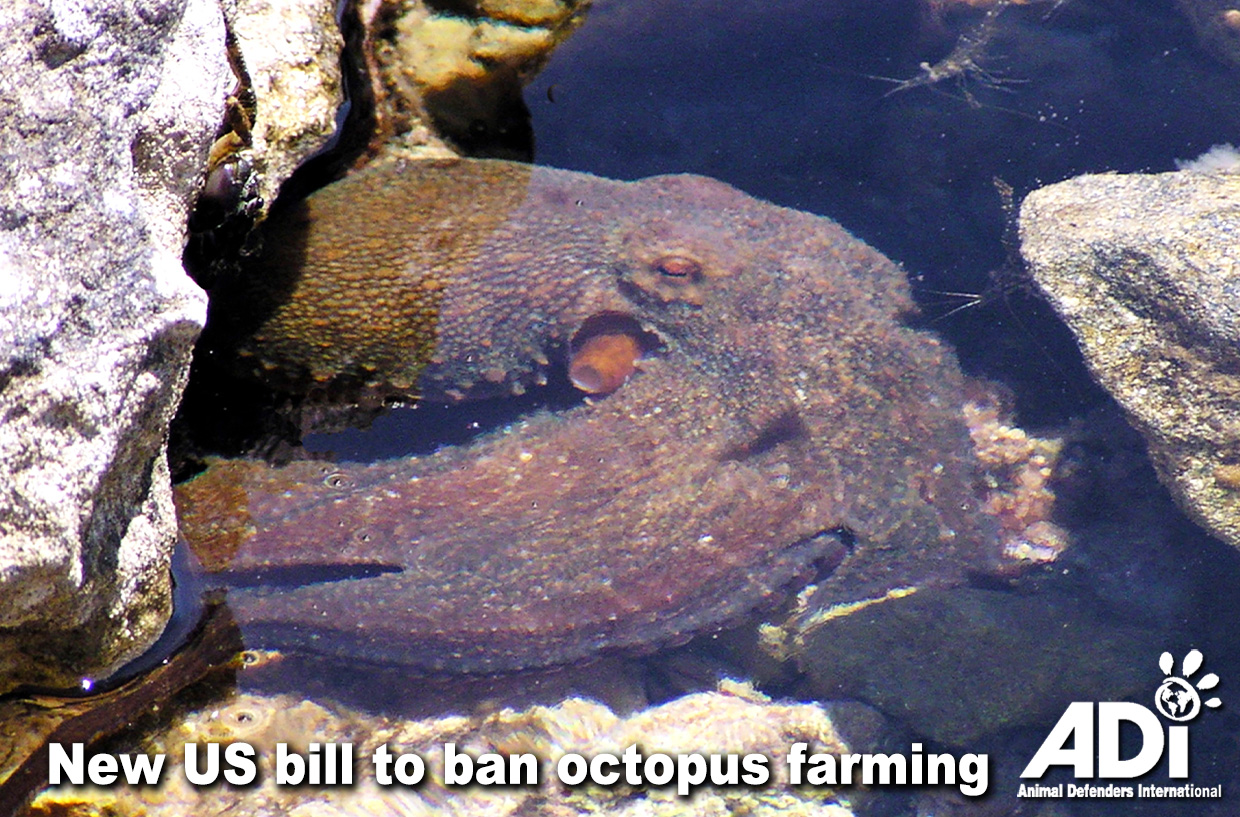
Good news:  Washington State has banned Octopus farming, the unethical and environmentally harmful practice which leads to suffering and sickness for this most intelligent animal in the oceans. California is also considering a similar bill, AB-3162, which has passed the Assembly and is now in committee in the Senate. If you live in California, please urge your Senator to support AB-3162.

Good news: Three more rescued tortoises (including the big fellow pictured) have been released at ADIWS, after being confiscated by the SPCA from wildlife traffickers. Roaming freely over the Sanctuary, one large tortoise, released earlier this year and known as large Stefan, has taken up residence near Chris Lee Lodge and is regularly spotted.

Last month really showed how together we can make a difference for animals.  Please keep supporting our campaigns and rescues and let’s change the world for animals. Donate here.

‘Pet’ lions who were abandoned to die, start new life in Africa

We did it! The Kuwait 6 lions are home at the ADI Wildlife Sanctuary.

Eleven days ago, Tim and I arrived in Kuwait to oversee the rescue of the Kuwait 6 lions – Muheeb, Saham, Shujaa, Saif, Dhubiya and Aziza. We worked on the final paperwork, assessed the lions, planned the loading, confirmed truck rentals, and oversaw re-construction of the travel crates we had sent flat-packed from South Africa. Our veterinarian Dr Peter Caldwell arrived, confirmed the lions were fit to travel and we were ready to go.

The young lions (only one adult) were all captured after being dumped by owners in the streets of Kuwait City or the surrounding desert.  Purchased as status symbols, then cast off when no longer wanted, Dhubiya and Saif were tiny cubs when they were found starving and dehydrated in the desert. 

What sort of people would discard these tiny baby cubs to die? This cruel trade must end.

At 2am on Sunday we were at Kuwait Zoo, where the lions had been temporarily housed, making final preparations to load the animals. Dr Caldwell and the zoo veterinary team oversaw sedation, loading, and reviving of the lions in their crates. It is very important to bring the animals around before they travel, as it can be dangerous if lions are unconscious and roll into the wrong position, which can cause suffocation.

Shortly after 4am all of the lions were crated, fully conscious, on board our truck and we reached Kuwait airport at sunrise. The crates were checked again and Tim tightened bolts to ensure everything was secure. We unloaded them onto the cargo dock.

Not long before midday the lions were rolling onto our cargo flight donated by Qatar Airways Cargo as part of their WeQare scheme. We had laid out all the pallet positions to keep stress to a minimum: Shujaa with Saham, Aziza with Muheeb and Saif and Dhubiya on the final pallet. They were positioned just behind where we were sitting so that we had full access to the lions throughout the flight to give water and food as needed. 

We took off at 12.55 and reached Doha about an hour later, where we gave the lions some food and topped up their water. After a smooth flight, we arrived in Johannesburg early, at about 11.30pm. Then our hearts sank as there was a query on the Kuwait paperwork and all the offices were shut. We had to wait. 

We ensured the lions were in the quietest spot and Johannes, Jan, and Karen checked them regularly, giving treats. Not long after 2pm on Monday the lions were on their way out of the airport and being loaded onto the truck, donated by Gas Boys, Virginia, Free State and Theo Smit, who said they would wait as long as it took to get the lions. We were grateful when they drove, slowly and carefully, to the ADI Wildlife Sanctuary, even though it meant arriving after 9pm. 

One by one we lifted the crates down and released the lions into their night houses where they had nice hay beds to rest in and keep warm. By midnight, as the calendar rolled over to Tuesday, the exhausted ADI team headed to bed. Just a few hours later, we were opening the houses and watching the lions step out into the morning sunshine in their quarantine enclosures.

For two weeks the lions will be in quarantine enclosures which measure 6,700sqft to 13,500sqft, enough space to jump on their platforms and play with giant balls, catnip punchbags and other treats, but it will be really exciting when they are released into our large natural habitats of several acres.

These young lions symbolise an illicit, global trade which is now being boosted through irresponsible social media posts featuring people petting and ‘playing’ with big cats.  

Babies are taken from their mothers when young and cute, leaving them lonely and dependent on their captor for food and attention for life. The animals are often kept in isolation and in inappropriate conditions including being chained or caged in basements. Often as these animals get bigger, stronger, and expensive to feed they are simple thrown away – just as the Kuwait 6 were.

As we celebrate the joy of these six lions playing in the African sunshine, let’s also step up our efforts to end this cruel trade. Donate UK, Euros, Rand | Donate US $, CA $

Remember, these young lions could be in ADI care for another 20 years.

To donate towards their care: UK, Euros, Rand | US $, CA $

To adopt one or more of the lions, see our UK store | US store

All of the lions are settling in well.  Thank you to everyone who cheered us on and helped bring the lions home.

Kuwait lions fly this weekend!

Liftoff for the Kuwait 6 is almost upon us and we have been preparing all week in Kuwait.

Our veterinarian Dr. Peter Caldwell has arrived and checked the lions; we are ready to begin loading them into their travel crates at 2am on Sunday (May 19). They will be sedated, loaded, brought around again, checked, and driven to the airport. Our Qatar Airways Cargo aircraft (donated as part of their WeQare program) takes off at 1pm.

Tim, Peter, and I will be with the lions throughout the flight, providing snacks, water, and ensuring there are no problems. We will arrive in South Africa at midnight. The lions should be stepping onto African soil for the first time in their lives at the ADI Wildlife Sanctuary, after daybreak on May 20 (in quarantine). We will be posting live on social media throughout the operation.

Illegally purchased as ‘trophy pets’, the six young lions, Muheeb, Saham, Shujaa, Saif, Dhubiya, and Aziza, had been dumped when they were no longer wanted – discarded like a fashion accessory of which the owner had become bored.

Saif and Dhubiya were small cubs when they were abandoned to die in the desert. Found starving and dehydrated, they were nursed back to health at Kuwait Zoo. Volunteers and staff at the zoo have looked after the lions until a home could be found. Some of the rescued lions had been released to run free in the city streets, or left tied to lampposts, while others were seized by Kuwait officials fighting the illegal wildlife trade.

This is an important rescue. It will transform the lives of six lions and will put a spotlight on a cruel, global trade, being fueled by social media. Tiny babies are stolen from their mothers when they look cute, forcing them into a life of loneliness and dependency on their captor for food and affection. The traffickers smuggle animals in suitcases where many die, and once sold, they are destined for an unnatural life caged or chained.

Tragically, social media all over the world is awash with irresponsible posts featuring people petting and ‘playing’ with big cats. Big cats should never be pets. Lions can live for over 20 years and quickly become powerful, expensive to feed, and when just expressing themselves naturally, they are dangerous to humans. Each of the Kuwait 6 were dumped before even reaching adulthood.

A huge thank you to everyone who has been supporting this rescue. In addition to preparing the sanctuary with adaptations to habitats, the big cost we face is the care of these animals for life. Can you help us care for these six youngsters about to start their new lives at the ADI Wildlife Sanctuary? Please donate here.

You can also support their care with an adoption for Aziza, Dhubiya, Muheeb, Saham, Saif, or Shjuaa from ADI’s UK or US stores.

Now, let’s bring them home!

ADI Campaigns–Rescue–Sanctuary News

The countdown has begun! We are so excited to share with you that the Kuwait 6 lions will be arriving at the ADI Wildlife Sanctuary on Monday 20 May.

Young lions Saif, Dhubiya, Muheeb, Saham, Shujaa, and now Aziza, have been rescued from the illegal wildlife pet trade in the Middle East – and were either surrendered, confiscated, or captured after being abandoned. We are so thankful to the workers and volunteers at the Kuwait Zoo for caring for the lions, and to Qatar Airways Cargo who will move the lions free of charge as part of their WeQare scheme. I will be in Kuwait this week and will update you as we prepare for take-off on Sunday 19th May.

To help fund the lions’ lifetime care at ADIWS donate here: UK £, Euros, Rand | US $, CA $.
Read on to learn more about our campaign developments in the UK, Colombia, and the US, as well as rescue and sanctuary news.  

Colombia’s bullfighting ban on a knife edge. Despite hours of debate in the House of Representatives this week, the historic Bill 219/23C to ban bullfighting has yet to go to a vote. The ban will be back on the agenda on May 14. As well as lobbying, ADI has sponsored mobile digital billboards to tour Bogota, showing footage from bull fights and giving people the facts on the suffering of the bulls and horses. Despite public support for a ban, the powerful bullfighting lobby continues to pull out all the stops to block the bill. Support the Colombia Sin Toreo campaign

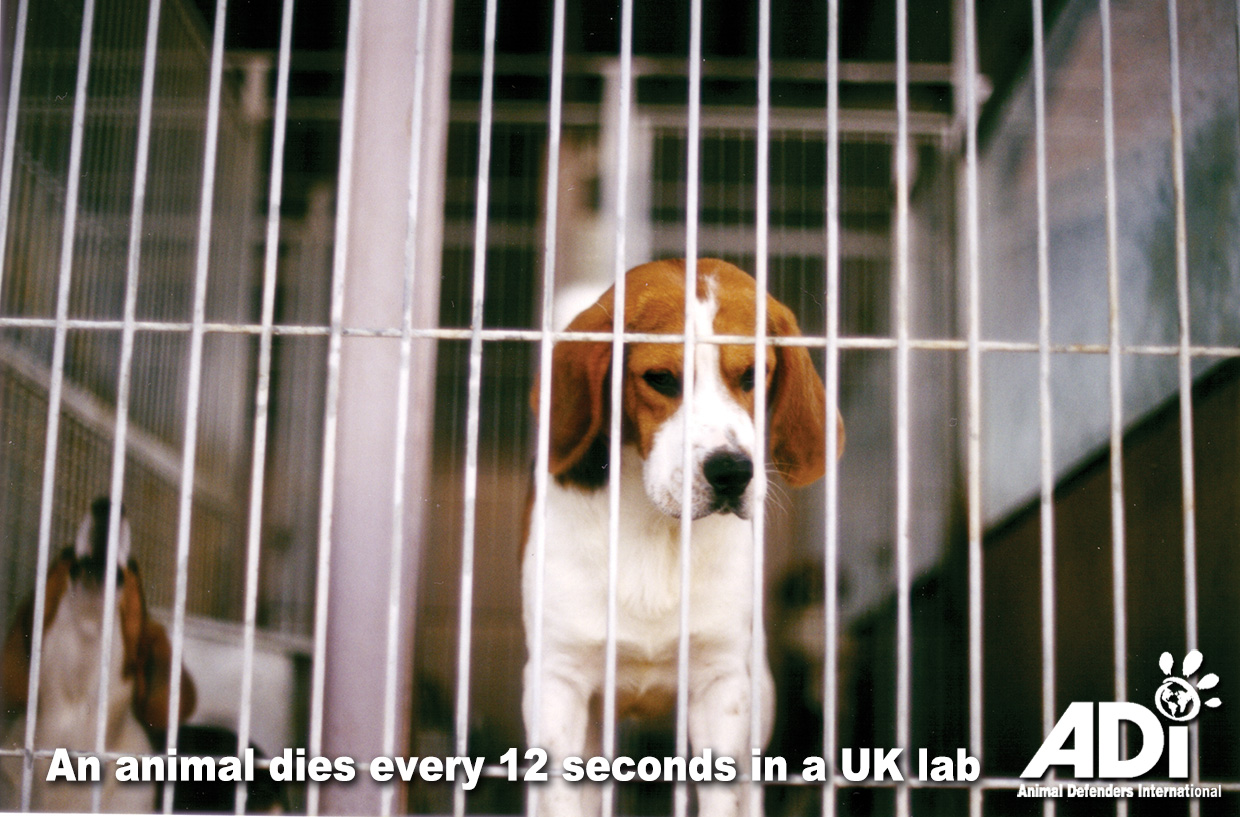
World Day for Laboratory Animals saw us highlighting the suffering of lab animals around the world. Globally, four animals suffer and die in tests or experiments every second. On World Day for Laboratory Animals, April 24, supporters urged their MPs and Representatives to call for the adoption of advanced scientific non-animal methods and wider scientific scrutiny of proposals for animal use. Better science for animals and people. If you have yet to do so, please take part here: UK | US

Our new End Animal Testing range is exclusively available from the ADI store. With t-shirts, hoodies and more to choose from, check out and order here: UK store | US store. As well as helping to raise awareness of the issue, all purchases help raise funds for our life-saving work too.

Wenatchee City Council in Washington unanimously voted to ban exotic/wild animals in traveling shows and to restrict their private ownership.

Elsewhere, female Asian elephant Viola escaped from the Jordan World Circus in Butte, with videos showing her crossing a busy four-lane street, obstructing traffic, with a handler helplessly running after her with a bullhook. She was eventually re-captured, but has a history of escaping the circus. Such incidents underscore the public safety risks of wild animals in circuses. If you live in the US, help secure a nationwide ban. Urge your Congress members to call for and support the reintroduction of the Traveling Exotic Animal and Public Safety Protection Act (TEAPSPA).

The Scottish Parliament has banned snares, under the Wildlife Management and Muirburn (Scotland) Bill. These noose-like devices, used to trap animals, are indiscriminate and can cause prolonged suffering.

Elephant and camel rides are back at Scarborough Renaissance Festival, Waxahachie, Texas, every weekend until May 27. The suppliers, Trunks and Humps were previously caught by ADI on video repeatedly beating Krissy the elephant and using a stun gun on her. The loud, crowded festival is a stressful environment for elephants and camels who walk in circles for hours carrying people. Please call on the Festival to stop these rides. Send a polite email to entertainment@srfestival.com.

Washington has become the 12th US state to take a stand against the use of rabbits, guinea pigs, rats, and mice to test cosmetics. Modern testing methods should now replace outdated animal use. With public support for ending these tests, national bans have now been secured in over 40 countries worldwide. For a nationwide ban in the US, call on your Congress member to support the Humane Cosmetics Act today.

Miami Seaquarium’s lease has been terminated reportedly due to deteriorating conditions and animal welfare violations. They have been ordered to leave but are refusing to do so. Lack of recourses led to them euthanizing a sea lion at the end of March. Aquariums and marine parks are no place for animals who belong in the wild. In the US, ADI supports the Strengthening Welfare in Marine Settings (SWIMS) Act to ban the taking, breeding and import/export of orcas, beluga whales, pilot whales and false killer whales for public display. Please urge your Congress members to support the SWIMS Act, S3694.

UK Government promises ban on Forced Swim Test, during which mice or rats are placed into a water-filled container, from which it is impossible to escape. The principle is that the animal will initially desperately attempt to escape, knowing that they will otherwise drown. When the animal eventually despairs, and gives up, becoming immobile, this is measured as an indicator of depression. Used for decades to test drugs for treating the incredibly complex human condition of depression, an end to this torture is long overdue. ADI is urging the commitment to implemented without delay.

House of Representatives votes 209 to 205 to remove protections for gray wolves. ADI and 102 other organizations signed onto a letter to US House members opposing The Trust the Science Act (HR764), which directs the Secretary of Interior to reissue the final rule to delist gray wolves in 44 states and threatens to remove Endangered Species Act (ESA) protections for gray wolves. Sadly it was passed and moves to the Senate. Please call your US Senators and urge them to OPPOSE Trust the Science Act, HR764.

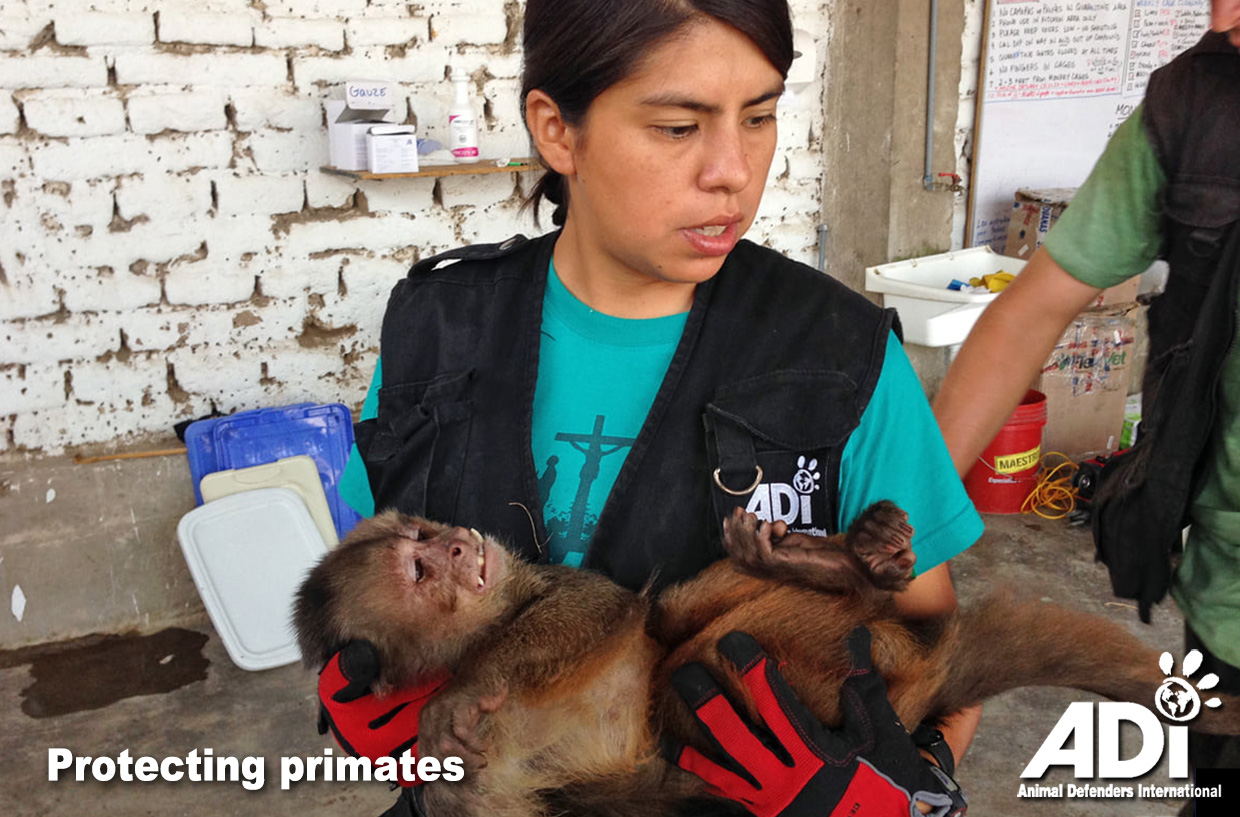
A young female capuchin rescued in Peru will be joining the ADI animal family in Peru in our Amazon forest habitats! Estimated to be 1-2 years old, she had been kept as a pet until the authorities intervened. Forced to live in environments so different to their natural worlds, wild animals kept as pets suffer deprivation and loneliness, and can develop physical and psychological problems. You can support the care of our newest rescue here: UK £ | US $.

UK Bill to ban hunting trophy imports, after passing its second reading, is now in the report stage in the House of Commons, date to be announced. The previous bill to progress the ban failed to pass in the House of Lords, after running out of time due to opposition from Lords. Help keep the pressure on and join the call to the Prime Minister to get the ban done.

Sea Lion Splash (despite their numerous USDA citations) makes ludicrous claim that they demonstrate the animals’ natural habitat. Yet, the sea lions and otters are transported in trailers that double up as a stage with portable pools and tanks that are wholly inadequate. Last month at the Pima County Fair, Tucson, Arizona, sea lions were forced to balance balls, catch rings, perform handstands and other tricks three times a day while Otter Adventure had otters swimming in tiny tanks described as an “interactive show” for “nonstop entertainment”. Please call and/or email Pima County Fair and politely ask them not to invite Sea Lion Splash, Otter Adventure, or any other performing wild animal acts back. Phone: 520-762-9100 | Email: office@pimacountyfair.com | https://www.facebook.com/pimacountyfair

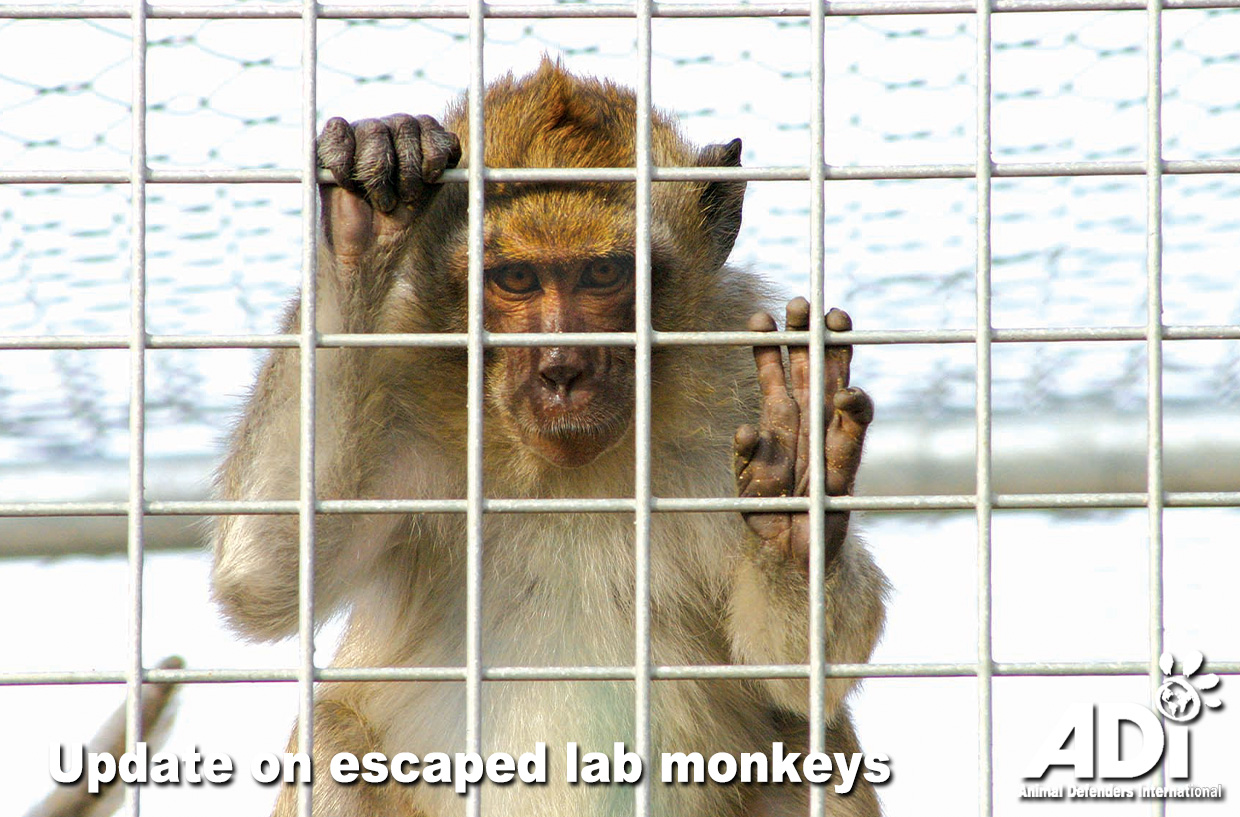
Lab animal supply company Safer Human Medicine plans to build a $396 million facility in Bainbridge, Georgia to 30,000 long-tailed macaque monkeys. Aside from the horrific fate these animals would be sold into, there are concerns about escapes and potential for disease. There are better, advanced scientific methods to replace animals. This International Macaque Week (the first week of May), will you speak up for the tens of thousands of macaques that could end up here? Urge Mayor Edward Reynolds to stop the plans and support better science. Send a polite email to edwardr@bainbridgecity.com.

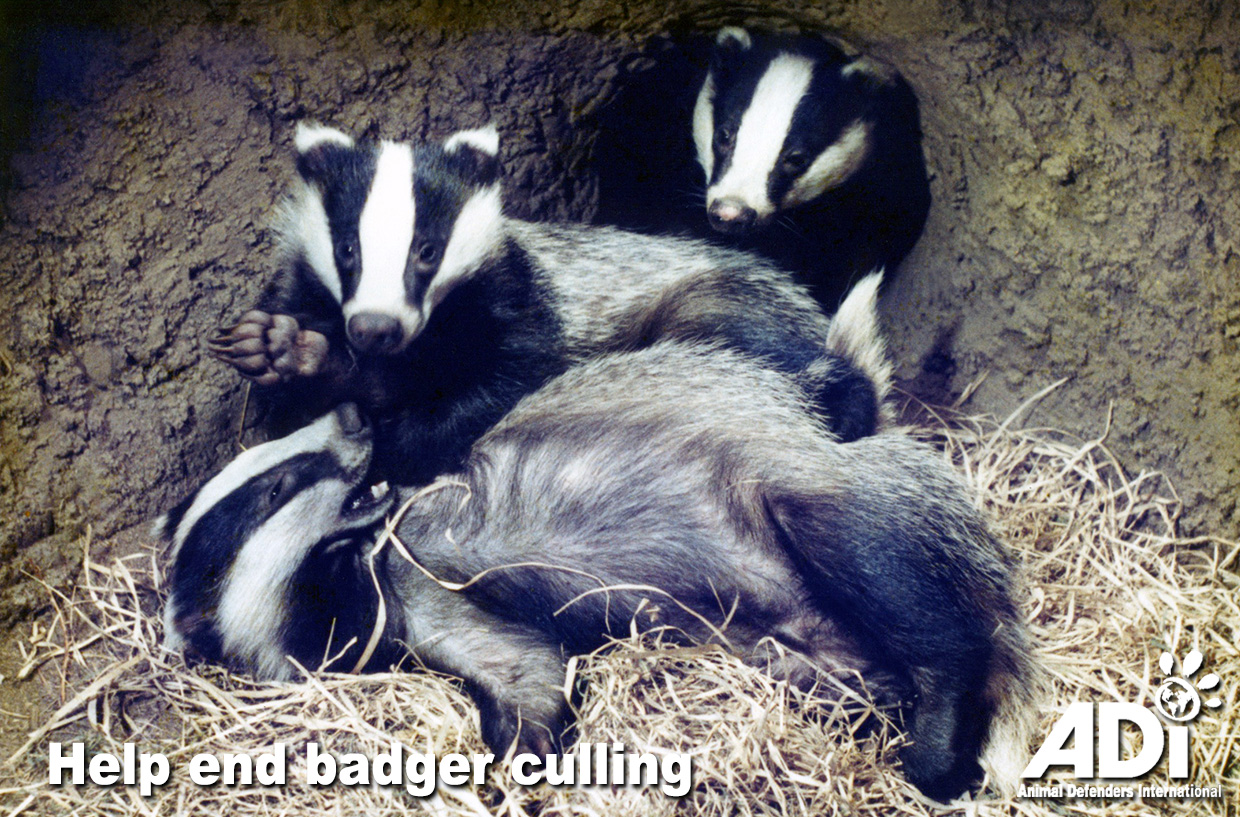
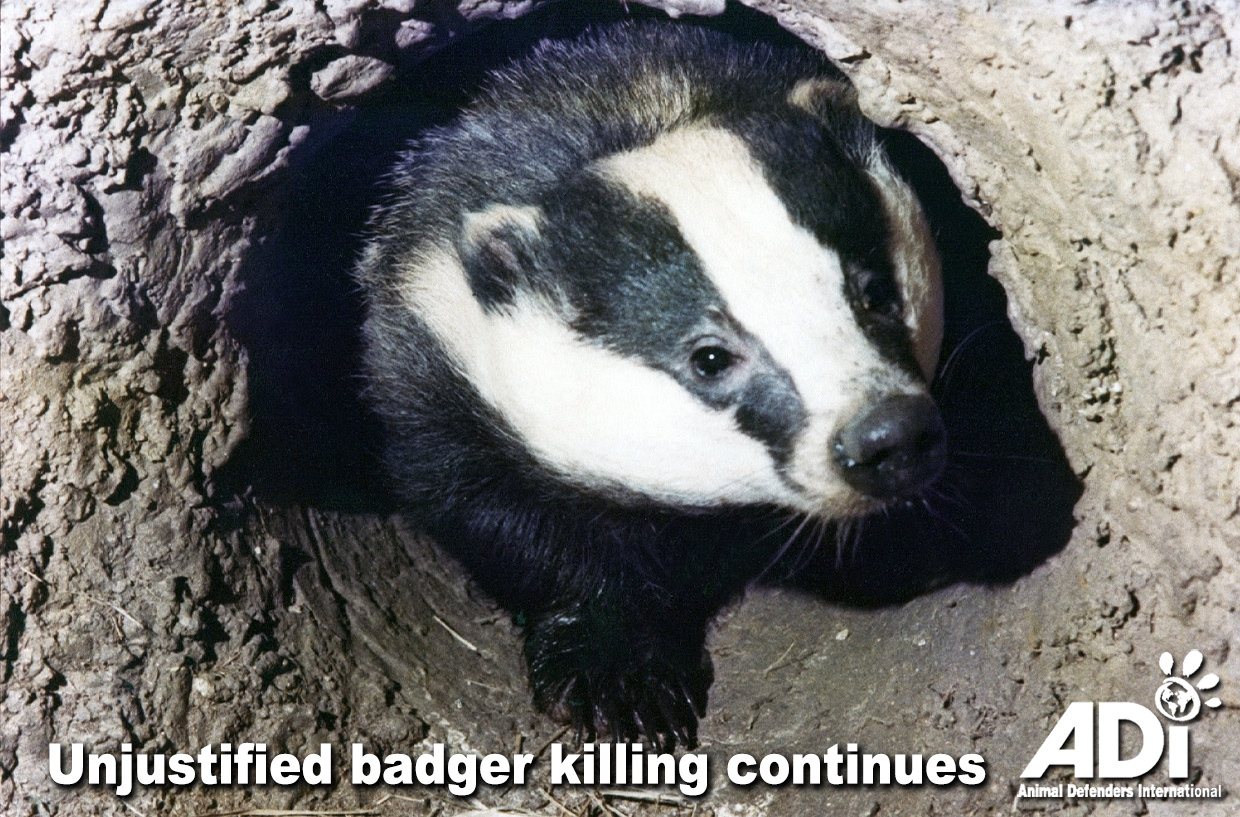
Killing of badgers in England is to intensify in ‘hotspot’ areas where populations could be reduced to almost zero, despite Government pledges to stop the culls. As studies have found, culling badgers cannot meaningfully contribute to the future control of bovine TB in Britain, the removal of badgers also impacting negatively on the wider ecosystem.  Join ADI in calling on the Prime Minister and DEFRA Secretary of State to end the killing. Take action here.

Easyjet will no longer offer trips to zoos and marine parks in their holiday packages. Tours and activities will not include tickets to harmful animal-based attractions, including rides, performances, and sporting events. ADI supports this positive change in policy and hopes other companies will follow their lead. In the UK, the promotion/sale of harmful animal activities will be banned under the Animals (Low Welfare Activities Abroad) Act, once regulations have been decided which ADI is calling on the government to progress.

Finally, if you missed our Facebook live from ADIWS as Max, Stripes, Kesari, Coco and Coco enjoyed some special watermelon and catnip treats, you can watch (or watch again!) the fun and games here

The past weeks have been overshadowed by the passing of Ruben. We have been overwhelmed and comforted by the touching response and kind words from all of you who followed Ruben’s story and supported his rescue and care. Thank you.

Ruben’s remarkable determination and lust for life inspired us all. We have rarely seen an animal so determinedly grasp his new life with both paws. When he arrived at the ADI Wildlife Sanctuary, Ruben’s entire countenance changed; his face was no longer furrowed and stressed but relaxed and happy. Above all else, a steely determination to grab hold of his new life emerged. He pushed himself to walk further and further each day. We came to believe Ruben could achieve anything. 

For seven months, he lived a wonderful life – a lion in the land of his forefathers and living with his own kind after years of loneliness. He found his roar again. His time with us was not enough, but we would do it all again to see him enjoy even just a week of the life he enjoyed in Africa. Farewell, Ruben, you lit up our lives. Read more here.

When the Kuwait 6 lions arrive at the sanctuary later this month, there will be an undoubted sadness amongst us all that they will not be moving in next to Ruben. But his memory and inspiration will live on.

With your support we can continue to make a difference for animals. To help, please donate here: UK £, Euros, Rand | US $, CA $

The countdown begins for the Kuwait 6

The news I am sure you have been waiting for – we are counting down to fly the Kuwait 6 (Muheeb, Saif, Dhubiya, Aziza, Shujaa and Saham) lions home to the ADI Wildlife Sanctuary (ADIWS), South Africa, on 19 May!

The South African CITES import permit had to be cancelled and reissued when we added precious, shy lioness Aziza to the flight, causing a delay. We are now working to secure the final veterinary permits and that will be their ticket to fly to their homeland.

With your help, 20 May – just 17 days’ time – will see these young lions running and playing, more space and sky than they have ever known, in the land of their forefathers at the ADIWS.

We will transform the lives of these animals and strike a blow against the cruel and illegal wildlife trade, fuelled by people seeking a status symbol – illegal, doomed for an unnatural life of isolation on a chain or caged in a basement, so that someone could show them off as if they were a new watch, or a car.

As these animals grow, they become too strong and expensive to feed, or the owner just becomes bored of the novelty and doesn’t want to care for a being who may live for 20 years. So  they are often abandoned. There are reports of lions being dumped in the desert to starve and lion cubs released on the streets of Kuwait City (as some of these were).

Our newest residents on their way to freedom at ADIWS were either abandoned, surrendered, or confiscated. We are grateful to the Kuwait Zoo and officials caring for these lions and helping us to relocate them. Also, a huge thanks to Qatar Airways, who are donating the flight as part of their WeQare programme.

Tim and I will be flying to Kuwait next weekend to build the ADI travel crates and make final arrangements before the flight. Dr Peter Caldwell will join us to do their physical examination and travel with the lions – Tim and I will bring you regular updates from Kuwait and during the flight.

DON’T FORGET – these precious lions need your support – they are young, and each could enjoy 20 years at the ADIWS – a combined 120 years in ADI care! Can you adopt one or more of them, support and follow them for life? We urgently need to cover their long term living costs. Can you help?

We have made our commitment, we’ll do whatever it takes to bring them home to their native land, but we must raise more funds for their lifelong care – so we can always provide aid to other animals in trouble.

Please consider a donation today: UK, Euros, Rand | US and CA $
Adoptions will be available soon.

The countdown has started, let’s bring them home!

Veterinary care on the frontline

For World Veterinary Day tomorrow (27 April) we pay tribute to our veterinarians, whether at the ADI Wildlife Sanctuary (ADIWS) in South Africa, or active on our large-scale circus rescues in the field at the Temporary Rescue Units, or in sanctuaries we support, or providing help during natural disasters, we salute the ADI veterinary teams around the world – Inés Nole and Eva Chomba from Peru, Dr Gustavo Gonzales from Guatemala, Camilo Uribe, Colombia, Dr Howard Rosner, US and Dr Peter Caldwell and Prof. Gerhard Steenkamp in South Africa, including all their teams and students.
Many of the animals we save have endured a lifetime of deprivation, malnutrition, and confinement in small, unnatural spaces, often living in constant fear. Tiger sisters Luna and Jade, rescued from a circus in Guatemala, both have a malformed skull and spine connection which impacts the spinal nerve, causing them to walk with a ‘goose step’ gait, for which we provide essential vitamin supplements and medications to reduce the damage. Our beloved Ruben’s body was ravaged by a lifetime of malnutrition from poor food, severe confinement and lack of exercise to develop his body, causing damage to his spine and degenerative neuropathy which ultimately claimed his life.

Early life malnutrition also leads to eye problems. Several of our lions have been rescued with cataracts, blindness, or sometimes with an eye already removed; eventually, advanced cataracts cause pain and inflammation with removal of the eye being the only option – this included Ricardo, Joseph, Amazonas, Kiara Cusco, Leo, and Smith.

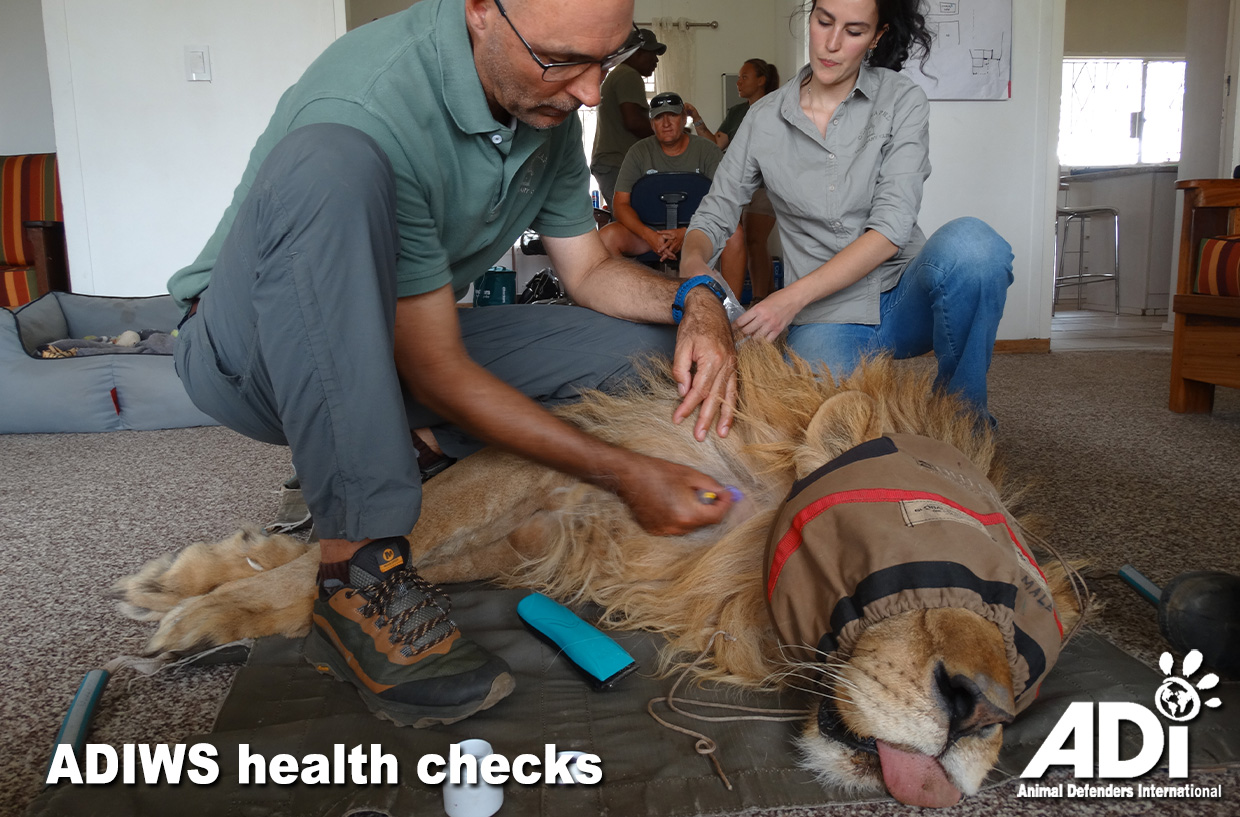
Lions and tigers invariably arrive with severe dental problems and gum disease due to their teeth being smashed when hit in the face by iron bars. Monkeys commonly arrive with teeth broken off to prevent them biting the ‘brave’ trainer who forces them to do tricks. This leaves them with infected stumps and gum disease which can infect the jaw. One of our regular tasks once we have rescued our circus and wildlife trade survivors, is dentistry sessions for root canals and extractions.

Circus workers pretend bravery when entering the ring with a lion, tiger, or bear, but what the audience does not know, is that circuses have brutally cut off the animals’ toes to permanently remove their claws – depriving them of their main defence against abuse. The pictures of our late bear, Cholita, show her missing digits cut off both front paws by the circus in Peru. They also broke off her teeth.

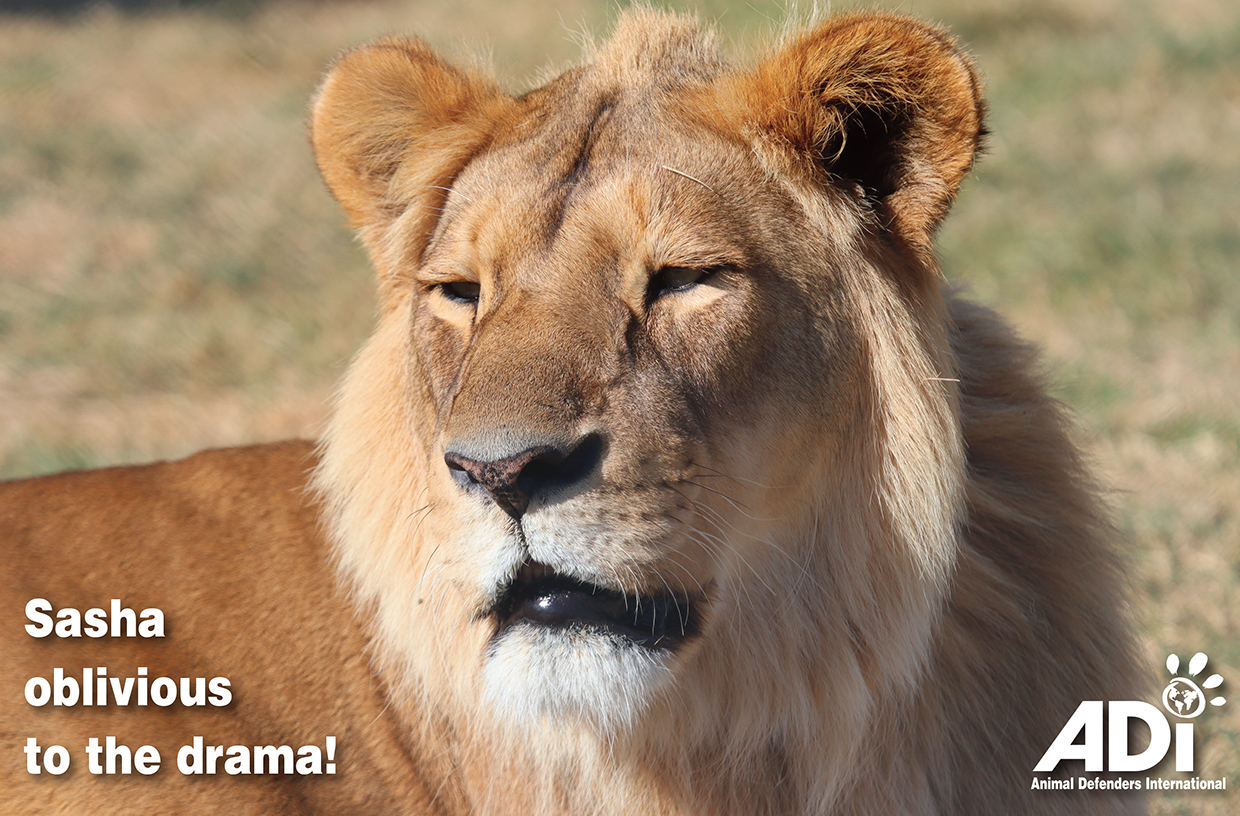
Cutting off an animal’s toes has the same effect as cutting off a person’s fingers – they lose the ability to manipulate things, scratch, play, and hunt. The damage to the feet of the big cats can be seen over time as the foot collapses, causing painful feet. Sasha lioness, who we rescued from a circus in Guatemala had suffered a toe being crushed rather than cut off during a declawing operation when she was just a cub. The pain and damage caused a limp which lasted all her life and the infection eventually led to cancer which travelled up her leg.  ADIWS veterinarian Peter Caldwell performed ground-breaking surgery when Sasha got to South Africa, replacing the diseased bone with a titanium implant. Sasha will always limp, because the tendons in her leg were not stretched as she grew due to the injury. Now, following her surgery, she is gradually putting her foot on the ground, helping to improve her movement. And of course, she is no longer in pain.

As well as providing a place of loving kindness, with natural habitats, routine enrichment, and neighbours of their own kind, the ADIWS provides the care our residents need for life, however long that may be.

Recently, before Ruben passed away, we were in the process of building a gantry on his house so that a hoist could be used to give him physiotherapy, and an inner enclosure for giving medications. The house already had a non-slip heated floor, and the feeding camp and main habitat were designed around his physical needs with slopes and lower platforms. We will complete this work, so we have a special needs habitat ready at any time. Despite the heartbreak of losing Ruben after 7 precious months we will not turn away from animals with health challenges in future. Our intensive care habitat will honour Ruben.

We have seen how we can transform the life experience of our rescued residents, as they become themselves again, so we will always work to provide for their physical and mental needs.

In due course, we hope to convert part of our large barn into the J. Jarie Jensen Veterinary Center and have veterinary facilities right on the Sanctuary. This and other infrastructure plans had been paused due to the drop in income we suffer as a result of the pandemic and ongoing economic problems.

To help us give our rescued lions and tigers the best life possible, despite the health obstacles they face, please donate UK £ / US $.

Ruben’s lust for life inspired us all

It is with huge sadness that I bring you news of the passing of our beloved and inspirational Ruben. I realize some of you may have already seen our announcements on social media – dear Ruben had many friends around the world.

As our vet Dr. Peter Caldwell advised, fifteen years of captivity and malnutrition left Ruben’s body compromised by spondylitis and degenerative neuropathy; the bones in his spine were disintegrating, damaging his spinal nerve. It was down to his character and determination that Ruben seized his time in Africa with both paws, enjoying a lifetime of experiences in just seven months (the equivalent of four years for a human).

When Tim and I first saw Ruben in Armenia in January 2023, he was in terrible condition. His coat was matted, he was angry and suspicious, and he could barely move without stumbling and falling over. In August, we returned to Armenia to bring him to the ADI Wildlife Sanctuary (ADIWS) and saw he had deteriorated. At 15 years old, Ruben was already a senior lion and Peter warned at the time that, with all of his health issues, Ruben was “living on borrowed time”. He prescribed medication to make Ruben comfortable and help him move around, and we hoped to give him his best chance of as happy a life as possible.

Ruben appeared to want to prove us all wrong and launched into his new life at ADIWS with enthusiasm.

On arrival, we wondered if Ruben might just step from his travel crate and collapse. Instead, he stepped out, wobbled, stumbled, steadied himself, and drove himself on to grab his first toy (a catnip punchbag), and played until it exploded all over him. Nobody will ever forget Ruben’s happy face, with his mane covered in catnip.

Ruben’s entire countenance changed; his face was no longer furrowed and stressed but relaxed and happy. Above all else, a steely determination to grab hold of his new life emerged. He pushed himself to walk further and further each day. We came to believe Ruben could achieve anything.

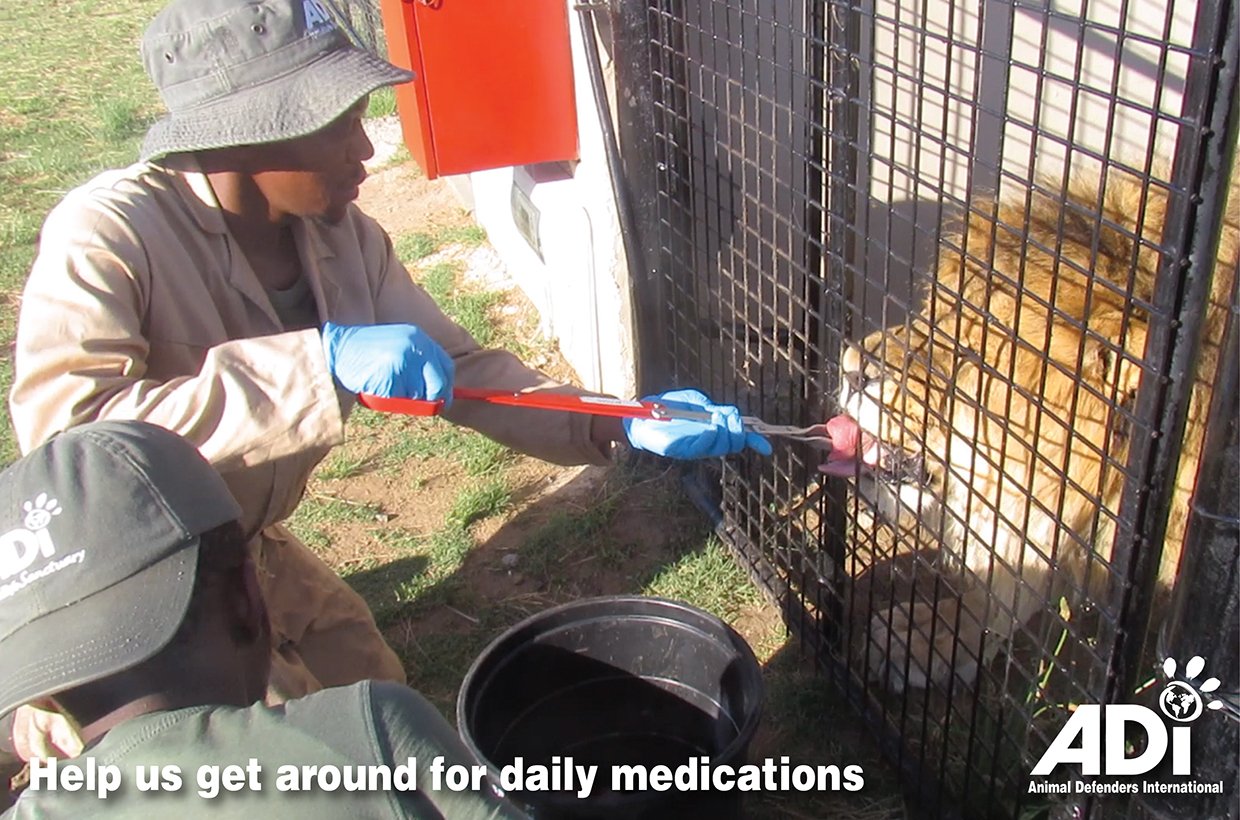
His friendly response to his carers was immediate; coming to take his medications from tongs and responding to the voices he recognized. A lion who we had thought might be difficult to build trust with, was trusting from the start – he seemed to know he was loved and respected.

Even after his recent seizure and the setback to his mobility, he retained an enthusiastic disposition. He was intrigued and engaged with everything around him, looked up eagerly when he heard his carers calling or approaching, and took his food and medication from a hand-held stick. It was only on two days we felt he seemed dispirited. This past Tuesday, when he barely lifted his head when Johannes called, we were worried he was in real trouble.

Ruben loved to play with his toys. His catnip bags, boxes, and of course his teddies. They were also part of his physiotherapy and were good for boosting his endorphins. He not only played with watermelons, like the other cats, but actually ate them! He relished his treats.

For seven months, he lived a wonderful life – a lion in the land of his forefathers and living with his own kind after years of loneliness. He found his roar again.

Ruben had the African sun on his back and grass beneath his feet. I will never forget the night he decided he would not sleep in the house but lay outside, watching the sun set and spending the night under the African stars.

Ruben went from six years of loneliness and silence in Armenia, when his family was removed from the private zoo after the owner died, to seeing lioness Easy on his first night in South Africa. Then, in his new home, watching Simba, Rey, and Kesari next door, as well as tigers Max and Stripes.

He heard the roars of other lions and by October, he was roaring back.

As Ruben’s movement improved, he went into his larger habitat where eventually, he climbed the slope up to the top of the viewing platform and proudly stood looking towards Simba, Rey, Kesari, Chino, and Coco next door – then roared in chorus with his noisy fellow residents.

All this time he was defying the odds; his spine and neuropathways were degenerating. Peter explained the discs in his spine were breaking down and putting pressure on his spinal nerve, causing poor balance and inability to control his back legs. The medications helped alleviate some symptoms but could not roll back a lifetime of damage.

This is what the confinement, deprivation, and malnutrition in captivity does to these magnificent animals. Our beautiful young tigers Luna and Jade were rescued at 18 months old but had already developed a stiff goose-stepping walk due to malformed bones at the base of the skull and top of the spine, damaging the nerves. We rescued Sun, Moon, Max, and Stripes from a circus at just 6 months old, which proved to be early enough to stop the same damage. Ruben lived with this for over a decade.

At ADIWS, Ruben kept going and enjoying his life with sheer will and determination. It is not often we meet a lion who has been through so much but has such a lust for life that he defied all odds and lived as a lion again for seven remarkable months. Ruben was an inspiration to us all.

I am so proud of how everyone pulled together for this magnificent warrior.

Ruben’s final chapter happened in his last two weeks. With a long lens camera, we saw Ruben was having a seizure. Within an hour, we had Peter’s advice and had driven into Ruben’s habitat in darkness to give him medication to prevent further seizures and to make him feel more comfortable. Then he was watched through the night. It was testament to the trust he had in his carers, that we were able to feed and give him medications every day as we tried to get him back on his feet. Cameras were installed to monitor him, and Peter watched videos of him every day, adapting his medication, and giving advice. We adapted graspers and extended them on a pole to clean out his den.

We discussed with Peter whether Ruben should go to the hospital, but Peter stressed the best place to get Ruben on his feet was at the Sanctuary, where he had grass underfoot for good grip, the motivation of familiar people around him, and the incentive to get on his feet. In a hospital unit, he would be less motivated. We all watched as he continued to have his medication, had a good appetite, and was hand-fed from the stick. Although he could not walk, he managed to move out into the sunshine in the mornings, returning to the shade of the den in the afternoons.

We remained optimistic and turned to the task of trying to get Ruben on his feet again and provide physiotherapy. The entire ADIWS team worked over the weekend to adapt his house and habitat for physiotherapy sessions. A gantry was built on the roof with runners to carry a hoist to lift him, and Peter’s team was designing a harness. We created a smaller fenced area for giving meds and he would have his house with a heated floor. The plan was for Peter to sedate him on Tuesday, and we would move him to the new house.

Peter examined Ruben and it was not to be. The inevitable was taking over and Ruben had no chance of getting on his feet. To get a more detailed diagnosis, Peter had arranged for an MRI at the veterinary academy in Pretoria University. We took Ruben to Pretoria in the hope for another miracle. A stream of experts came to look at the MRI images and discussed their thoughts with Peter. It was not good; the damage was severe and relentlessly progressing. The seizure had just been another step, and Ruben would not walk again. Then Ruben chose his time – his heart failed, and he passed away without waking up, which we felt was a mercy.

There is a huge sense of loss at ADI and the outpouring of grief among supporters on social media has been very touching. In our local town, people are stopping ADIWS team members to offer their condolences. Ruben’s dignity and strength has touched the world.

His time with us was not enough, but we would do it all again to see him enjoy even just a week of the life he enjoyed in Africa. Farewell, Ruben, you lit up our lives.

I am sorry to bring such sad news but remember, you brought absolute joy and dignity to this inspirational lion. If you would like to give in memoriam donations, you can do so here.

A selection of canvas prints of Ruben are available from our US and UK online stores.