The small tiger with a gigantic personality

The hardest thing about rescuing animals from abuse is when it is time to say goodbye. When we save an animal, they dominate our thoughts, time and energy, a bond develops as we work to take them to freedom and a new life, but we have to acknowledge, both physically and psychologically, they cannot entirely escape their past. It is with great sadness I must report the passing of Jade, one of the young tigers from a Guatemala circus, who has passed away after an aggressive, fast-growing cancer was diagnosed.  Our vet Dr Caldwell advised there was nothing to be done, and trying to treat it would cause more suffering. It was time to say goodbye.

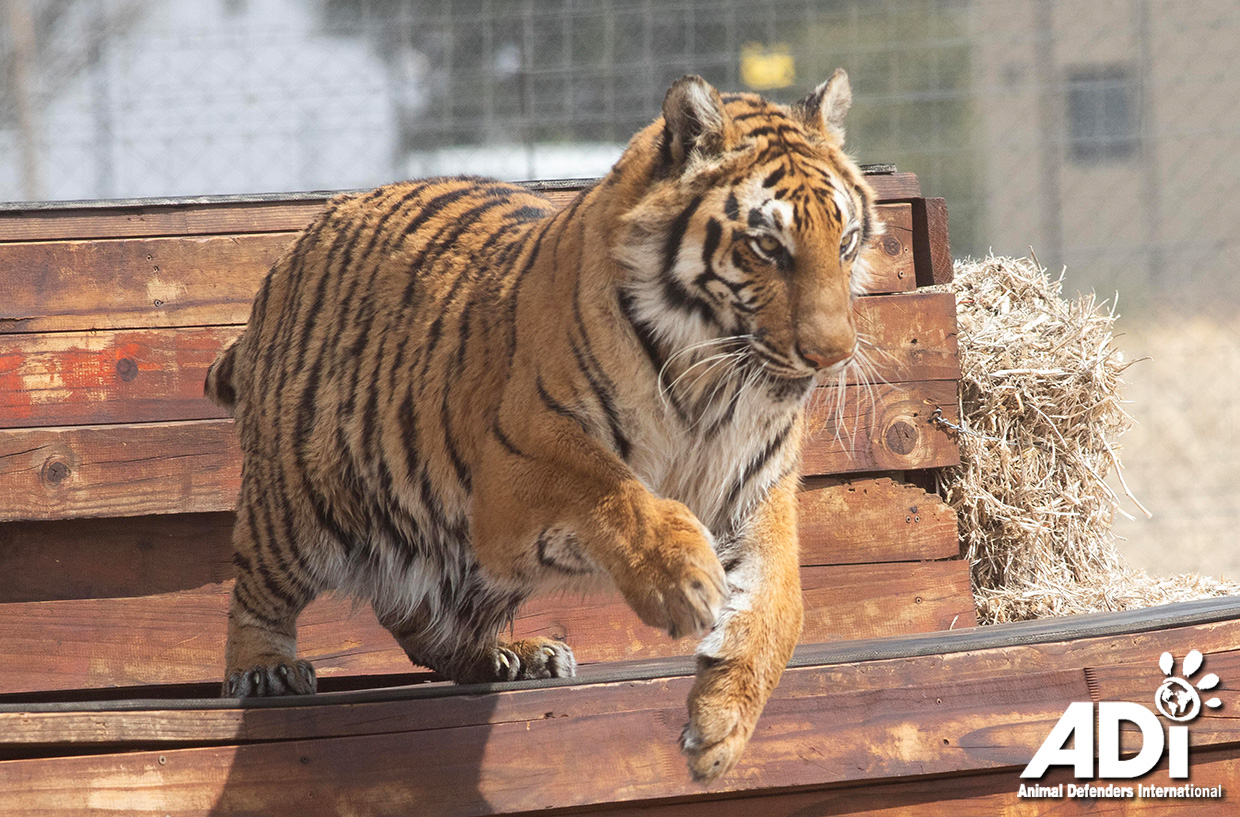
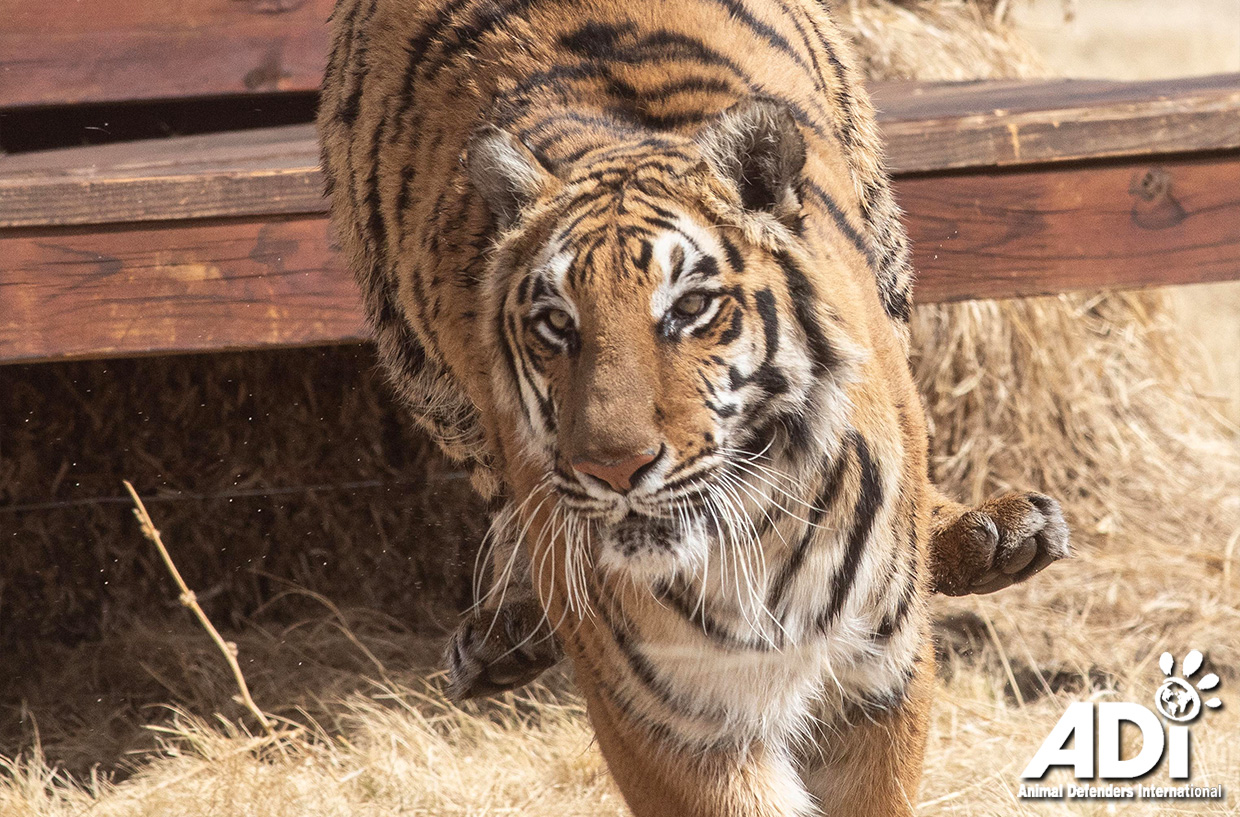
Jade was the smallest of the group of young tigers we call the Spice Girls, but with a huge personality and quick mind which made her their leader. She was the live and soul of the group. Jade was the one who raced around and got her sisters playing, sometimes bounding up and getting them up, even when they were sleeping.  For almost seven years, despite a terrible start in life in the circus in Guatemala, this small tiger had inspired us all with her boundless energy, lust for life, intelligence, sense of mischief and enthusiasm. She leaves a huge gap at the ADI Wildlife Sanctuary.

Now, through the sense of loss, we celebrate what precious years ADI supporters gave to dear Jade, and how very different her life would have been . The support for her and her family let them all know real joy.
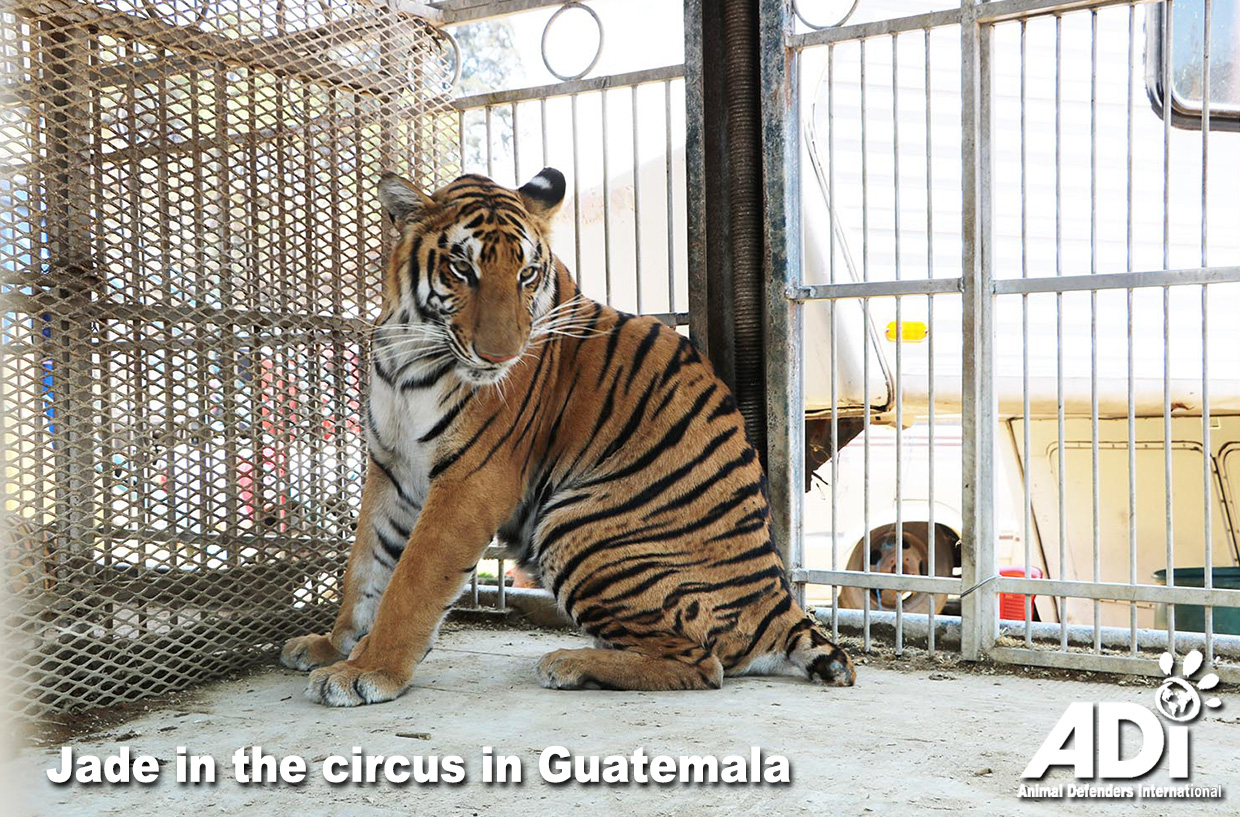
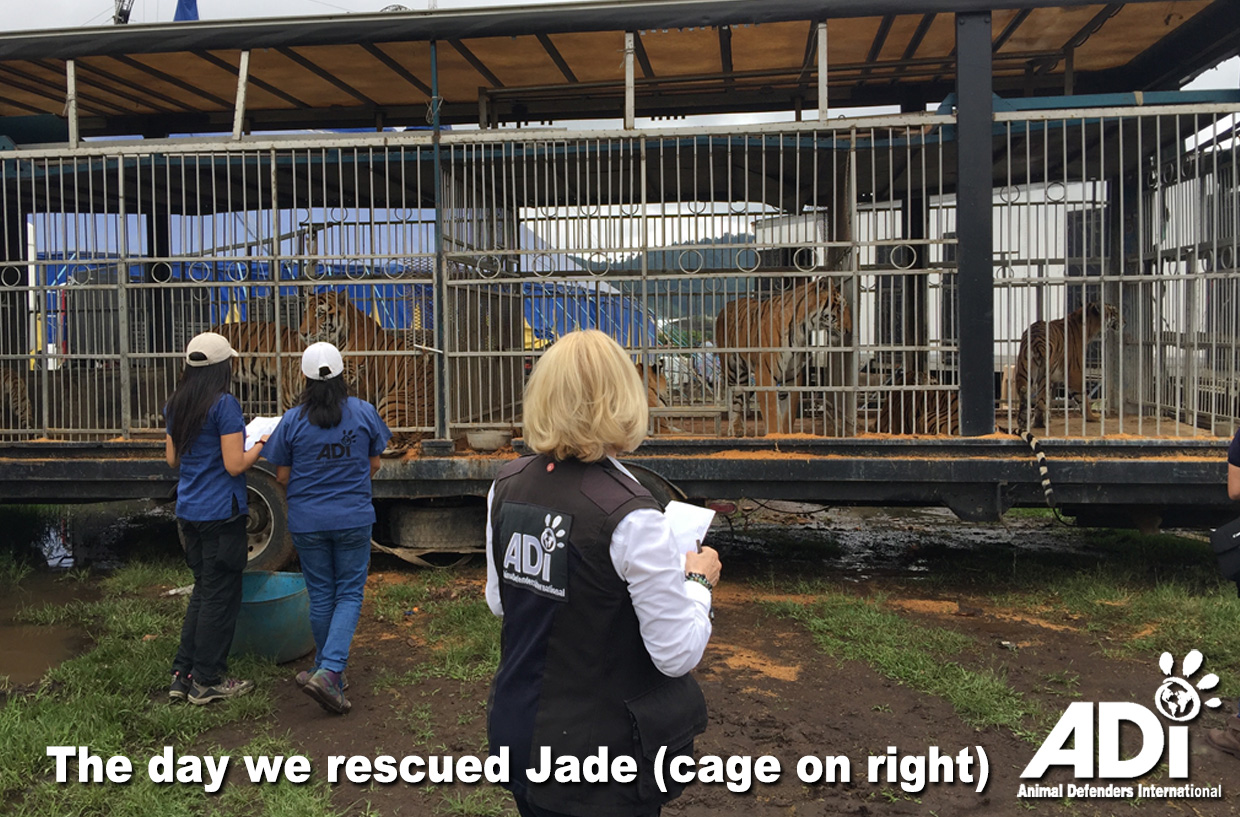
The picture of Jade, above, was the day I first met her in the circus. It was a sweltering hot summer’s day in 2018, and the circus was refusing to comply with the Guatemalan Government’s ban on animal circuses. They were aggressive, shouting and blocking our way. Jade and her sister Luna shared a small bare cage, the size of a queen-sized bed.  In the other cages were 13 other tigers and two lions (Tarzan and Tanya). Their lawyer blocked us that day, but over the course of the next five months, we kept pressing ahead and eventually, saved every one of them.
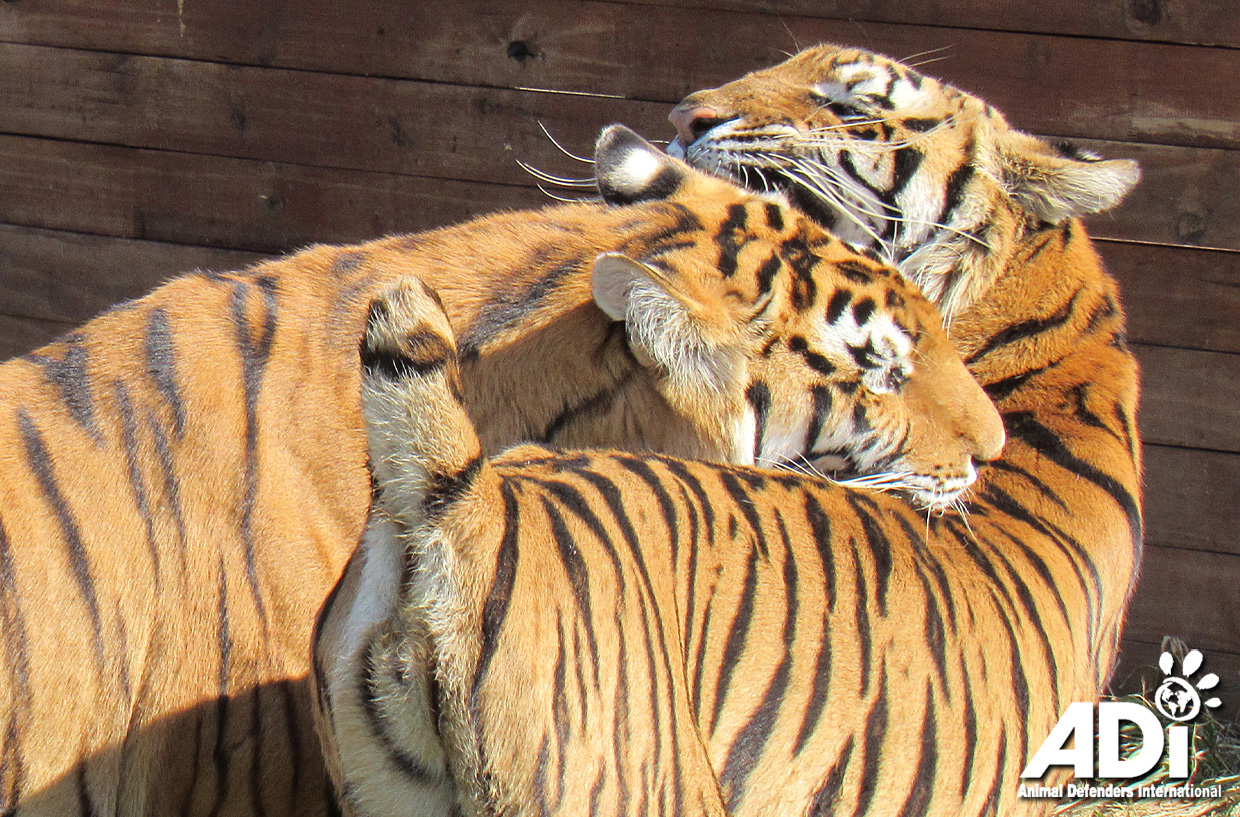
Jade and sister Luna were 18 months old at the time, and in our ADI Temporary Rescue Unit (TRU) in Guatemala, we united them with 6-month-old siblings from another litter, Sun and Moon. The group became known as ‘the Spice Girls’, because of their rambunctious behaviors.  Our TRU in Guatemala was basic, but this was where the girls first ran and played on grass. Nobody who saw it will ever forget their first time playing in water. We had made a small pool for them – they raced in, water went everywhere, and within minutes it was full of mud, half the water splashed out and the whole area soaked. Everyone was laughing, enjoying their antics.
However, as always, the inbreeding, malnutrition and confinement of the circus would be harder to leave behind than the cages we had emptied. The members of the tiger family have all proved to be in the worst health of any animals we have rescued – 4 have already passed away due to neurological malfunctions (seizures) related to lifelong malnutrition and inbreeding. Jade was undersized and suffered spondylosis – the cause was similar to the ones who suffered seizures – malformed bones meant the nerves between her brain and spine were unable to function properly, in Jade, causing a goose-stepping walk.

The difference can be seen with Sun, Moon, Max, and Stripes – all rescued from the same circus but at just 6 months old, so they benefited from the enhanced ADI feeding regime, with extra vitamin and mineral supplements. They are all larger, strong, and not showing any neurological problems.

Jade had also lost her tail in the circus, with just a small stump left. This is a common injury in circuses when animals are chased through drop doors between cages and doors are dropped on their tails. Similarly, Tanya (from the same circus) has no fluffy tip to her tail. An ADI investigator filmed this happening in a British circus (before the ban).

In our grief at the loss of a family member, it is hard not to feel rage that circuses not only confine these animals in barren cages and take all the joy from their lives, but also break their bodies, causing lifelong damage. But they never broke Jade’s spirit.

Despite being the smallest of the Spice Girls, Jade was clearly the boss, and the one who energized the group to go out and play – she always raced to investigate everything first. It may have been sheer force of character, but it may also have been because she was so smart. Something she demonstrated to us with the puzzle game.

The ADIWS team built a play center for the residents, which was moved from habitat to habitat for different residents to play with and try to solve the puzzle (a ball inside a tunnel), while also enjoying the scent of other residents who had previously enjoyed the structure. The puzzle challenge was to get a small green ball around a corner and out of a small gap. While many residents at the ADIWS had pawed at it and tried to tug it out, Jade worked out the puzzle; she rolled in along the tunnel, around the corner, using her nose and paws, until the ball popped out.

Watch the video of the day she cracked the ADIWS play center puzzle.

When the family arrived at ADIWS, it was Jade who led them out. In part due to the spondylitis caused by the circus, and perhaps in part due to her character, she didn’t so much run, but rather bounced everywhere. She always appeared to be endlessly bouncing around the entire perimeter at high speed. It was magical when she first entered her big habitat at ADIWS when they arrived in 2020, just running and running and leaping on and off the big platform den, with such joy.

Jade always led the Spice Girls into the charge out of the houses and get the fun going. Classic Jade was also when seen she would be snoozing in the pool and then wake up, deciding it was time for everyone to get up, and race from one to another of the girls to rustle them up to play.

Jade was an inspiration to all, a bright star who brought joy and a smile to us all for seven wonderful years. A huge loss to her family and the whole Sanctuary. For seven years this small bundle of energy was a huge character at ADIWS.

Jade, you were loved and will be missed.

While we mourn Jade, just think of how very different her story would have been if ADI had not been on the ground for those long hot months in Guatemala, battling to empty the cages? Never forget how your support really does transform the lives of animals.

You may like to consider a donation in memory of Jade, to help care for her sisters, and to ensure that others like her get their chance to experience the life Jade enjoyed.
Donate UK £, Euros, Rand | Donate US $, CA $
Animal news from around the world (February 2025)

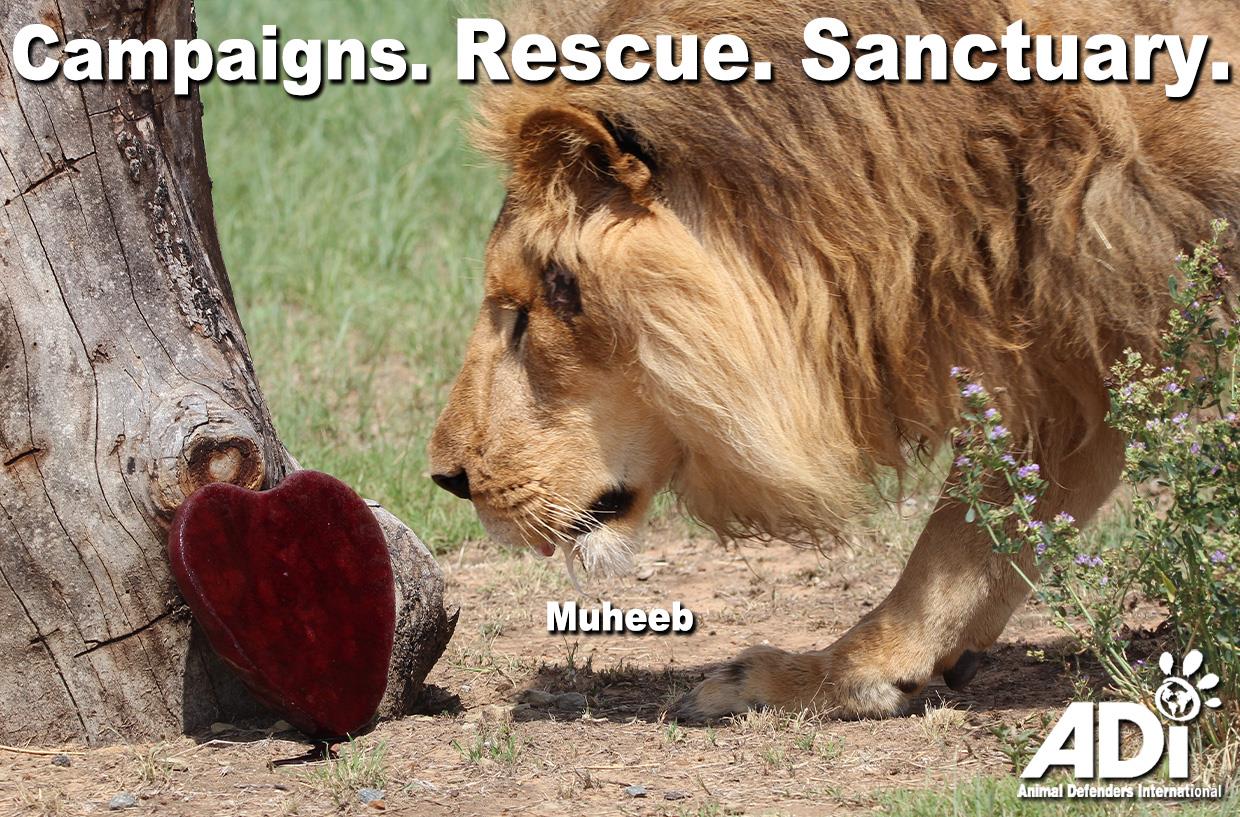
The past month has been an emotional rollercoaster, as we received news of Muheeb’s cancer diagnosis, but saw him active and playful after arriving home at the ADI Wildlife Sanctuary from the hospital – his whole attitude is one of a fighter, who is determined to enjoy the best of his new life.

To support the work of the Sanctuary, where animals saved from suffering can enjoy their life as close to nature as possible:
Donate UK £ | Donate US $.  

Muheeb’s cancer is a diffused intestinal lymphoma which has spread along his intestine and there is no potential surgery and no cure. He is not in pain and enjoying a good quality of life and will be monitored by Dr Caldwell, and us, to ensure he remains comfortable for as long as possible, with as many toys, enrichment and treats as he wants. On his arrival back home after his diagnosis, he amazed us all with a huge display of energy and enthusiasm with his orange playball. Dr Caldwell is pleased with his energy and appearance, and he is now on two small meals per day, to maximise the nutrition he can get from each meal. Our thanks for the incredible outpouring of love our supporters have given him, see Muheeb with his ball here.

Give Muheeb and the other cats a special treat:
Donate US $, Can $ | Donate UK £, Euros, Rand

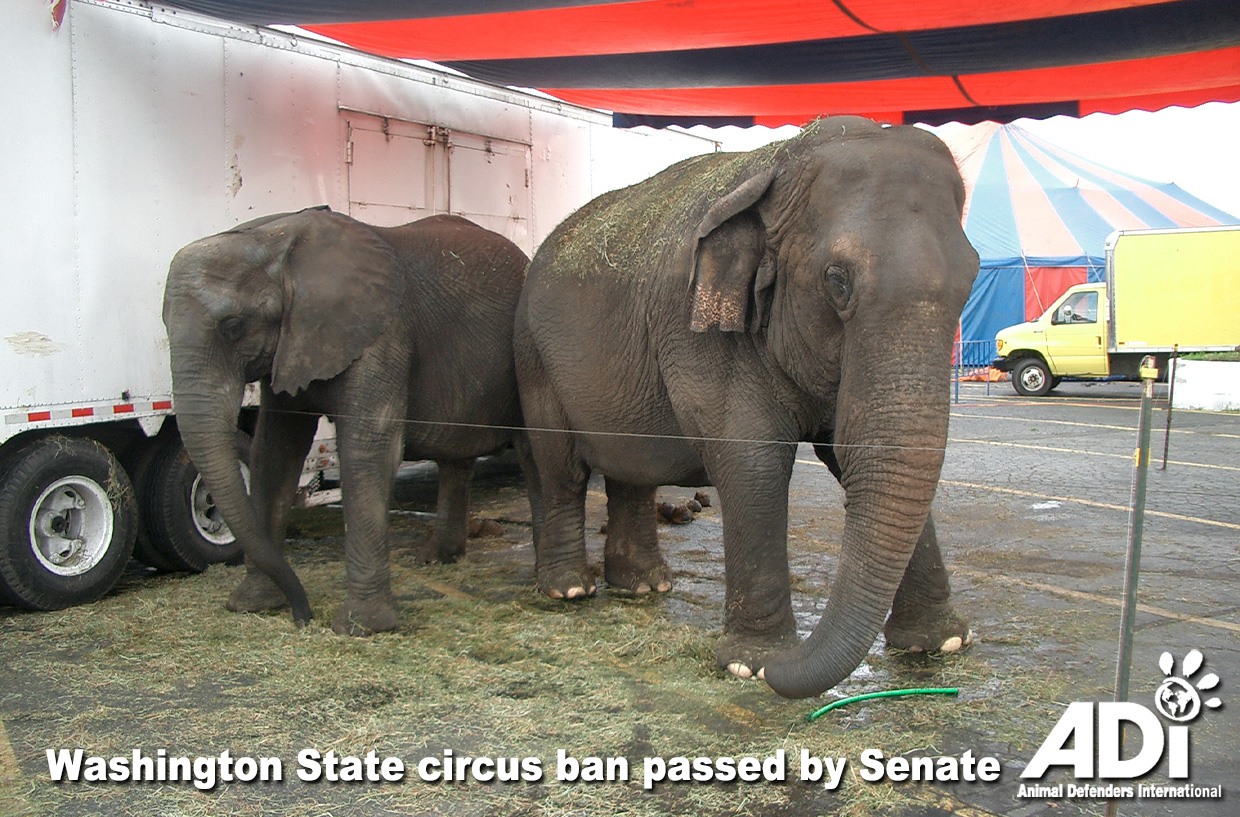
GREAT NEWS! SB5065 to prohibit the use of elephants, big cats, non-human primates, and bears in traveling acts in Washington state, has passed the Senate with a clear majority of 30-19 votes! The bill now goes to the House Agriculture & Natural Resources Committee. Drew McCormick, ADI Public Policy Specialist, presented evidence in support of the Bill.

If you live in Washington, send a comment to your State Legislators TODAY! Find your Legislators with this easy-to-use form: https://app.leg.wa.gov/pbc/bill/5065 Simply fill in your contact details, and click SUPPORT. You can then add a comment to let them know why this is important to you.

In the US, contact your Congress Members and urge them to support the reintroduction of TEAPSPA, to ban traveling animal acts nationwide: bit.ly/SupportTEAPSPA

Los Angeles finally got some much-needed rain to contain the massive fires that swept the area. Our thoughts remain with those impacted by the fires, which ripped through LA County, driven by unusually high winds, displacing wildlife, families, and their pets. As LA begins picking up the pieces, we launched an appeal to provide assistance on the ground and deliver resources to individuals and organizations whose voices are perhaps not heard above the other emergency calls for help. Our LA office will get help to where it is needed most.

Excellent progress has been made on the new system of sewage and grey water recycling management at the Sanctuary. Five new septic tanks are being installed alongside four ‘grey’ water filtration tanks and water storage tanks. Once fully installed, all grey water (from showers, sinks, etc.) will be filtered for use for watering plants, firefighting, washing cars, etc. This preserves our supplies of fresh drinking water for the humans, lions, tigers, and other animals. We have tested the older boreholes on the property for water supplies and will reopen new wells where possible. The Sanctuary has just been through another drought during rainy season, where our lake dried up completely for the first time since we arrived five years ago– fortunately we are getting rain now and the sanctuary is turning green again. Global weather cycles are changing, and the first rains have arrived months later than normal, it will take months for the lake to recover. This, and the horrific fires in Los Angeles have been a shocking reminder of the impact of climate change. Water security will be critical to the Sanctuary’s growth and capacity to save more animals.

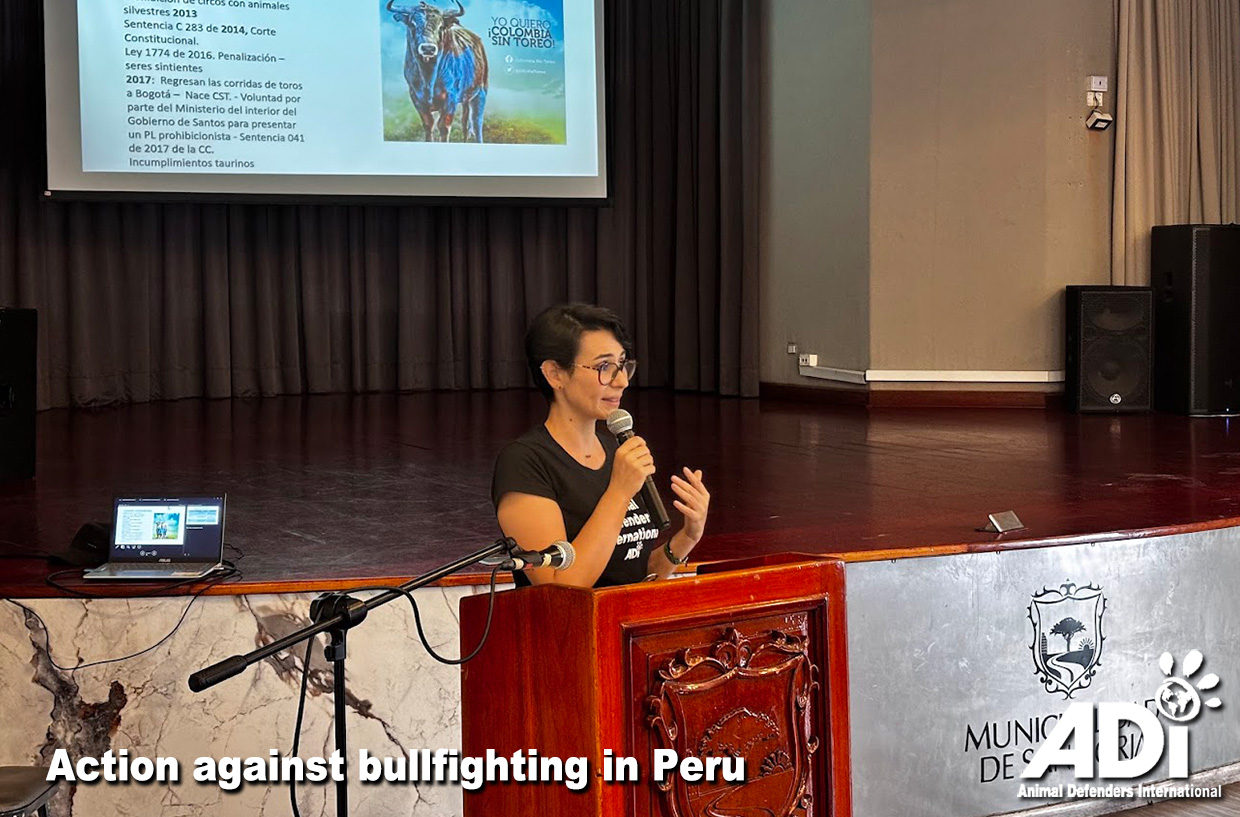
In an attempt to counter legislation to end bullfighting and cockfighting, Peruvian Congressman Juan Bartolome Burgos has launched bill 2828/22, declaring these cruel events ‘cultural’. The bill has already been approved in the first debate in the Culture Committee of the Peruvian Congress despite negative reports from the Ministry of Culture, the Bar Association and animal rights activists. Following the law banning bullfighting in Colombia, ADI recently met with activists and congressmen in Peru, to stop the initiative and end the suffering once and for all (pictured: ADI’s Yani Mateus address a meeting in Peru).

To help, please contact the Peruvian Embassy in your country here and urge them to join other countries in promoting protection of animals, and also support the campaign for a #PeruWithoutToreo.

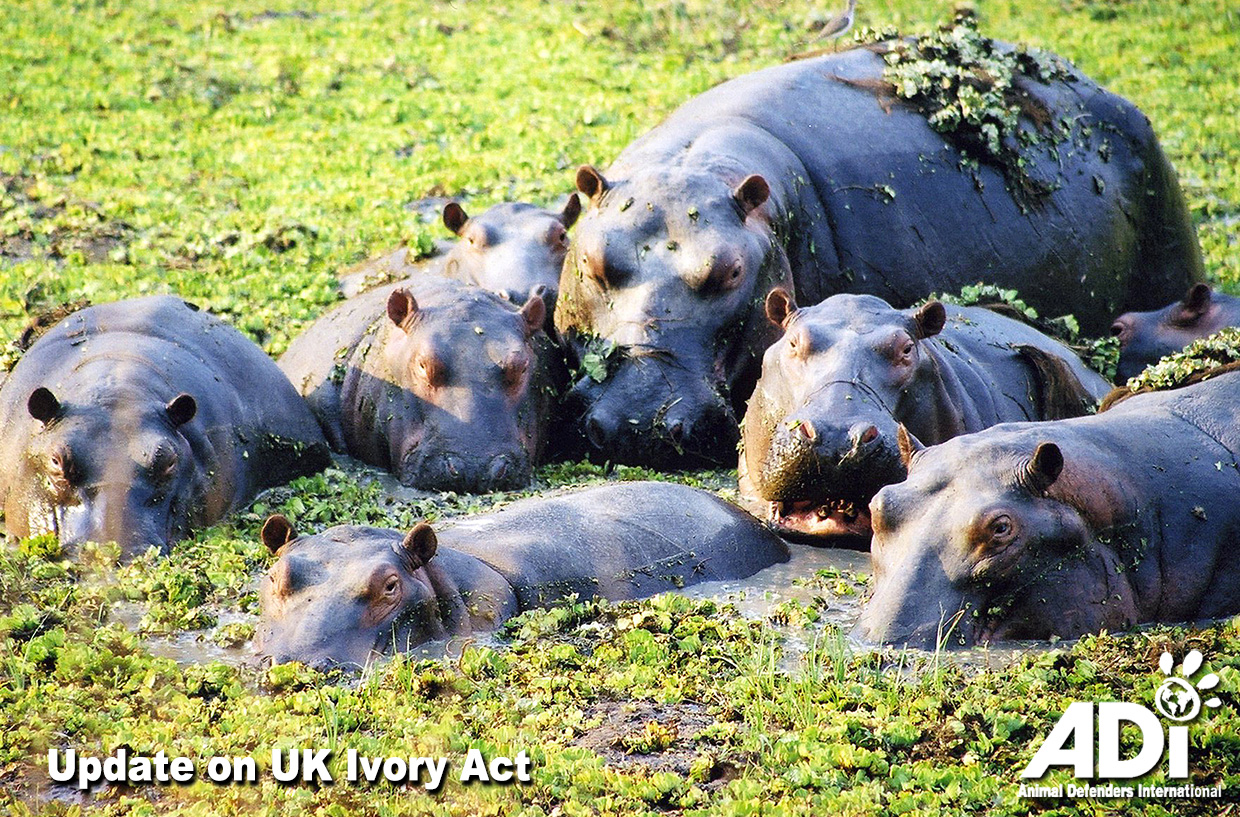
Following approval of amendments by the UK House of Lords in November, hippopotamus, narwhal, killer whale and sperm whale now have greater protection under the UK’s Ivory Act. Also, strengthened penalties mean offenders face up to five years in prison and unlimited fines.

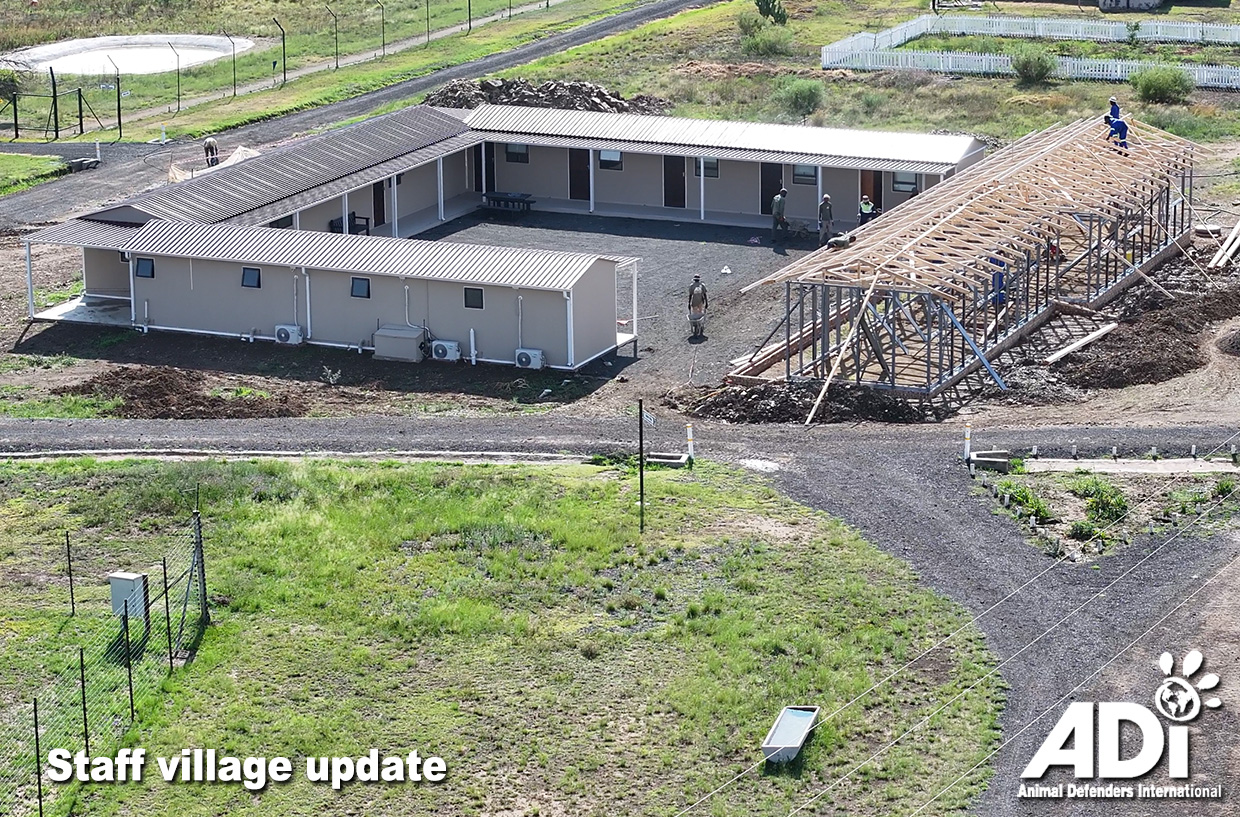
We’ve built a lot of houses for lions and tigers, now we are nearing completion of accommodations for the humans who care for them each day. Work on the final wing of the Tohir Staff Village began last month and is making great progress. Once complete, the complex will house 15 Resident Welfare carers at the heart of ADI Wildlife Sanctuary, on duty 24/7. Thank you to everyone who has helped get us this far.

Five years ago last month, the last circus animals to perform in Guatemala, 17 tigers and lions, arrived at the ADIWS. It had been a volatile, challenging 18-month operation to empty the country’s circuses. Then flight restrictions through several countries meant a two-day journey via Mexico, Belgium, Qatar before finally reaching South Africa – perhaps you were one of those cheering us on and following the live updates at every stop? Little did we know at the time, we were just weeks away from a global pandemic which would have left the animals stranded in Guatemala. Watch the video to re-live one of the greatest animal escapes and enjoy the incredible moments when the lions and tigers stepped out into their new home, to more space than they had ever known.

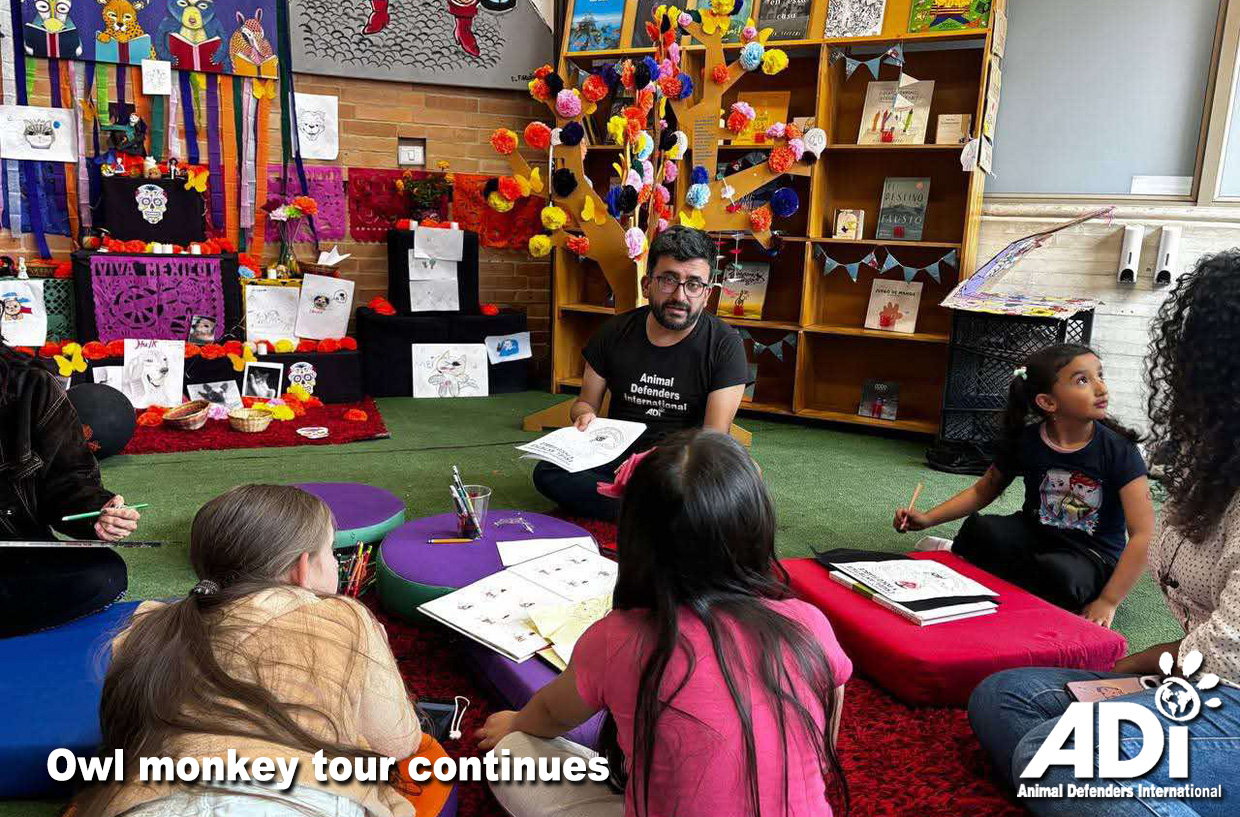
ADI’s inflatable owl monkey continues traveling Colombia, generating empathy and awareness in schools, fairs, libraries and streets. The friendly 4-meter-tall monkey is highlighting ADI Colombia’s campaign to end the use of animals in laboratories. We recently attended a festival of independent publishers organized by the Fondo de Cultura Económica at the Gabriel García Márquez Cultural Center, where we hosted workshops for children and attendees. The message is clear, animal testing is unreliable, unethical and unnecessary.

For decades there were live shows with dolphins and whales at the Antibes facility. The shows were banned in 2021 and the park has finally closed. The 4,000 animals are to be sent to different parks in Europe. France’s Inspector General had determined the best option for Wikie and Keijo, the last orcas in captivity in the country, would be the Whale Sanctuary Project’s Nova Scotia sanctuary. However, in a disturbing development, the Ministry of Ecological Diversity has rejected the application, the attraction Loro Parque in the Canary Islands is now an option.

Tekwe, the smallest of our rescued goats, was treated for ticks by veterinarian Dr Eksteen before quickly rejoining her pals. Tekwe is named after the place from where she was rescued.  A reminder that as well as the lions and tigers, the Sanctuary has many other rescues, and they all need our care.

ADI Colombia joined colleagues in Mexico to support the citizen’s initiative seeking a ban on bullfights in Mexico City. Proposed by our Cultura Sin Tortura and Mexico Sin Toreo (ADI is a member), if the citizen’s initiative is successful, a ban will be debated and a vote held in the Congress of Mexico City.

ADI Colombia, Cultura Sin Tortura and Mexico Sin Toreo have launched a campaign of public support – letters, postcards, lobbying – to persuade the city’s deputies to ban the archaic, cruel and violent bullfights in the city.

Supporters have been asking what President Donald Trump’s Executive Orders mean for animals and the environment. ADI is analysing their potential impact, and at this stage, there does not appear to be any good news, mainly several concerns.

For example, we do not know yet the full implications of EC 14192 ‘Unleashing Prosperity Through Deregulation’. Regulation is frequently decried as “unnecessary” and presented as bureaucratic over-reach, but regulations are often the only line of protection animals have. They stop hunters from killing wildlife, provide animals in laboratories or on farms with the little protections they have against the worst suffering, or prevent destruction of habitats and dumping waste into the natural world. Deregulation and cuts in departments like the Environmental Protection Agency may have a significant impact.

Four of the Executive Orders look like bad news for the environment and wildlife, with a drive for more fossil fuel production (despite US oil production already hitting a record high under President Biden) – ‘Declaring a National Energy Emergency’, ‘Unleashing Alaska’s Extraordinary Resource Potential’, ‘Unleashing American Energy’ and ‘Putting America First in International Environmental Agreements’; the last Order removes the US from the Paris Climate Agreement, which heralded a global approach to tackling climate change. Signed by over 190 countries and representing the overwhelming scientific consensus, the Paris Agreement is a rare worldwide initiative to try to protect and preserve our planet. Now, the USA joining Iran, Libya, and Yemen outside of this agreement represents a significant setback in the battle to prevent, or slow, climate change. 

Finally, supporters will also have seen the order “Ending Procurement and Forced Use of Paper Straws”, which raises the question, do we really need more plastic do dispose of for such a trivial use? And does nobody think the US is capable of manufacturing effective paper (or other alternative) straws?

If you missed our special Valentine’s compilation of the Sanctuary residents having fun with their special treats, sit back and enjoy here.

With your help, we are continuing to make a difference for animals. To support our work you can make a one-time donation, or consider a monthly gift, here:
Donate UK £, Euros, Rand | Donate US $, CA $.

Thank you so much for your support.