
This month marks the tenth anniversary of ADI’s Operation Spirit of Freedom to enforce the wild animal circus bans in Peru and Colombia, tracking down every circus and rescuing over 100 animals.
The impact went beyond those animals saved. The rescue drove forward the Stop Circus Suffering campaign, especially in Latin America. There are over 50 national circus bans now and ten of those are in Latin America. The success and popularity encouraged more law enforcement – we have since helped seize many animals form traffickers in Peru.
A decade ago this week we rescued Smith, Pepe and reunited Kiara with her cubs Mahla and Scarc – all still in our care, along with many others.


Into our lives came Spectacled bear Cholita, lions Leo, Ricardo, Simba, Rey, Joseph, Spider monkeys Pepe and Valerie, and many, many more. The rescue led to ADI building rescue facilities for monkeys and bears in Peru and to the ADI Wildlife Sanctuary (ADIWS) in South Africa, enabling more animals to be saved and cared for.

We have saved animals in Chile, Portugal, Mozambique, Sweden, Armenia, Kuwait, the UK, and South Africa, but the importance of the large-scale nationwide rescues in Bolivia, Colombia, Peru and Guatemala, which emptied every circus cage cannot be overstated. These helped us win more circus bans in other countries and provided legislators with solutions for enforcement.
Securing a law is a huge step but ensuring it is actually enforced is critical. Large-scale rescues end whole areas of animal suffering, whereas piecemeal law enforcement is often ineffective.

ADI work to support a new law is most needed in countries where there is no infrastructure to deal with relocating large numbers of animals of different species. In Peru, we rescued around 40 monkeys of six different species, plus bears, a tiger and eventually flew 33 lions to South Africa.

We have to rescue whatever animals we encounter. In one circus where we arrived to remove a reported condor (it was a forest vulture), within minutes, Tim and I found an unreported mountain lion, Mufasa chained in the back of a truck.
We don’t leave anyone behind.

We are often asked how we go about such a task. The first step is to build secure, temporary holding, where we look after different species, provide food and veterinary care, deal with export procedures and organize their relocation to new homes. In Bolivia, we emptied the circuses and saved 29 lions and developed the design of our ADI temporary rescue units. In Peru we refined the design. Of necessity, these units are very different from a permanent sanctuary.

The first step was the design of the “freedom cages”, which fit on trucks and can be driven up to circus cages to transfer the animals. Then, on arrival at the TRU, they are joined together to provide living space for rescued animals. Larger groups will have several freedom cages.
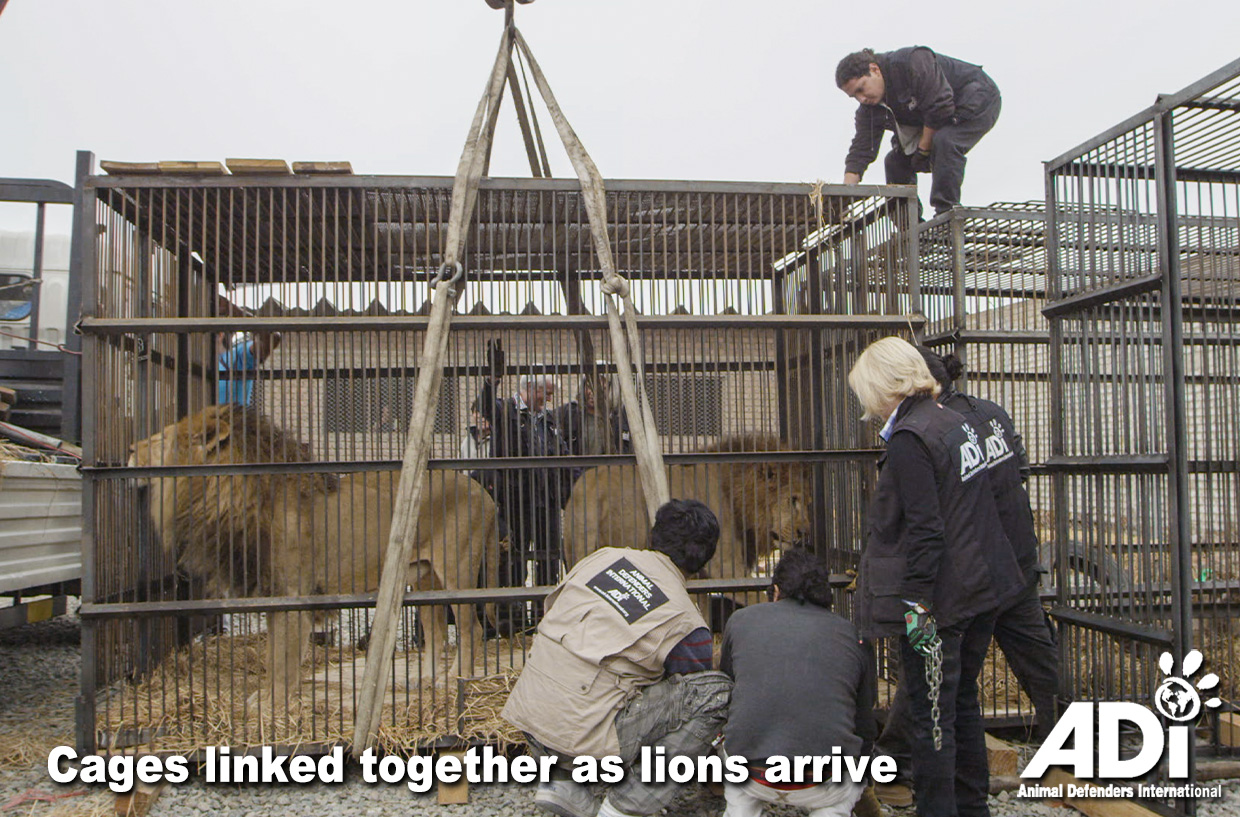
The cages are sturdy, practical, and not attractive. We collect animals and transport them through cities, so it is important they can’t reach out and the public cannot reach in. We provide bedding, food, enrichment and then, the animals enjoy more space than they have ever known. We add shared, grass exercise enclosures where they can run for the first time in their lives.
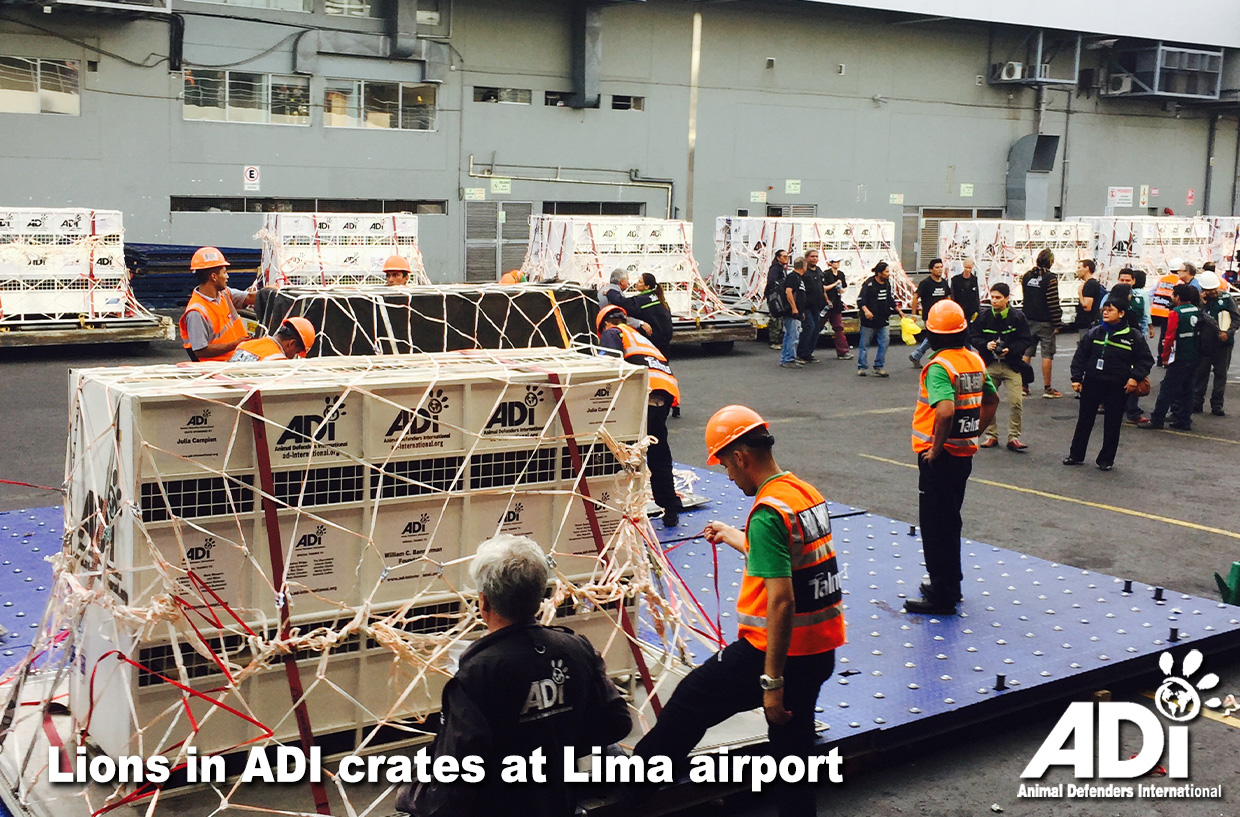
Once we have the animals all gathered in one place, the export process can begin, finding the animals new forever homes. Our TRUs need to be in locations near resources like metal workers for cages and travel crates and with good access to airports. As the rescued animals will be in IATA-regulated travel crates, the journey is slow and careful, to avoid injuries due to braking.
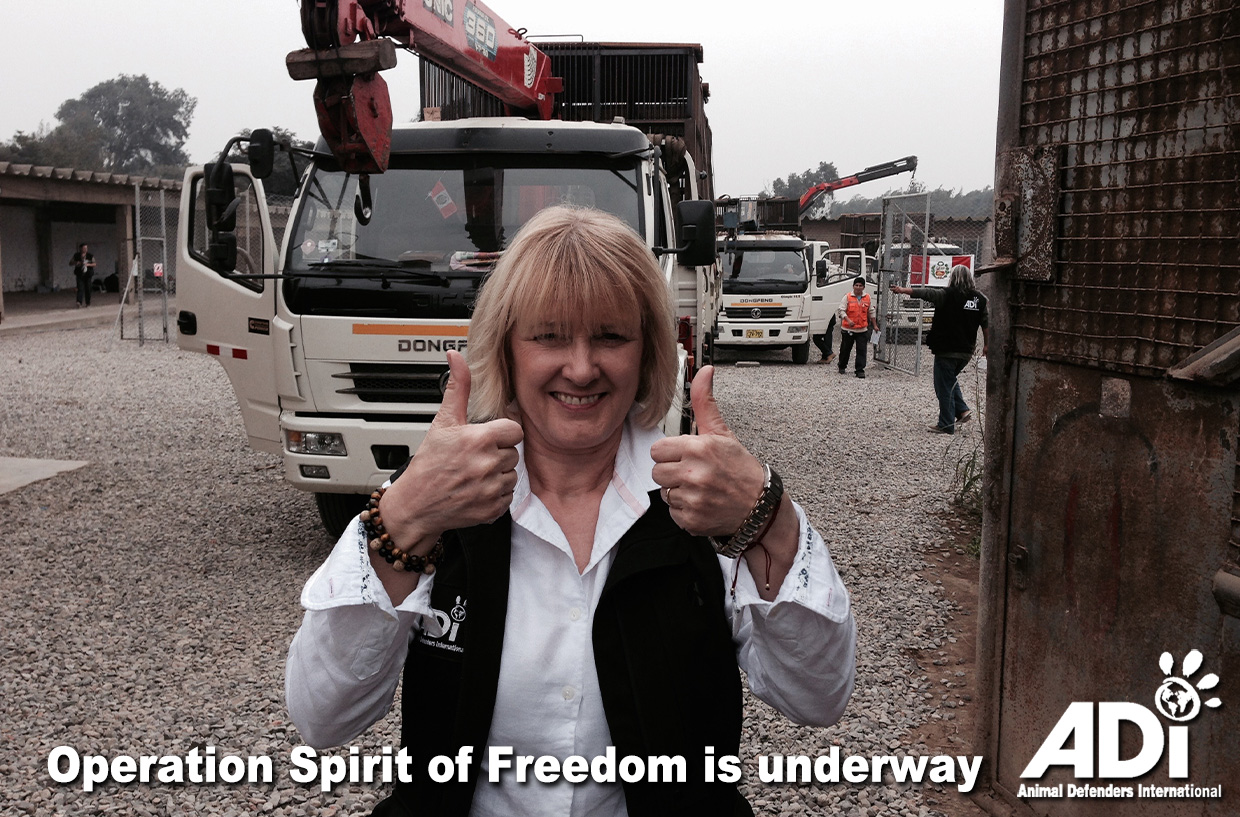
Operation Spirit of Freedom gets underway
The morning of August 5th, 2014 began with about a dozen trucks streaming out of the ADI TRU laden with ‘freedom cages’. Some targets were 36 hours away, so the truck left ahead of time so the driver could rest before the return journey, loaded with lions.
I headed with Tim and our team to the first target. The circus was holed up in a compound and we were blocked from entering for hours.

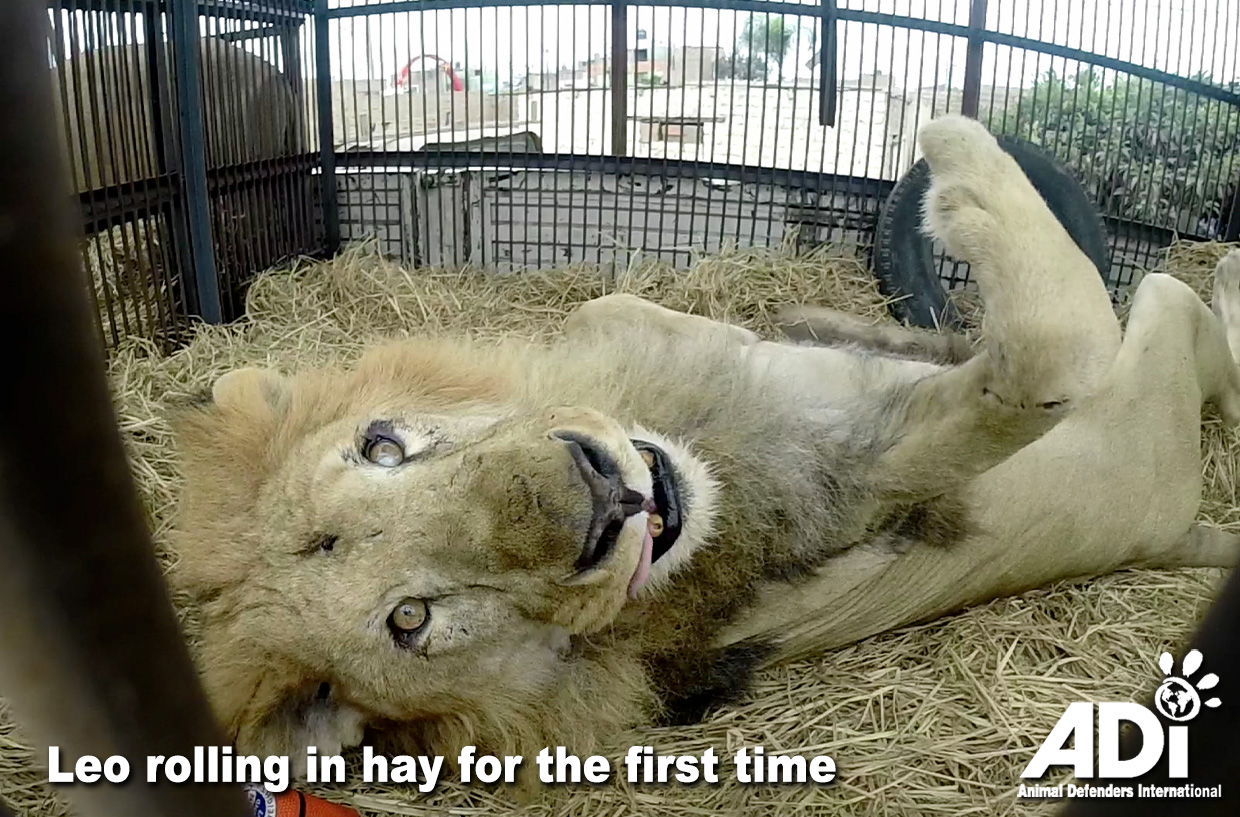
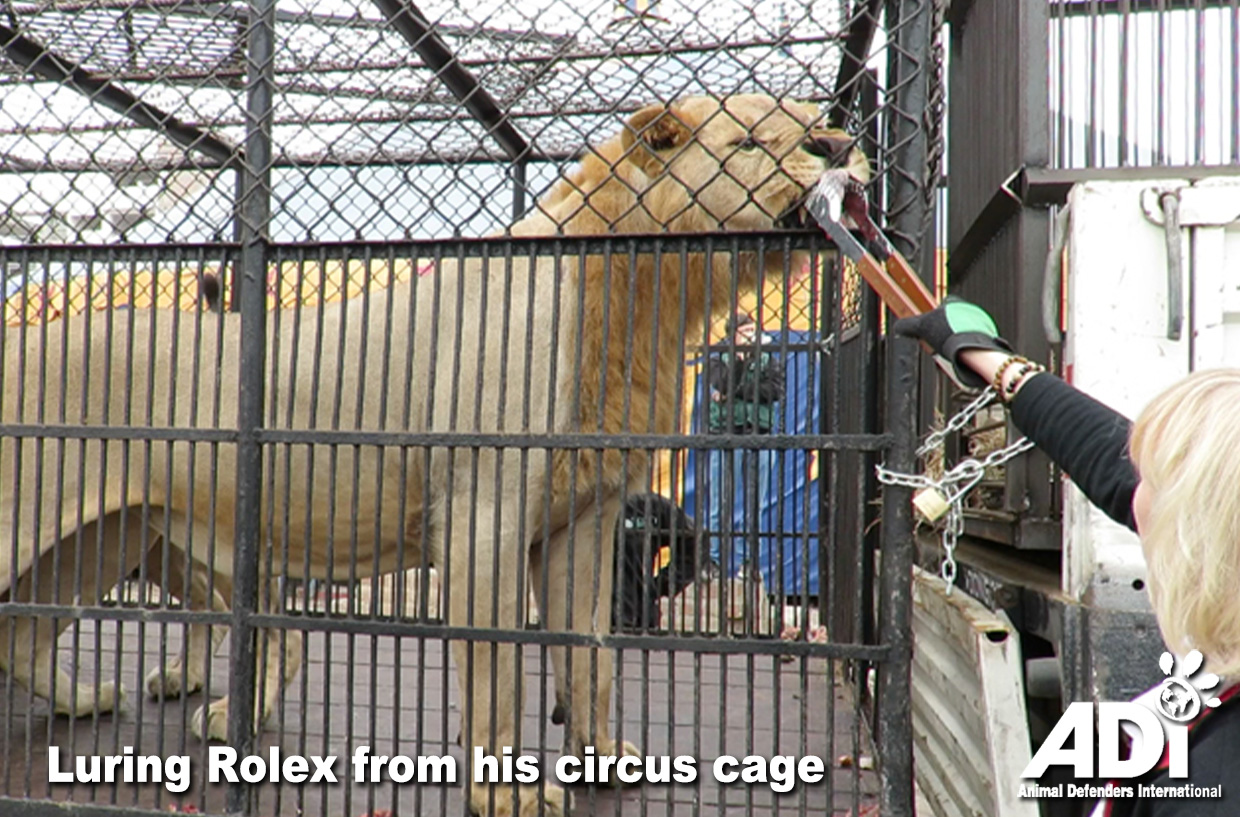
Once inside, there was a trailer with two cages the size of queen-sized beds. In one was a battered old lion, who looked on his last legs. It was Leo, who would find a special place in my heart. Next to him were three sub adults, his sons Chino, Coco and Rolex.
I lured Leo into one of our freedom cages and he began rolling in the hay – the first we saw of his famous inner kitten. His health would be touch and go for a couple of weeks but he eventually lived to a grand old age of 21+ years, only passing away at ADIWS this year.
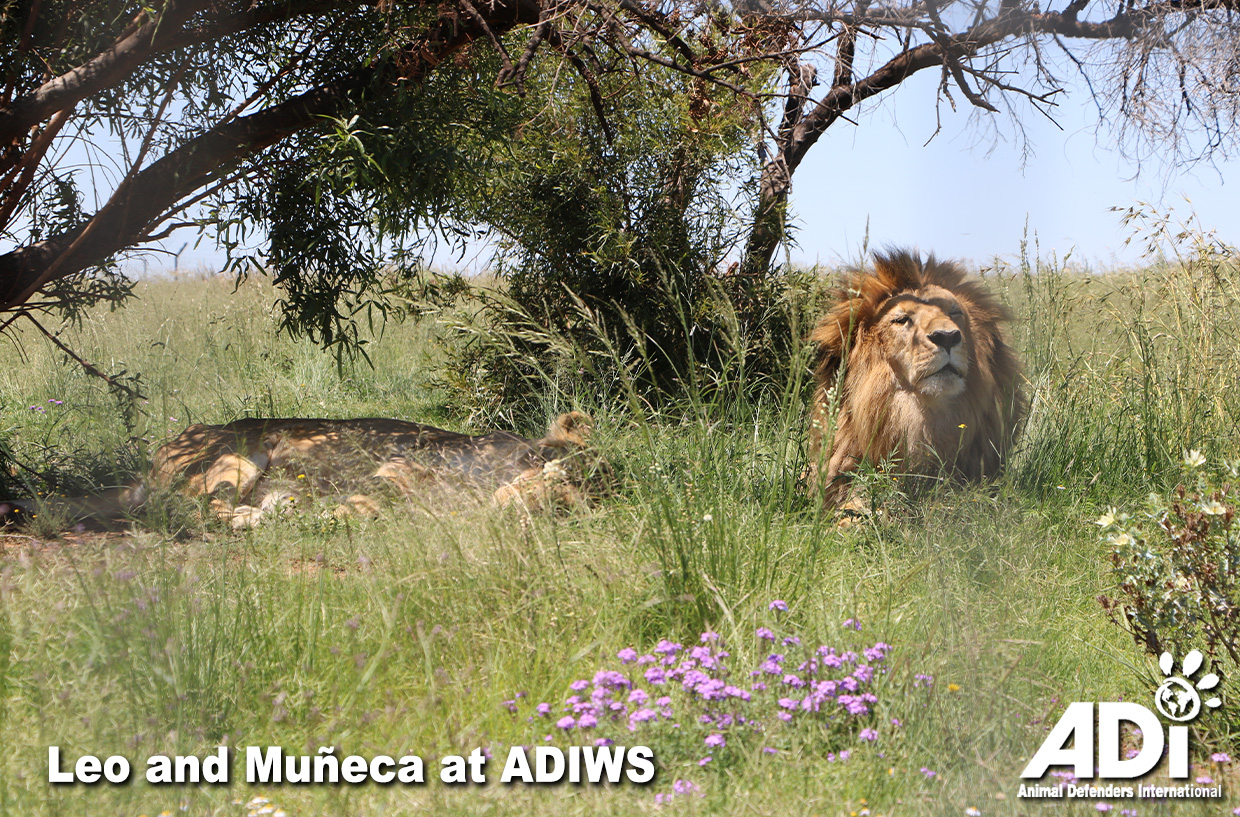
Next, we got the boys loaded but the circus lawyer obtained a legal block on the removal of three lionesses – Muñeca, Africa and Kiara. We would have to return with a court order. The next day the lionesses disappeared. We eventually tracked them down and rescued them seven months later.
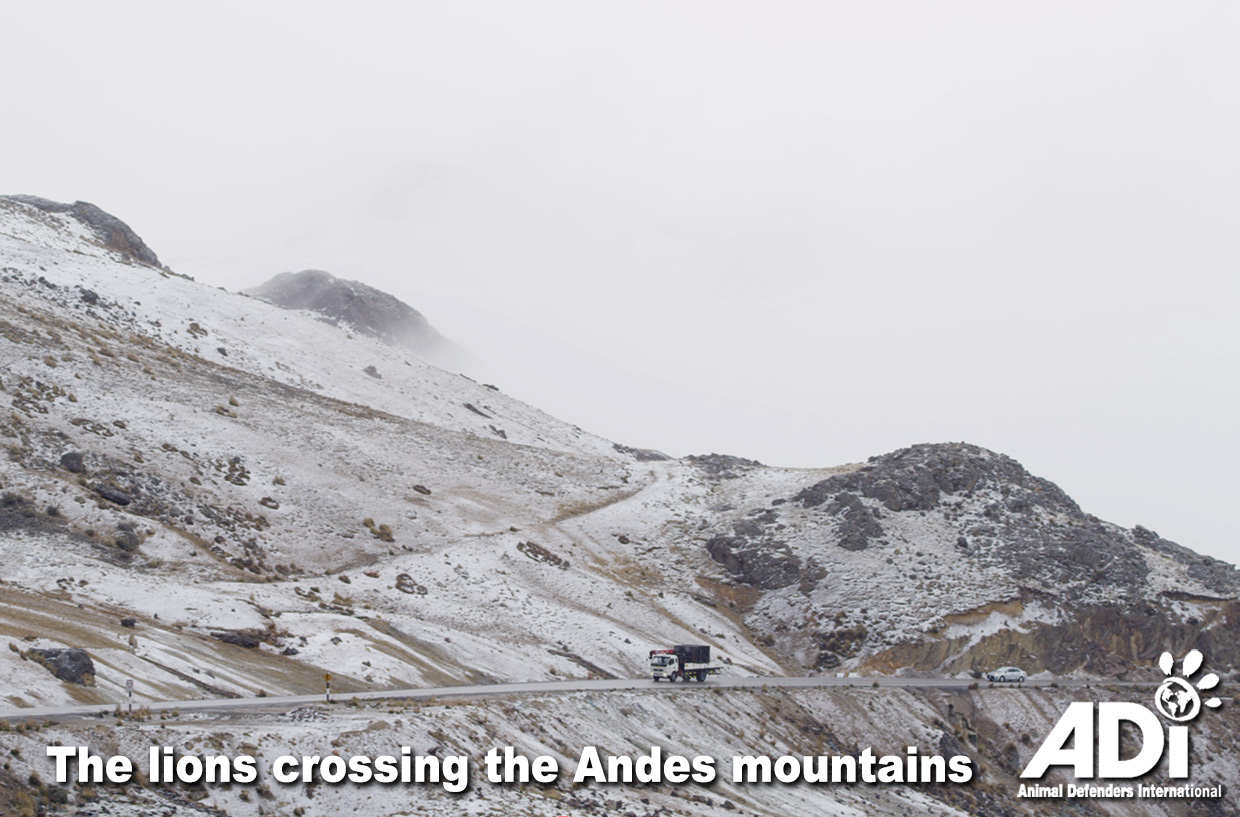
It was midnight by the time we unloaded the lions at the TRU. Four of us headed to the airport, flew to Ayacucho and less than 12 hours after unloading the first lions, we rescued Simba and Rey. It was a 19-hour drive with them over the Andes through rain and snow, and back to the TRU. We then headed to Cusco, hundreds of miles away in another part of the Andes (keeping the pace was vital).
We met fierce opposition and a 12-hour stand-off before rescuing lions Rey, Amazonas and Kiara. But we were blocked from saving Smith, Kiara’s cubs Scarc and Mahla, and a spider monkey called Pepe. Kiara was forlorn and we were dejected as we made the 36-hour drive back to Lima.
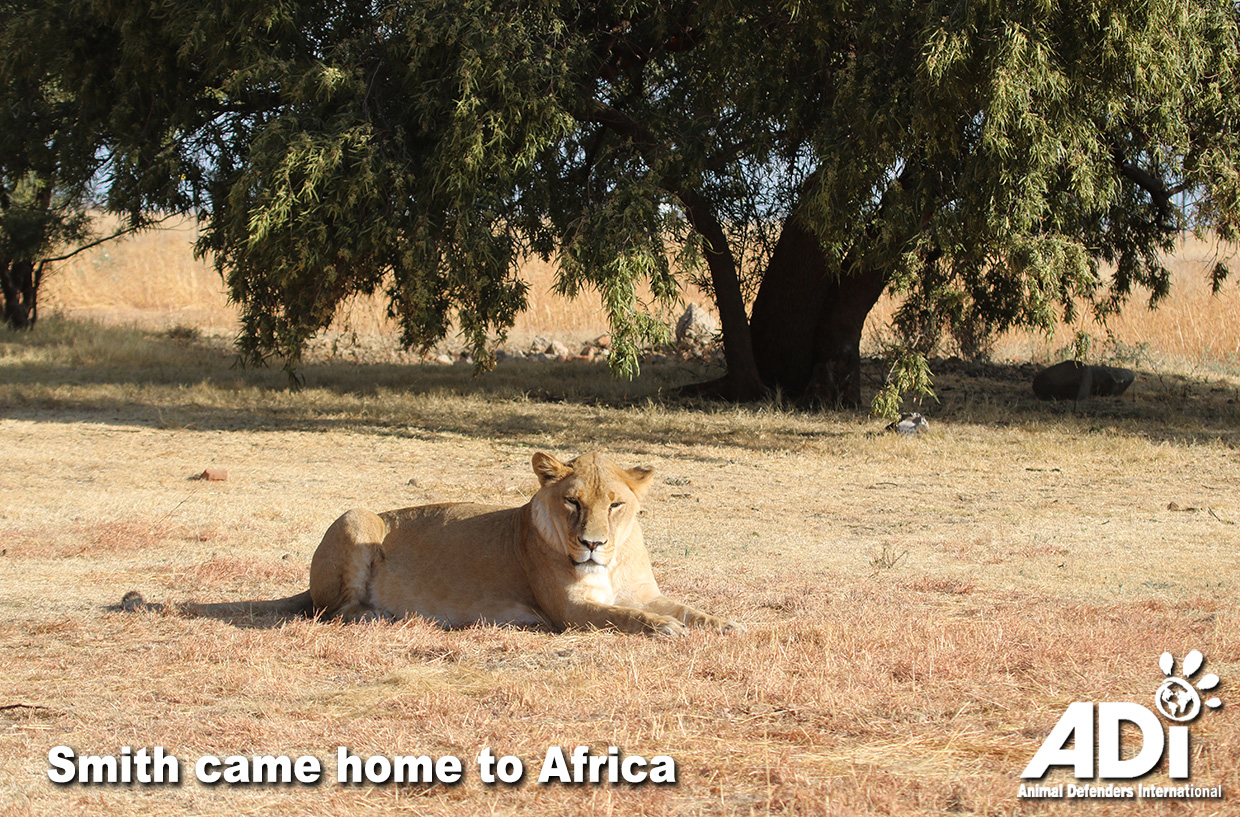
The circus was defiant and continued business as usual. The performance of Smith, a huge, castrated lion (hence no mane) involved an audience member being invited into the ring for Smith to jump over them – a stupid and irresponsible act. On August 15, 2014, a schoolteacher stepped into the ring. Smith looked down from a pedestal above her, then pounced, dragging her around the ring as the worker repeatedly beat him with a metal bar. The thick collar of her winter coat saved her.

A local TV station filmed the incident and it exploded worldwide. A petition was launched for Smith to be killed; we met with the Minister; did multiple media interviews arguing Smith be saved. By the weekend we were back in Cusco. On August 22, accompanied by armed police, we rescued Smith, Mahla, Scarc and Pepe. Kiara was reunited with her cubs. They are still together at ADIWS.
It was a turning point for the operation. There were no further blocks from removing animals, and over the coming months we would empty every cage.
Of the 100 plus animals, it was possible to return a handful to the wild. We built a large monkey complex at Pilpintuwasi near Iquitos and airlifted 50 monkeys, coatis, and kinkajous there. We took four bears, Mufasa mountain lion and various monkeys and birds over the Andes to ADI facilities at Taricaya near Puerto Maldonado. We continue to support both groups financially. We flew Hoover tiger to BCR in Florida, and airlifted 33 lions to South Africa.
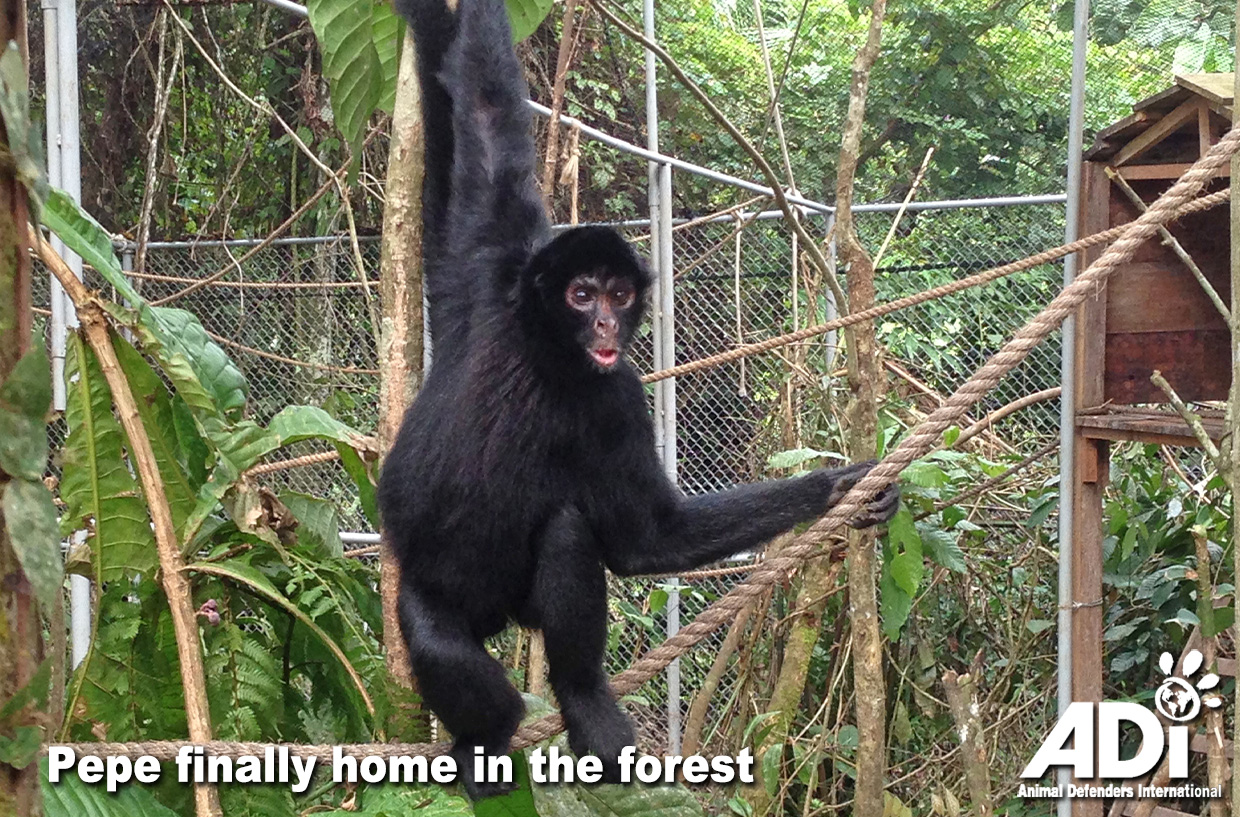
A couple of years later, a circus appeared in Lima with a spider monkey called Maruja. We rescued her within 24 hours and she was eventually returned to the wild with a family of monkeys.
Most of the animals rescued in Peru are still in our care. Some have passed away and several are elderly now. It was a huge mission, expensive, but ended circus suffering in two countries.

As we saw more recently in Guatemala, ADI is the only organization undertaking this type of large-scale countrywide rescue as we fight for circus bans. The reason we set up the ADI Wildlife Sanctuary is because enforcement of laws which end abuse is vital for permanent change.
We cannot do this work without your support. Will you help ensure it continues? One of the most important things you can do to ensure the long-term future of ADI’s work to get laws to protect animals and end animal suffering and the ADI Wildlife Sanctuary is to include us in your Will. You can find out more here.

Please also consider a donation today to help care for the many incredible circus survivors still in our care at the ADI Wildlife Sanctuary, ten years on from Operation Spirit of Freedom – including Kiara, Mahla and Scarc from Cusco, or elderly gents Simba and Rey from Ayacucho, or bears Sabina and Dominga, or Pepe and his family of spider monkeys
Donate UK, Euros, Rand | Donate US$, CA$
PS: The story of these circus raids is told in Animal Planet’s Dodo Heroes Series One “Jan and Tim’s Greatest Show on Earth” available on Amazon Prime. A really uplifting watch.
 Jan Creamer