Veterinary care on the frontline

For World Veterinary Day tomorrow (27 April) we pay tribute to our veterinarians, whether at the ADI Wildlife Sanctuary (ADIWS) in South Africa, or active on our large-scale circus rescues in the field at the Temporary Rescue Units, or in sanctuaries we support, or providing help during natural disasters, we salute the ADI veterinary teams around the world – Inés Nole and Eva Chomba from Peru, Dr Gustavo Gonzales from Guatemala, Camilo Uribe, Colombia, Dr Howard Rosner, US and Dr Peter Caldwell and Prof. Gerhard Steenkamp in South Africa, including all their teams and students.
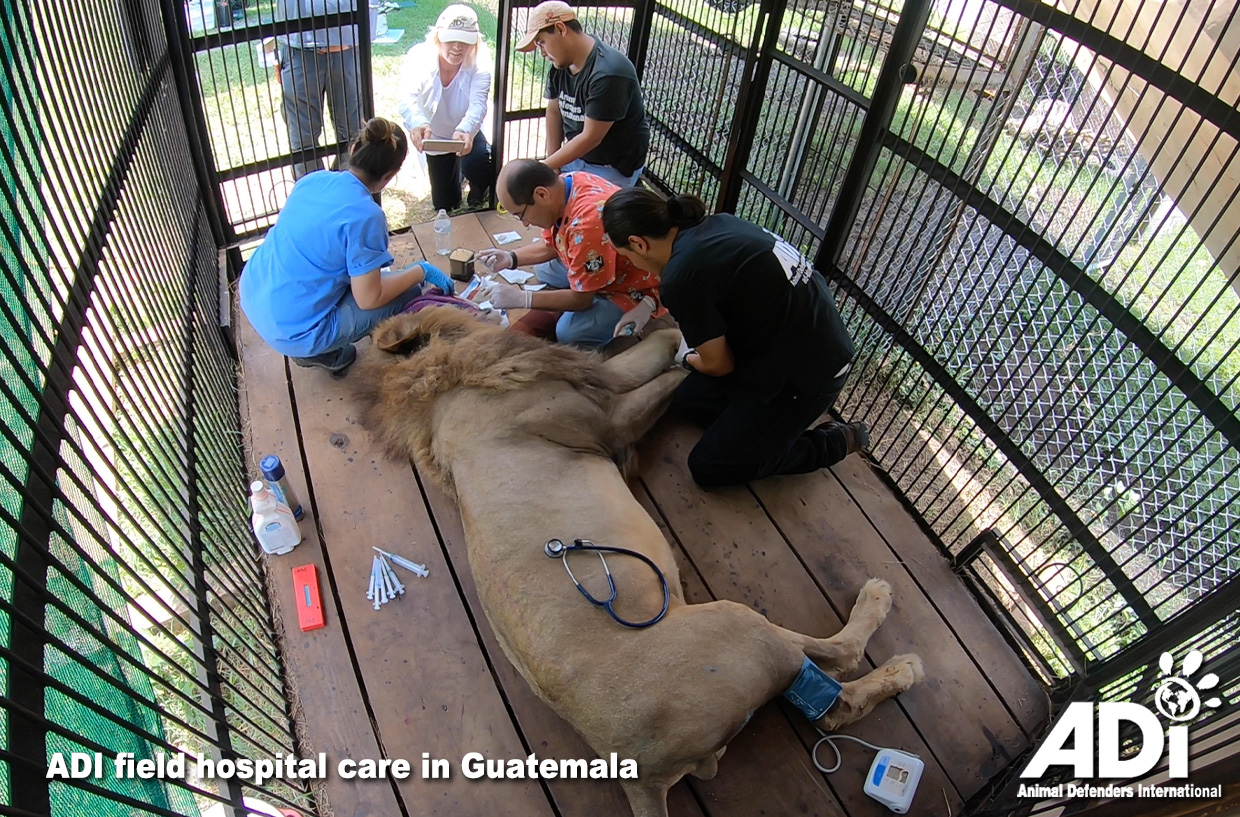
Many of the animals we save have endured a lifetime of deprivation, malnutrition, and confinement in small, unnatural spaces, often living in constant fear. Tiger sisters Luna and Jade, rescued from a circus in Guatemala, both have a malformed skull and spine connection which impacts the spinal nerve, causing them to walk with a ‘goose step’ gait, for which we provide essential vitamin supplements and medications to reduce the damage. Our beloved Ruben’s body was ravaged by a lifetime of malnutrition from poor food, severe confinement and lack of exercise to develop his body, causing damage to his spine and degenerative neuropathy which ultimately claimed his life.

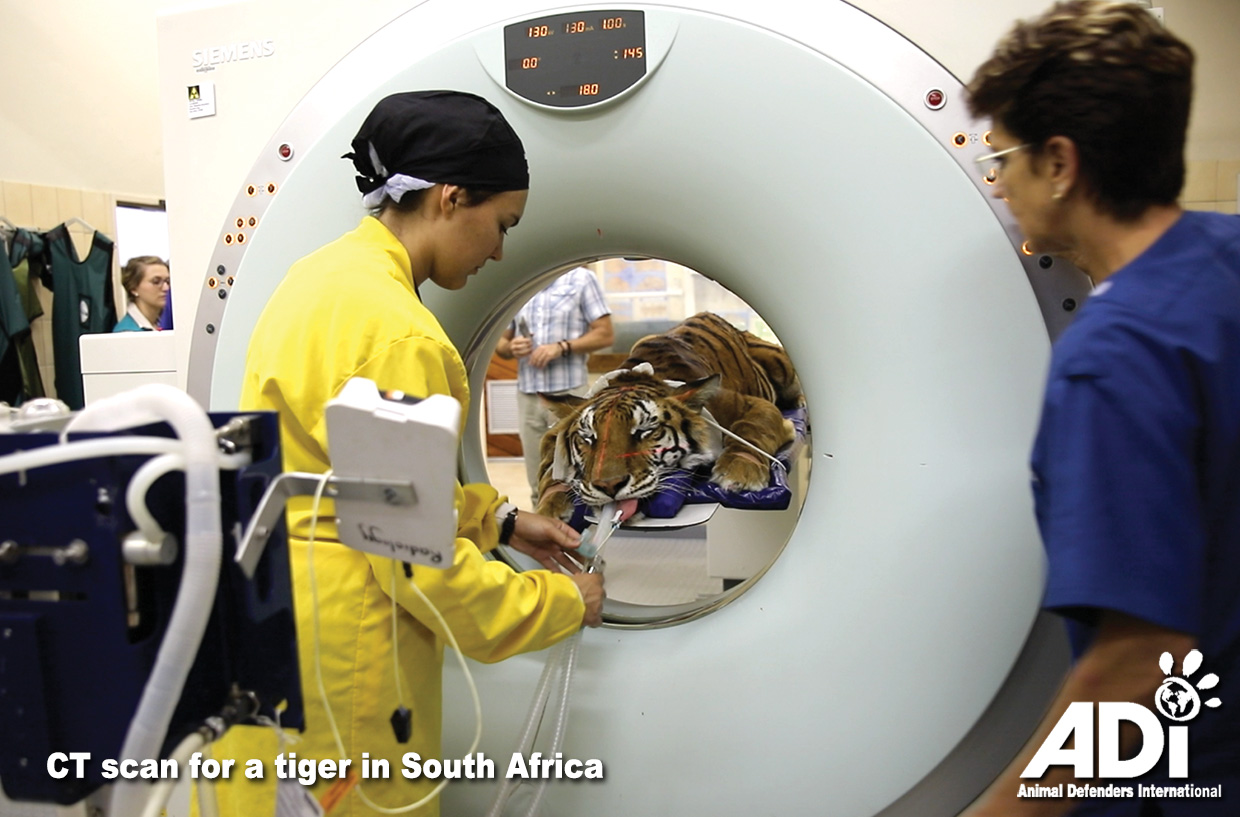
Early life malnutrition also leads to eye problems. Several of our lions have been rescued with cataracts, blindness, or sometimes with an eye already removed; eventually, advanced cataracts cause pain and inflammation with removal of the eye being the only option – this included Ricardo, Joseph, Amazonas, Kiara Cusco, Leo, and Smith.
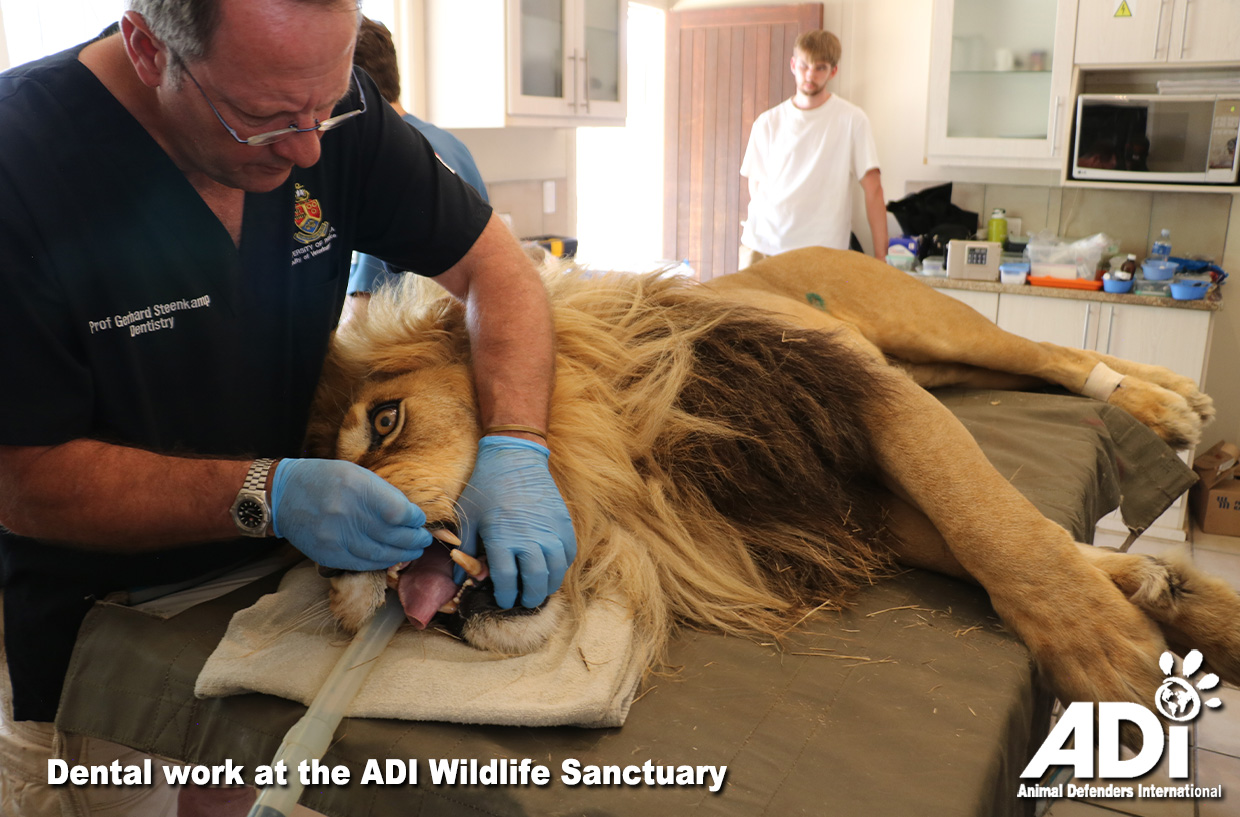
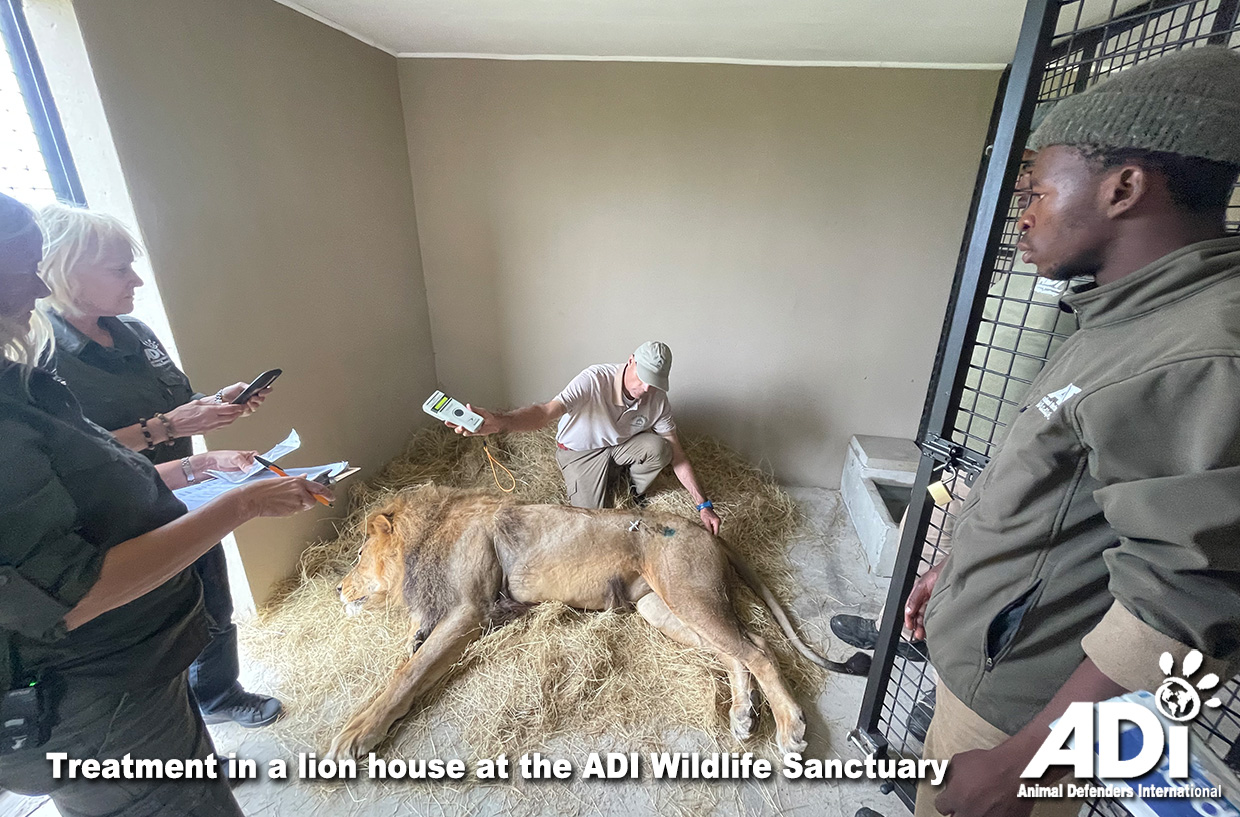
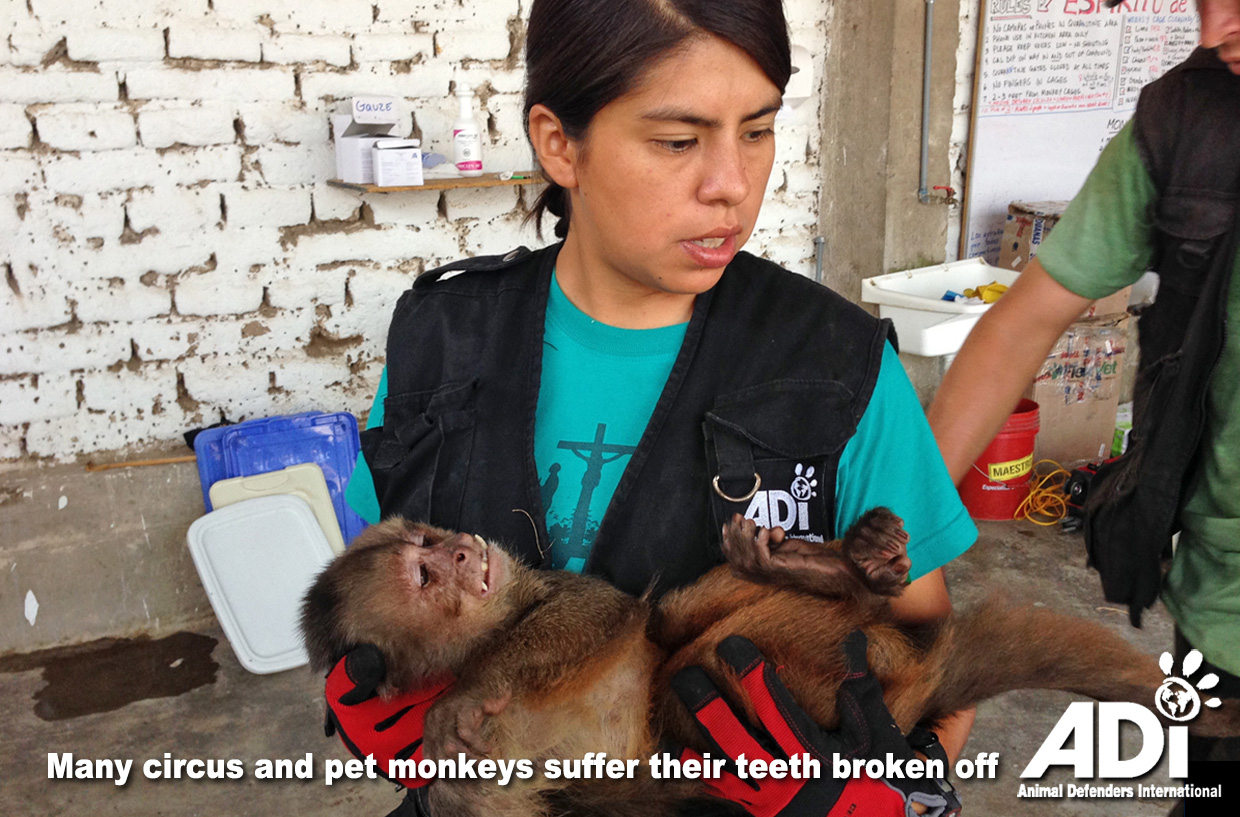
Lions and tigers invariably arrive with severe dental problems and gum disease due to their teeth being smashed when hit in the face by iron bars. Monkeys commonly arrive with teeth broken off to prevent them biting the ‘brave’ trainer who forces them to do tricks. This leaves them with infected stumps and gum disease which can infect the jaw. One of our regular tasks once we have rescued our circus and wildlife trade survivors, is dentistry sessions for root canals and extractions.
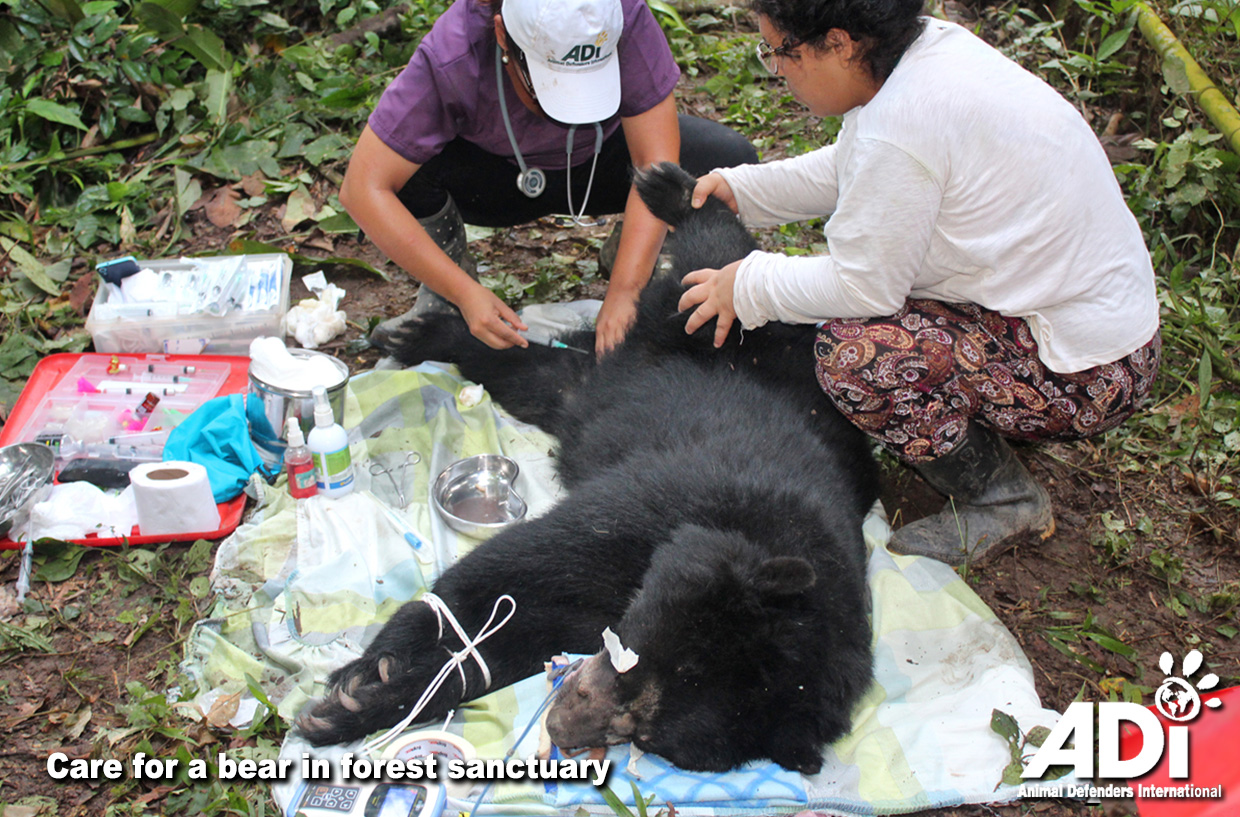
Circus workers pretend bravery when entering the ring with a lion, tiger, or bear, but what the audience does not know, is that circuses have brutally cut off the animals’ toes to permanently remove their claws – depriving them of their main defence against abuse. The pictures of our late bear, Cholita, show her missing digits cut off both front paws by the circus in Peru. They also broke off her teeth.
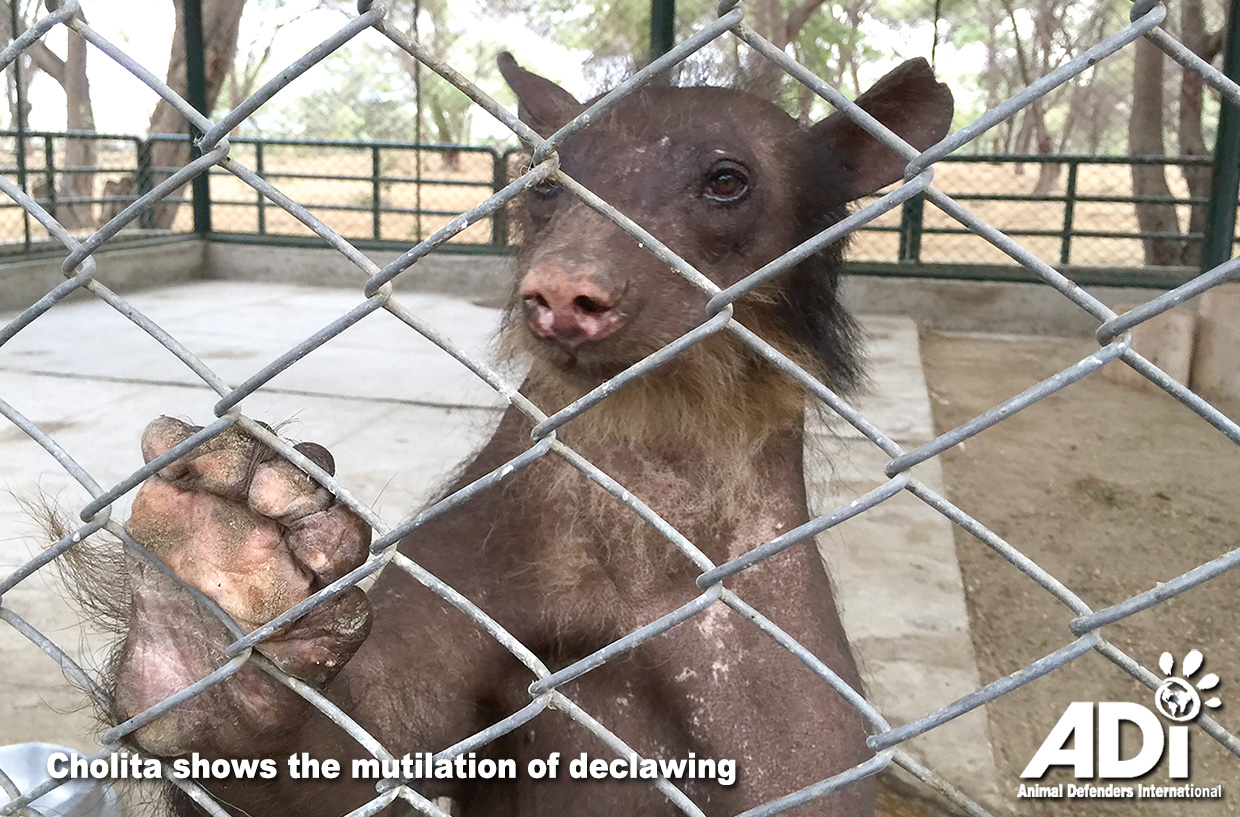
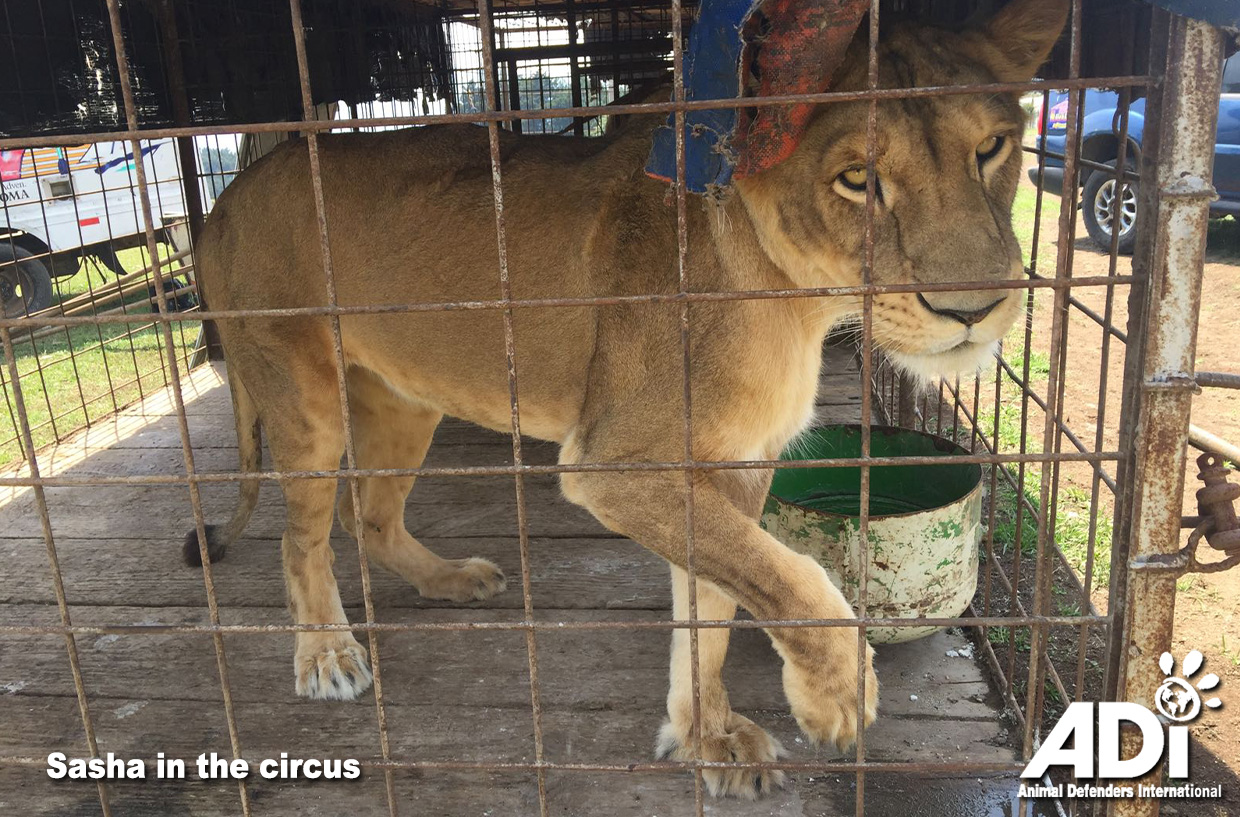
Cutting off an animal’s toes has the same effect as cutting off a person’s fingers – they lose the ability to manipulate things, scratch, play, and hunt. The damage to the feet of the big cats can be seen over time as the foot collapses, causing painful feet. Sasha lioness, who we rescued from a circus in Guatemala had suffered a toe being crushed rather than cut off during a declawing operation when she was just a cub. The pain and damage caused a limp which lasted all her life and the infection eventually led to cancer which travelled up her leg.  ADIWS veterinarian Peter Caldwell performed ground-breaking surgery when Sasha got to South Africa, replacing the diseased bone with a titanium implant. Sasha will always limp, because the tendons in her leg were not stretched as she grew due to the injury. Now, following her surgery, she is gradually putting her foot on the ground, helping to improve her movement. And of course, she is no longer in pain.
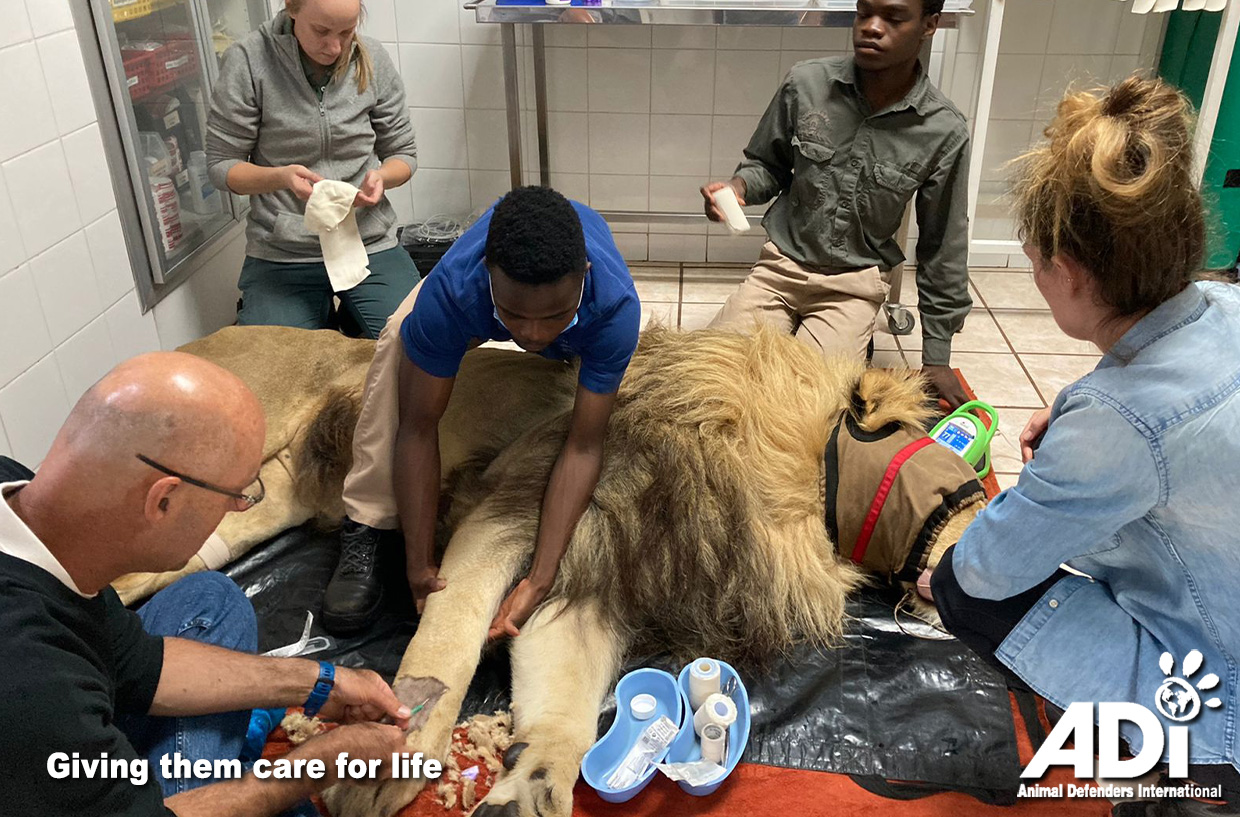
As well as providing a place of loving kindness, with natural habitats, routine enrichment, and neighbours of their own kind, the ADIWS provides the care our residents need for life, however long that may be.

Recently, before Ruben passed away, we were in the process of building a gantry on his house so that a hoist could be used to give him physiotherapy, and an inner enclosure for giving medications. The house already had a non-slip heated floor, and the feeding camp and main habitat were designed around his physical needs with slopes and lower platforms. We will complete this work, so we have a special needs habitat ready at any time. Despite the heartbreak of losing Ruben after 7 precious months we will not turn away from animals with health challenges in future. Our intensive care habitat will honour Ruben.

We have seen how we can transform the life experience of our rescued residents, as they become themselves again, so we will always work to provide for their physical and mental needs.

In due course, we hope to convert part of our large barn into the J. Jarie Jensen Veterinary Center and have veterinary facilities right on the Sanctuary. This and other infrastructure plans had been paused due to the drop in income we suffer as a result of the pandemic and ongoing economic problems.
To help us give our rescued lions and tigers the best life possible, despite the health obstacles they face, please donate UK £ / US $.

Ruben’s lust for life inspired us all

It is with huge sadness that I bring you news of the passing of our beloved and inspirational Ruben. I realize some of you may have already seen our announcements on social media – dear Ruben had many friends around the world.

As our vet Dr. Peter Caldwell advised, fifteen years of captivity and malnutrition left Ruben’s body compromised by spondylitis and degenerative neuropathy; the bones in his spine were disintegrating, damaging his spinal nerve. It was down to his character and determination that Ruben seized his time in Africa with both paws, enjoying a lifetime of experiences in just seven months (the equivalent of four years for a human).

When Tim and I first saw Ruben in Armenia in January 2023, he was in terrible condition. His coat was matted, he was angry and suspicious, and he could barely move without stumbling and falling over. In August, we returned to Armenia to bring him to the ADI Wildlife Sanctuary (ADIWS) and saw he had deteriorated. At 15 years old, Ruben was already a senior lion and Peter warned at the time that, with all of his health issues, Ruben was “living on borrowed time”. He prescribed medication to make Ruben comfortable and help him move around, and we hoped to give him his best chance of as happy a life as possible.

Ruben appeared to want to prove us all wrong and launched into his new life at ADIWS with enthusiasm.

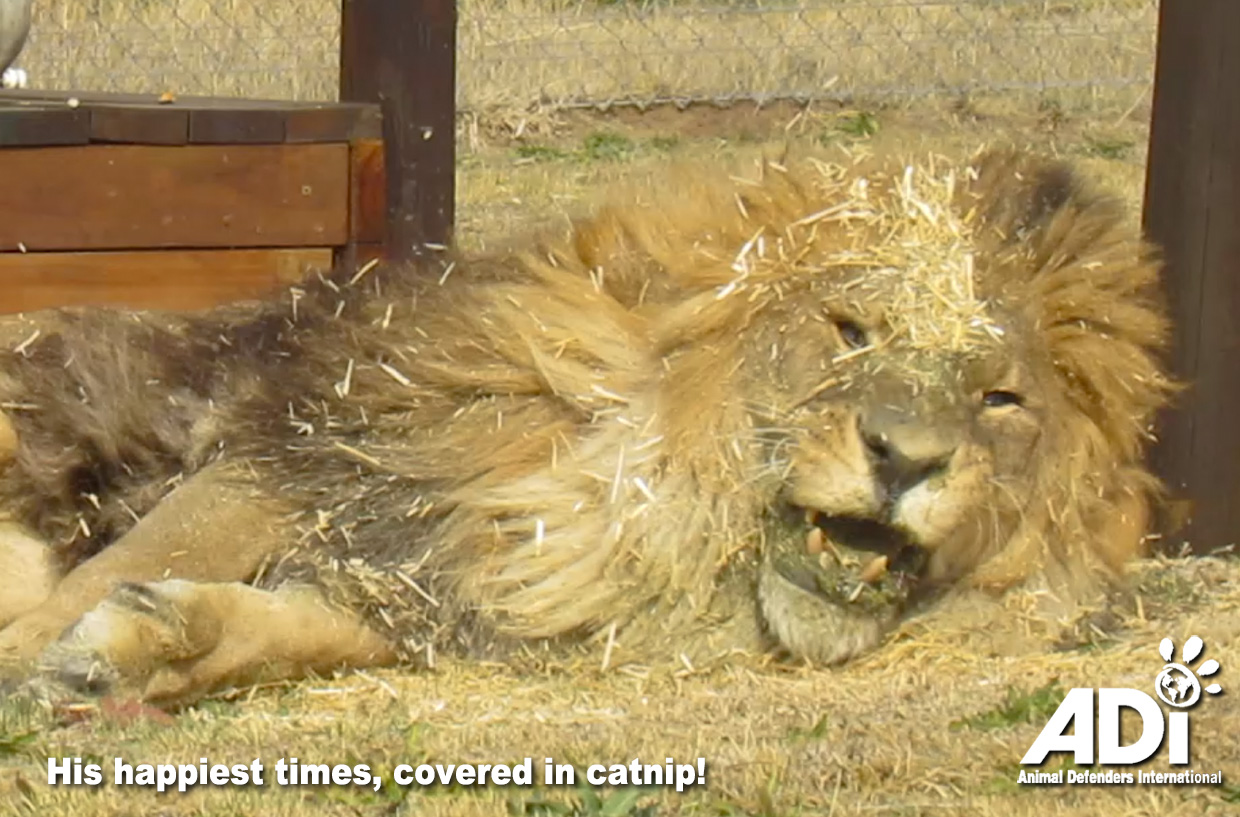
On arrival, we wondered if Ruben might just step from his travel crate and collapse. Instead, he stepped out, wobbled, stumbled, steadied himself, and drove himself on to grab his first toy (a catnip punchbag), and played until it exploded all over him. Nobody will ever forget Ruben’s happy face, with his mane covered in catnip.

Ruben’s entire countenance changed; his face was no longer furrowed and stressed but relaxed and happy. Above all else, a steely determination to grab hold of his new life emerged. He pushed himself to walk further and further each day. We came to believe Ruben could achieve anything.

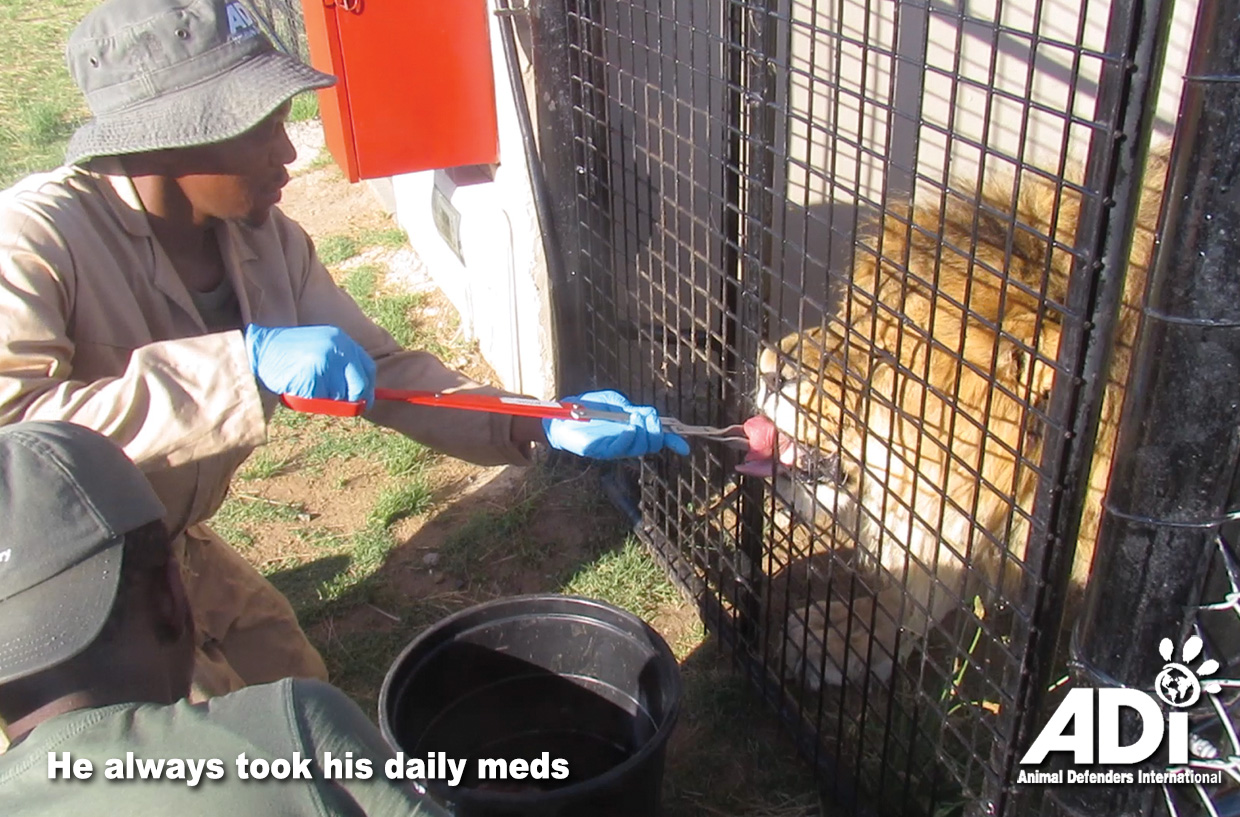
His friendly response to his carers was immediate; coming to take his medications from tongs and responding to the voices he recognized. A lion who we had thought might be difficult to build trust with, was trusting from the start – he seemed to know he was loved and respected.

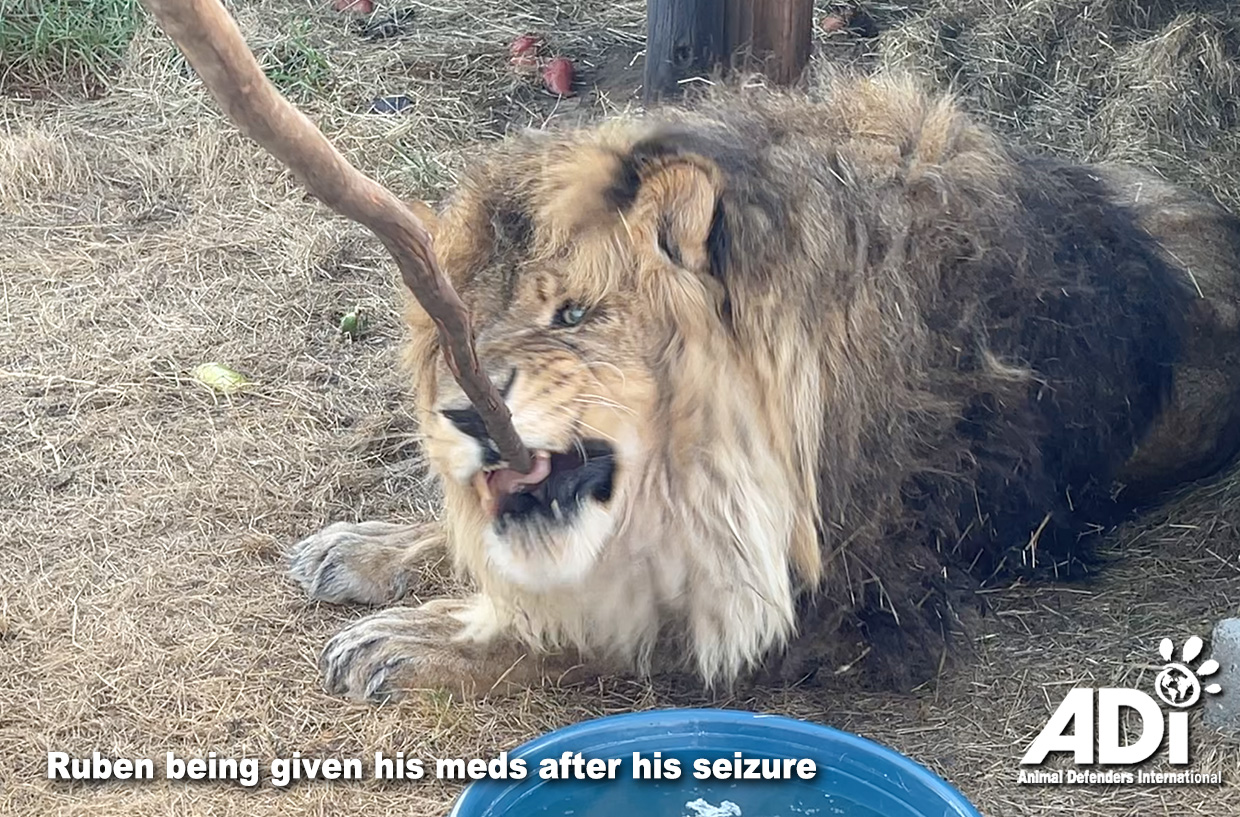
Even after his recent seizure and the setback to his mobility, he retained an enthusiastic disposition. He was intrigued and engaged with everything around him, looked up eagerly when he heard his carers calling or approaching, and took his food and medication from a hand-held stick. It was only on two days we felt he seemed dispirited. This past Tuesday, when he barely lifted his head when Johannes called, we were worried he was in real trouble.

Ruben loved to play with his toys. His catnip bags, boxes, and of course his teddies. They were also part of his physiotherapy and were good for boosting his endorphins. He not only played with watermelons, like the other cats, but actually ate them! He relished his treats.

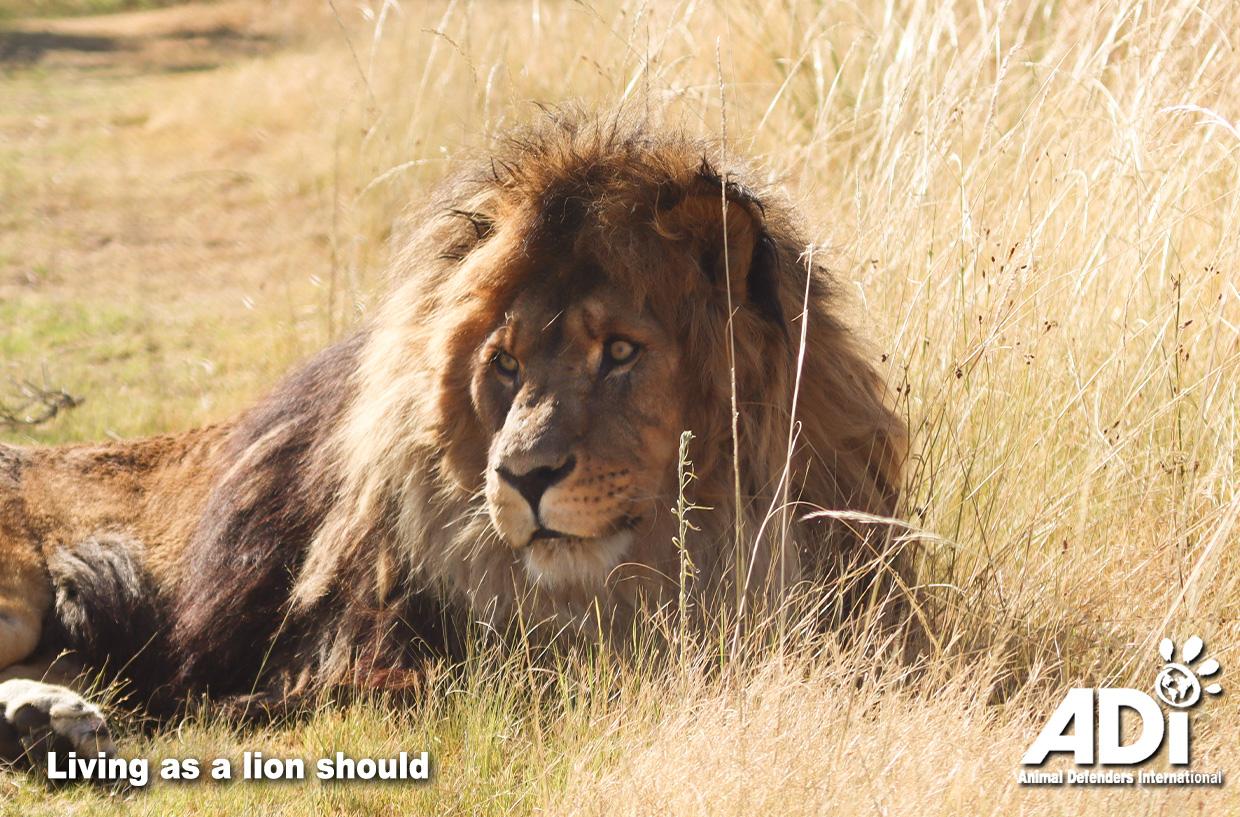
For seven months, he lived a wonderful life – a lion in the land of his forefathers and living with his own kind after years of loneliness. He found his roar again.

Ruben had the African sun on his back and grass beneath his feet. I will never forget the night he decided he would not sleep in the house but lay outside, watching the sun set and spending the night under the African stars.

Ruben went from six years of loneliness and silence in Armenia, when his family was removed from the private zoo after the owner died, to seeing lioness Easy on his first night in South Africa. Then, in his new home, watching Simba, Rey, and Kesari next door, as well as tigers Max and Stripes.

He heard the roars of other lions and by October, he was roaring back.

As Ruben’s movement improved, he went into his larger habitat where eventually, he climbed the slope up to the top of the viewing platform and proudly stood looking towards Simba, Rey, Kesari, Chino, and Coco next door – then roared in chorus with his noisy fellow residents.

All this time he was defying the odds; his spine and neuropathways were degenerating. Peter explained the discs in his spine were breaking down and putting pressure on his spinal nerve, causing poor balance and inability to control his back legs. The medications helped alleviate some symptoms but could not roll back a lifetime of damage.

This is what the confinement, deprivation, and malnutrition in captivity does to these magnificent animals. Our beautiful young tigers Luna and Jade were rescued at 18 months old but had already developed a stiff goose-stepping walk due to malformed bones at the base of the skull and top of the spine, damaging the nerves. We rescued Sun, Moon, Max, and Stripes from a circus at just 6 months old, which proved to be early enough to stop the same damage. Ruben lived with this for over a decade.

At ADIWS, Ruben kept going and enjoying his life with sheer will and determination. It is not often we meet a lion who has been through so much but has such a lust for life that he defied all odds and lived as a lion again for seven remarkable months. Ruben was an inspiration to us all.

I am so proud of how everyone pulled together for this magnificent warrior.

Ruben’s final chapter happened in his last two weeks. With a long lens camera, we saw Ruben was having a seizure. Within an hour, we had Peter’s advice and had driven into Ruben’s habitat in darkness to give him medication to prevent further seizures and to make him feel more comfortable. Then he was watched through the night. It was testament to the trust he had in his carers, that we were able to feed and give him medications every day as we tried to get him back on his feet. Cameras were installed to monitor him, and Peter watched videos of him every day, adapting his medication, and giving advice. We adapted graspers and extended them on a pole to clean out his den.

We discussed with Peter whether Ruben should go to the hospital, but Peter stressed the best place to get Ruben on his feet was at the Sanctuary, where he had grass underfoot for good grip, the motivation of familiar people around him, and the incentive to get on his feet. In a hospital unit, he would be less motivated. We all watched as he continued to have his medication, had a good appetite, and was hand-fed from the stick. Although he could not walk, he managed to move out into the sunshine in the mornings, returning to the shade of the den in the afternoons.

We remained optimistic and turned to the task of trying to get Ruben on his feet again and provide physiotherapy. The entire ADIWS team worked over the weekend to adapt his house and habitat for physiotherapy sessions. A gantry was built on the roof with runners to carry a hoist to lift him, and Peter’s team was designing a harness. We created a smaller fenced area for giving meds and he would have his house with a heated floor. The plan was for Peter to sedate him on Tuesday, and we would move him to the new house.

Peter examined Ruben and it was not to be. The inevitable was taking over and Ruben had no chance of getting on his feet. To get a more detailed diagnosis, Peter had arranged for an MRI at the veterinary academy in Pretoria University. We took Ruben to Pretoria in the hope for another miracle. A stream of experts came to look at the MRI images and discussed their thoughts with Peter. It was not good; the damage was severe and relentlessly progressing. The seizure had just been another step, and Ruben would not walk again. Then Ruben chose his time – his heart failed, and he passed away without waking up, which we felt was a mercy.

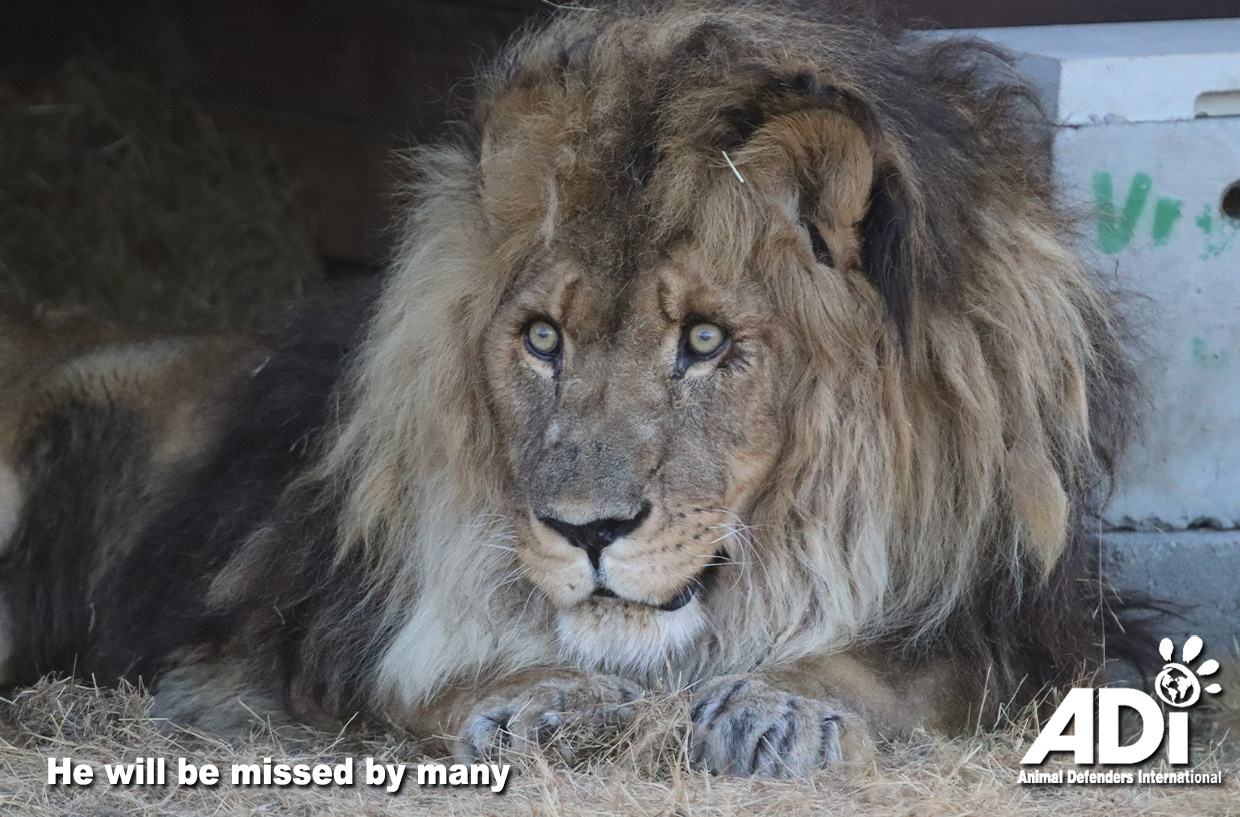
There is a huge sense of loss at ADI and the outpouring of grief among supporters on social media has been very touching. In our local town, people are stopping ADIWS team members to offer their condolences. Ruben’s dignity and strength has touched the world.

His time with us was not enough, but we would do it all again to see him enjoy even just a week of the life he enjoyed in Africa. Farewell, Ruben, you lit up our lives.

I am sorry to bring such sad news but remember, you brought absolute joy and dignity to this inspirational lion. If you would like to give in memoriam donations, you can do so here.

A selection of canvas prints of Ruben are available from our US and UK online stores.